EU Sees No Russian Peace Signal as Pressure on Moscow Stays in Focus
Kaja Kallas said Russia had not demonstrated readiness for Ukraine peace talks, reinforcing expectations of continued economic pressure.
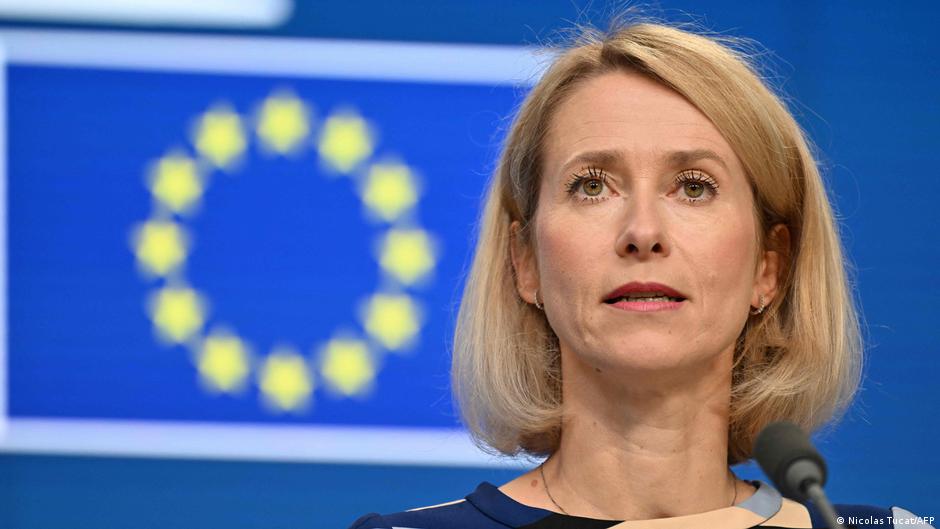
Russia gave no indication that it was prepared to enter meaningful peace negotiations over Ukraine during a meeting of Group of 20 foreign ministers in Atlanta, according to Kaja Kallas, the European Union’s high representative for foreign affairs and security policy.
Kallas said on Friday, Oct. 30, that Russian Foreign Minister Sergei Lavrov had failed to demonstrate Moscow’s willingness to pursue a negotiated settlement at the gathering in the United States. Her assessment points to continued geopolitical uncertainty and keeps the prospect of additional pressure on Russia on the international policy agenda.
Asked by an AFP journalist whether Lavrov had signaled a readiness to make concessions to end the war, Kallas said he had not. She argued that the conduct of the Russian authorities remained more significant than their public statements.
“Even if they claimed otherwise in words, their actions say something else,” Kallas said.
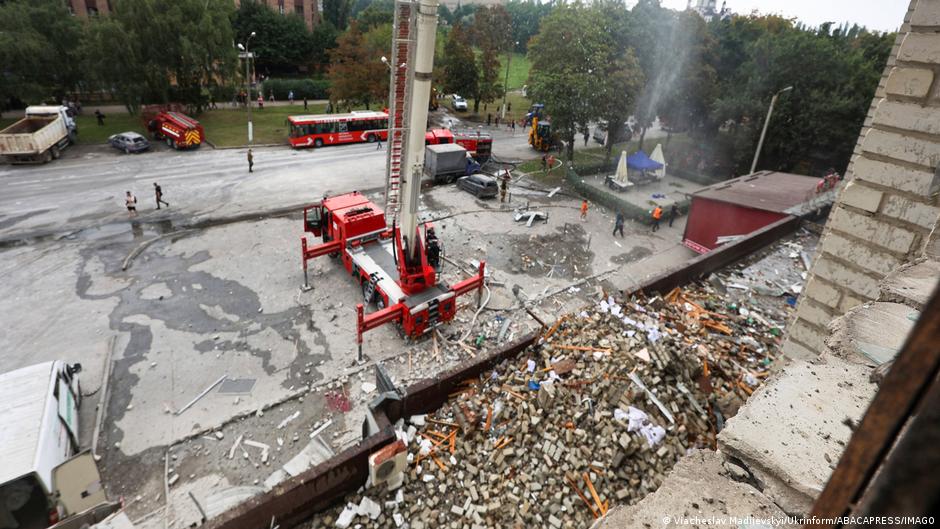
Russia must prove through its actions that it is ready to negotiate, she added. Kallas said July, August and September had been the deadliest months for Ukrainian civilians, citing the recent human cost of the conflict as evidence that Moscow’s behavior did not support claims of diplomatic readiness.
Pressure on Moscow Remains a Policy Variable
For investors and corporate finance teams, the absence of a diplomatic breakthrough means that geopolitical risk linked to the war is unlikely to recede on the basis of the Atlanta meeting. The conflict and the international response to it remain relevant to sanctions compliance, cross-border payments, supply-chain planning and corporate disclosures concerning exposure to Russia and Ukraine.
Kallas called for greater pressure on Moscow. She did not specify new financial measures or provide details of possible sanctions at the meeting, but her remarks indicate that easing existing pressure was not the message emerging from the European Union’s senior foreign-policy representative.
That distinction matters for financial reporting. Companies assessing geopolitical exposure generally need to distinguish between diplomatic contacts and a substantive change in policy. The presence of Russian and European officials at the same G20 event did not, according to Kallas, amount to evidence of progress toward a settlement or normalization of relations.
Kallas also sharply criticized Lavrov’s presentation at the meeting, accusing him of making false and distorted claims that European representatives were subsequently able to rebut.
“Of course, he voiced many lies, many distorted facts, which we were subsequently able to refute,” she said.
Her comments underscored the continuing divide between Russia and the European Union over both the conduct of the war and the factual basis used to describe it. That divide leaves businesses and investors dependent on formal government decisions, regulatory notices and verified operational data rather than diplomatic rhetoric when evaluating risk.
European Officials Reject Signs of Normalization
German Foreign Minister Johann Wadephul had earlier said that European participants in the G20 foreign ministers’ meeting declined to join a group photograph with Lavrov because of the continuing war in Ukraine.
“There are no normal relations with Russia,” Wadephul said. He acknowledged that contact with Russian representatives remained necessary to discuss disagreements, but stressed that such engagement should not create the impression that relations were returning to their customary format.
The refusal to take part in a joint photograph was symbolic rather than a financial measure. Nevertheless, it reinforced the political message that diplomatic contact at the G20 should not be interpreted as normalization. From an investor-relations perspective, the episode provides no basis for assuming a near-term reduction in the regulatory, reputational or operational risks associated with Russia-related business.
The Atlanta meeting therefore left the central financial and policy outlook unchanged: European officials continue to regard the war as active, relations with Moscow as abnormal and further pressure as necessary. No concessions, negotiating framework or timetable for peace talks were announced in the statements described by Kallas and Wadephul.
For companies preparing quarterly results, annual reports or forward-looking risk statements, the comments reinforce the need to treat the conflict as an ongoing source of uncertainty. Any reassessment of provisions, asset valuations, sanctions exposure or business-continuity assumptions would still require concrete developments rather than signals inferred from the existence of diplomatic meetings.