Italy Protests Put Cost Pressures and Military Spending in Focus
A nationwide strike and demonstrations across more than 60 cities highlighted household pressure from rents, fuel prices and fiscal priorities.
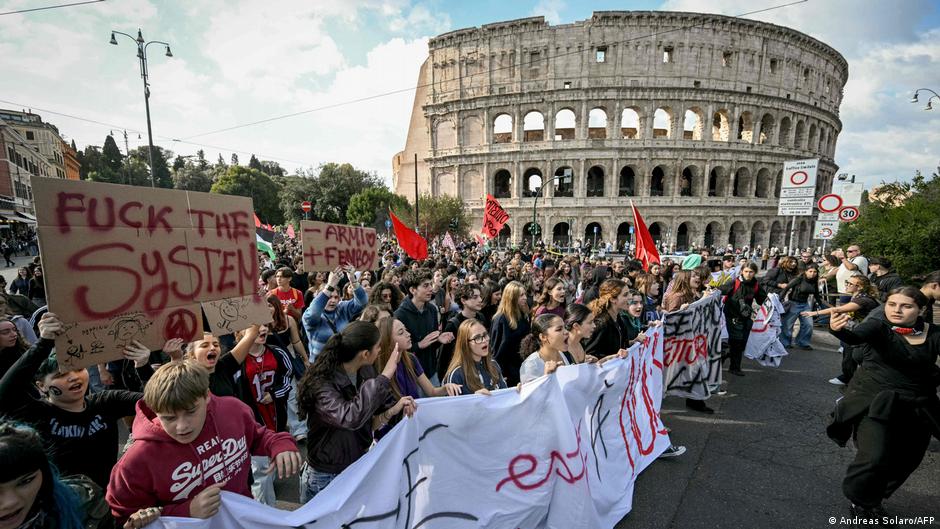
Hundreds of thousands of people took to the streets across Italy on October 30 to protest against the rising cost of living and increased military expenditure, placing household affordability and government spending priorities at the center of a nationwide confrontation.
The demonstrations were held in more than 60 Italian cities, according to national news agency ANSA, alongside a 24-hour general strike called by the Unione Sindacale di Base, or USB. The union, which organized the protests, estimated participation at between 1 million and 1.5 million people. Italy’s Interior Ministry reported a substantially lower figure of 255,000.
The wide difference between the estimates complicates any assessment of the disruption’s scale. Both figures, however, indicate significant public mobilization over the effect of higher living costs on household finances and opposition to allocating more public resources to defense.
Housing and fuel costs drive household concerns
Demonstrators specifically expressed anger about more expensive apartment rents and rising fuel prices. Those costs have a direct effect on disposable income, especially for households whose earnings are not keeping pace with essential expenses.
The protests also linked those affordability concerns to the debate over military budgets. One of the slogans used by demonstrators summarized that tension:
“We need more housing, not more bombs.”
For investors and businesses assessing Italy, the protests underline the social and political pressures surrounding fiscal decisions. Higher defense expenditure competes for budget capacity with housing, education and other domestic priorities, while persistent increases in essential costs can weaken consumer purchasing power. The source material did not provide figures for inflation, wages, government expenditure or the economic impact of the strike.
The 24-hour stoppage added a labor-relations dimension to the demonstrations. While no financial estimate of disruption was reported, general strikes can affect transport, public services and commercial activity. The nationwide action therefore offered a visible measure of dissatisfaction even without a quantified effect on output or corporate earnings.
Most demonstrations peaceful despite clashes
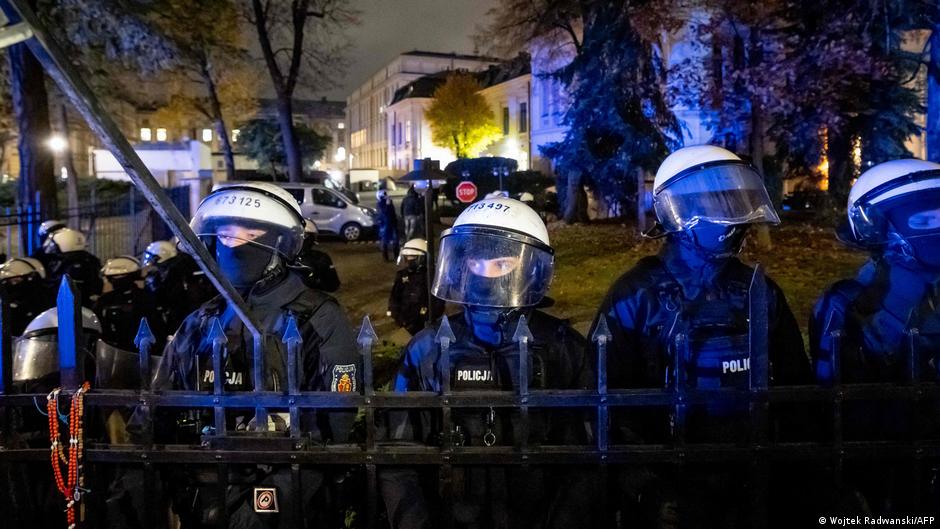
According to ANSA, the protests remained largely peaceful in every participating city except Rome and Turin. In those two cities, some protesters began setting fire to rubbish bins and throwing objects at police officers toward the evening. Law enforcement responded with tear gas and water cannons.
Interior Minister Matteo Piantedosi defended the authorities’ handling of the unrest in a post on the social media platform X. He said the measures taken had been balanced and effective, allowing the authorities to protect citizens’ right to demonstrate peacefully despite attempts by some individuals to provoke disorder and violence.
The localized clashes introduce an additional political risk around future demonstrations, although the broader Italian mobilization was predominantly peaceful. No figures were provided for arrests, injuries, property damage or the cost of the police response.
Cost-of-living protests spread across Europe
Italy’s October 30 demonstrations formed part of a wider wave of protests that had reached other European countries in recent weeks. France experienced demonstrations in several cities that escalated into vandalism and confrontations with police. Belgium also saw protests.
Similar demonstrations were scheduled for October 31 in more than 30 German cities. The Gen-Z regelt movement, whose name translates as “Generation Z Decides,” called for the action. Tens of thousands of participants, predominantly young people, were expected to attend.
German demonstrators were set to protest against the rising cost of living and the potential return of military conscription while calling for greater expenditure on education. Experts expected the German events to proceed mainly without disorder.
Taken together, the demonstrations reveal a recurring European dispute over how public finances should be distributed when households face pressure from essential expenses. Protesters are challenging higher military commitments while demanding greater support for housing and education, turning national budget choices into a broader question of social priorities.
For financial reporting, the central issue is not only the number of people on the streets but the budgetary tension their demands expose. Governments must balance defense commitments with domestic spending expectations, while companies face consumers whose finances are being squeezed by rent and fuel costs. The reported protests do not establish a measurable effect on Italy’s balance sheet, quarterly economic performance or listed-company earnings, but they highlight risks that investors may monitor: labor disruption, constrained consumer demand, fiscal trade-offs and the potential for continued political pressure over public expenditure.