Executive Pay Surges by 56% in Germany’s DAX 40 While Worker Wages Stagnate
Oxfam analysis reveals widening income gap with CEO salaries rising sharply and average employee wages lagging behind pre-pandemic levels in Germany.
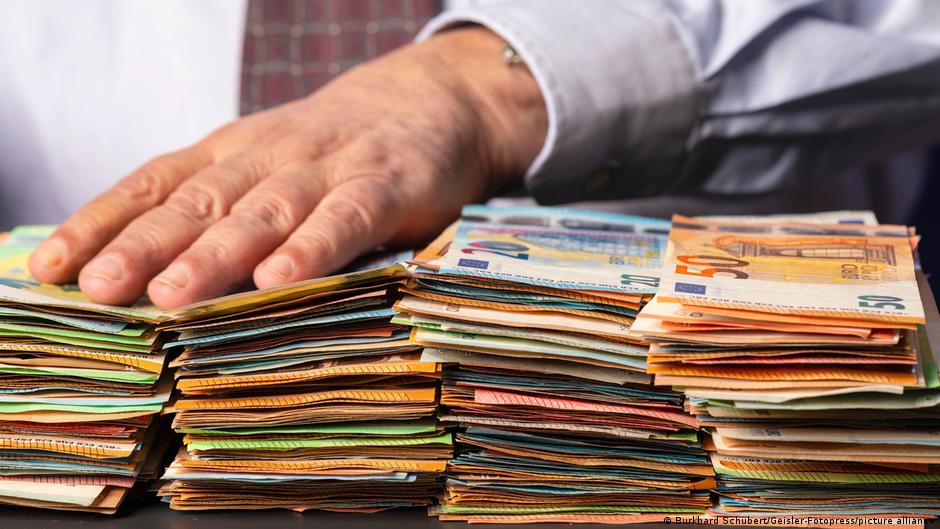
In Germany, the income disparity between top executives and average workers continues to widen significantly. According to a recent analysis by the charity federation Oxfam, the salaries of 25 CEOs of companies listed in Germany’s DAX 40 index have soared by 56% since 2019, while wages of ordinary employees remain slightly below pre-pandemic levels.
Sharp Rise in CEO Compensation Amid Stagnant Worker Pay
Globally, CEO pay adjusted for inflation has increased by 54% between 2019 and 2025, rising from an average of $5.5 million (4.7 million euros) to $8.4 million (7.1 million euros). By comparison, real wages for average employees have actually declined by 12% during the same period. To earn what a typical CEO makes in a year, an average employee would need to work for approximately 490 years.
Germany mirrors this global trend. The average compensation for the 25 CEOs in the DAX 40 climbed from 4.5 million euros in 2019 to nearly 7 million euros in 2025. Meanwhile, the real wages of the average employee have not yet recovered to their pre-pandemic purchasing power, remaining slightly below 2019 levels when adjusted for inflation.
“This growing inequality poses a threat to our democracy,” Oxfam warned, emphasizing the social and economic risks of the increasing divide.
While inflationary pressures persist in Germany, eroding the purchasing power of many households, CEO salaries are rising rapidly. This divergence underscores the economic challenges facing ordinary workers who struggle with rising costs for energy, housing, and food.
Implications for Tax Policy and Social Equity
The Oxfam report also highlighted that nearly 1,000 billionaires analyzed hold investment portfolios yielding a combined $79 billion (67 billion euros) in dividends in 2025. In many cases, these ultra-wealthy individuals pay lower tax rates than average company employees, further exacerbating income inequality.
To address these disparities, Oxfam recommends that the German government pursue higher taxation on the super-rich at both national and global levels. Additionally, the analysis supports implementing a minimum wage of at least €15 per hour to counteract growing social inequality.
The widening income gap and persistent wage stagnation come amid broader economic challenges for Germany. Recent forecasts by the Munich-based ifo Institute suggest that the ongoing conflict involving the US and Israel against Iran could reduce Germany’s economic growth by at least 0.2 percentage points. Rising energy prices, disrupted supply chains, and increasing global uncertainty are creating headwinds for the German economy.
These developments underline the urgency of policy interventions aimed at ensuring equitable economic recovery and social stability in the post-pandemic era.