Finland Urges EU Tourist Visa Ban on Russians as Policy Review Nears
Foreign Minister Elina Valtonen is pressing EU states to align visa restrictions on Russian citizens while the bloc weighs further measures against Moscow.
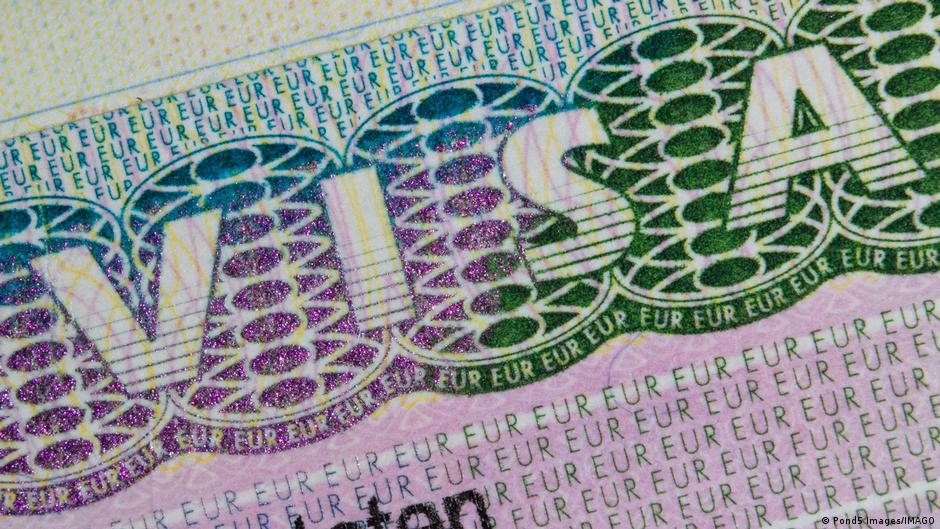
Finland’s foreign minister, Elina Valtonen, has called on European Union member states to stop issuing tourist visas to Russian citizens while Moscow continues its war against Ukraine, adding a new policy item to the bloc’s broader sanctions and restrictions agenda.
The proposal, announced by Valtonen on X on Monday, October 12, asks other EU countries to join Finland in appealing to the European Commission for a bloc-level approach. From a financial reporting perspective, the measure would not be a corporate earnings event, but it would add another layer to the regulatory environment affecting cross-border travel, consumer spending, payment flows and investor monitoring of EU-Russia exposure.
“It is wrong that Russians can travel to Europe to enjoy the lifestyle and freedoms here while their country bombs Ukrainian homes,” Valtonen said.
Valtonen said Finland banned the issuance of visas to Russians for non-essential travel in 2022 and argued that the same policy should now be applied across the EU. Her remarks frame the visa issue as part of the EU’s wider response to Russia’s aggression against Ukraine, rather than as a narrow border-management question.
Visa Policy Moves Back Onto EU Agenda
The Finnish minister also called for a ban on issuing Schengen visas to people in the close circle of Russian President Vladimir Putin. In addition, she urged restrictions on visas for Russian athletes and the effective application of the ban on visas for Russian participants in the war against Ukraine.
“EU countries must act together,” Valtonen emphasized, according to the source article. The appeal underscores a recurring policy challenge for the bloc: national governments can impose their own entry restrictions, but market participants often look for EU-wide consistency when assessing regulatory risk, compliance exposure and the practical effects on travel-related sectors.
The debate has also been linked to security concerns. In September, Kaja Kallas, the EU’s high representative for foreign affairs and security policy, said the EU needed to tighten restrictive measures against the Kremlin in response to what she described as Moscow’s “hybrid attacks,” including by reducing the number of tourist visas.
Estonia has separately supported a visa ban for former Russian participants in the war against Ukraine. That measure was later backed by other countries in the Baltic region and Northern Europe. The alignment of Finland, Estonia and other northern and Baltic states points to a regional push for tighter controls, which could influence the European Commission’s handling of future proposals.
Financial and Compliance Implications
The immediate impact of a tourist visa ban would be political and regulatory, but investors typically read such measures through several financial channels. Travel operators, airlines, luxury retail, hospitality groups and payment providers are among the sectors that monitor restrictions on Russian visitors, particularly when measures apply across the Schengen Area rather than only at individual national borders.
The Schengen framework matters because it covers 29 countries, and visas can often permit multiple entries. According to a June letter cited in the source article, a group of EU countries called jointly for an end to tourist visas for Russians. The letter said Russians were issued 470,000 visas in 2025 to visit the 29 Schengen countries. Many of those visas allowed multiple entry, AFP was cited as noting.
For companies, the practical relevance is less about one headline number than about compliance exposure. A broader EU ban would likely require stricter screening, clearer classification of essential versus non-essential travel, and closer monitoring of individuals linked to sanctioned or restricted categories. Businesses serving cross-border travelers would need to follow implementation details closely, especially if exemptions differ by purpose of travel, residency status or humanitarian need.
The proposal also intersects with investor relations and disclosure considerations for firms with material exposure to travel, payments or services involving Russian nationals. Public companies generally do not report visa-policy effects as standalone line items unless they are financially material. Still, management teams may need to address regulatory risk in earnings calls, risk-factor language or regional revenue commentary if EU restrictions tighten further.
Balance-sheet exposure is likely to vary widely. For most EU issuers, Russian tourist flows have already been affected by the war, sanctions, airspace restrictions and payment limitations. A harmonized EU tourist visa ban would therefore be more important as a signal of continued policy tightening than as an isolated shock. The measure could also reinforce investor assumptions that normalization of EU-Russia travel and consumer activity remains distant.
Council Discussion Scheduled
According to data published on the website of Austria’s parliament, discussion of EU visa policy toward Russia is scheduled in the Council of the European Union for October 14. That date gives the issue a near-term policy catalyst for governments, analysts and companies watching the sanctions landscape.
The outcome remains uncertain. Valtonen’s proposal calls for coordinated EU action, but visa policy has historically involved both national discretion and bloc-level rules. The central question is whether the EU can move from regional restrictions and political appeals to a common policy that applies across all relevant member states.
For financial audiences, the key point is that visa policy is again being positioned as part of the EU’s economic and political pressure campaign against Russia. While the measure is not a direct sanction on corporate assets or trade flows, it could add to the compliance burden and reinforce the long-running reduction in travel-linked economic activity between Russia and Europe.