Former Ukrainian Defense Minister Calls for Elections Despite Ongoing War
Mikhail Fedorov urges legal, safe mechanisms for elections amid conflict, emphasizing democracy must not be hostage to external forces.
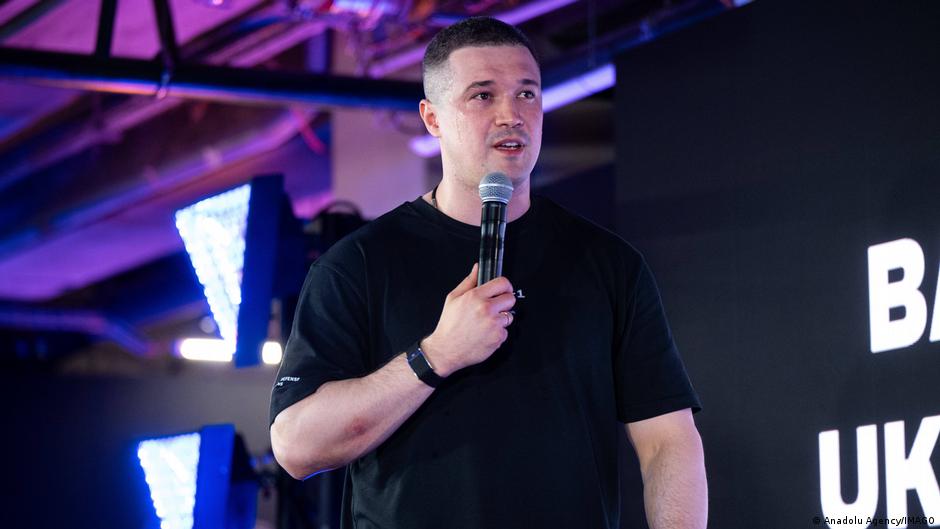
Former Ukrainian Defense Minister Mikhail Fedorov has publicly advocated for holding elections in Ukraine despite the ongoing war, stressing the importance of finding a legal and secure way to do so. He acknowledged the challenges but insisted that complexity does not mean impossibility.
Balancing Democracy and Security in Wartime
In a statement posted on his YouTube channel on August 18, Fedorov addressed the difficult circumstances surrounding democratic processes during conflict. "If the war continues for one, two, or even three years, can Russia effectively decide when Ukrainians can choose their government again? I am convinced it cannot. Democracy must not become a hostage of Russia," he declared.
Fedorov recognized that reestablishing full democratic operations would be difficult due to the need to enable voting for military personnel, Ukrainians abroad, and residents in frontline regions. He emphasized the crucial role of ensuring the independence of electoral institutions and public trust in election outcomes. "But complexity does not mean impossibility. Ukraine has repeatedly accomplished what the world deemed impossible," he added.
"Democracy must not become a hostage of Russia." — Mikhail Fedorov
Moreover, Fedorov expressed concern over the perception that appointments to government positions are increasingly based on personal loyalty rather than professional competence or performance in effecting change. He described this trend as "particularly dangerous" to the country's progress.
Fedorov stepped down from his role as defense minister on July 15 amid reported disagreements with the Commander-in-Chief of the Ukrainian Armed Forces, Alexander Syrsky. His resignation sparked protests in various Ukrainian cities opposing President Volodymyr Zelensky’s decision to replace him.
Protesters have praised Fedorov as one of the most effective defense ministers in recent years, associating him with reforms and modernization efforts within the Armed Forces of Ukraine. Some voiced frustrations with military management post-Fedorov, underscoring the political and institutional challenges facing Ukraine’s defense establishment during wartime.
From a financial perspective, these political developments could impact investor confidence and government spending priorities. Stability in leadership often correlates with robust budget management and clear strategic planning, particularly crucial during wartime when defense expenditures surge and external financial assistance is vital. The ongoing conflict and leadership changes also raise questions about the transparency and efficiency of defense budget allocations.
Given Ukraine’s reliance on international financial aid and defense support, the integrity of democratic processes and institutional independence remain key to maintaining investor trust and sustaining economic resilience amidst conflict.