French Protests Draw 320,000 as Policing Demands and Arrests Mount
A third consecutive Saturday of nationwide demonstrations mobilized 70,000 police officers amid concern over living costs and education.
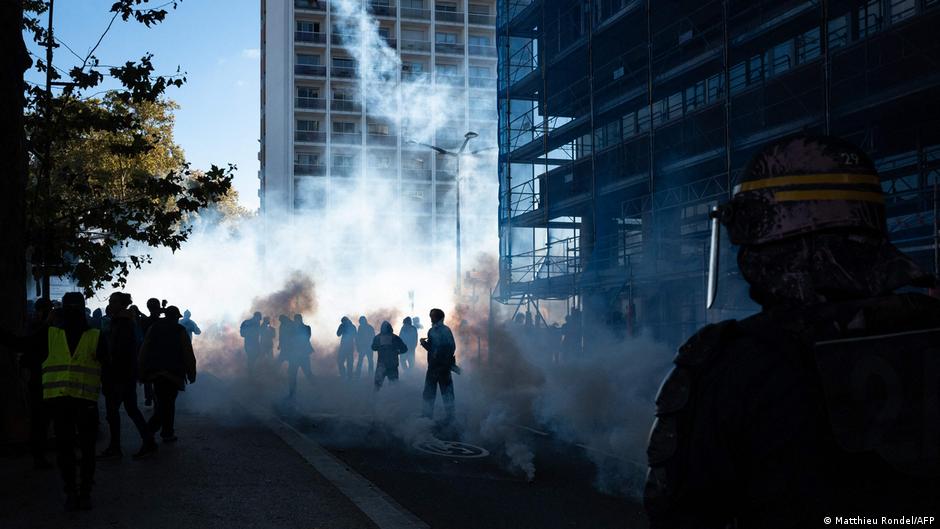
French authorities detained 565 people during a third consecutive Saturday of nationwide protests, as demonstrations over living costs, education and broader social pressures continued to create significant operational demands for the state.
The Interior Ministry estimated that 320,000 people participated across France, including 70,000 in Paris. Organizers placed nationwide turnout at nearly 500,000, highlighting a substantial gap between official and protest-group estimates that complicates assessments of the movement’s scale and persistence.
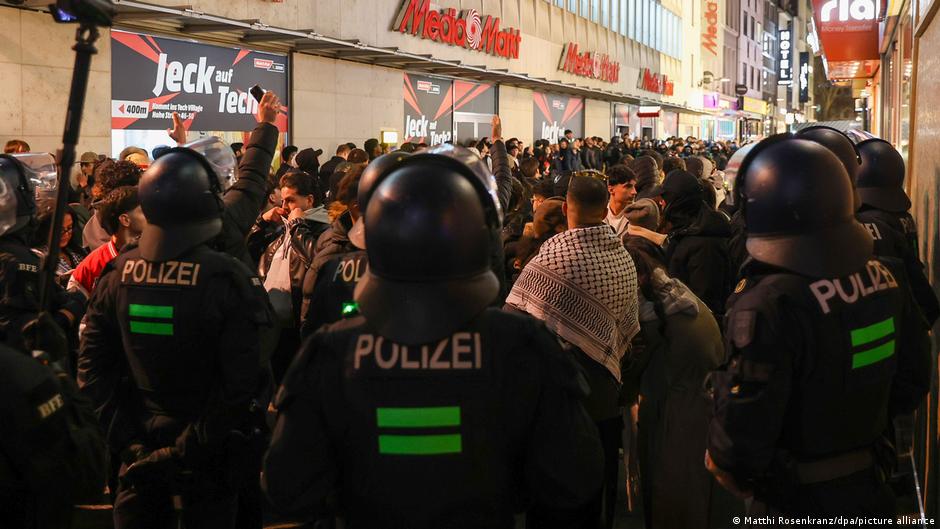
Interior Minister Laurent Nuñez said the demonstrations were largely peaceful but accused members of far-left groups of using “monstrous violence” against law enforcement officers. The authorities deployed 70,000 police officers nationwide to maintain security, a figure that underscores the extensive public resources required to manage the protests.
Turnout declines but fiscal pressures remain in focus
Official participation estimates indicate that turnout has fallen over the three successive Saturdays. Authorities counted 550,000 demonstrators on October 17 and 410,000 on October 24, compared with 320,000 on October 31. Even with that downward trend, the latest mobilization remained large and geographically broad.
Official estimates show turnout declining from 550,000 on October 17 to 320,000 on October 31, while organizers reported nearly 500,000 participants at the latest protests.
For investors and financial analysts monitoring France, the demonstrations center partly on issues closely connected to household finances and public expenditure. Participants have expressed dissatisfaction with the rising cost of living, while the movement’s original education-related demands concern teacher shortages, crowded classrooms, long school days, outdated buildings and a lack of modern equipment.
Those grievances point to pressure on both household purchasing power and government-funded services. The source provides no estimate of the protests’ direct economic cost, their effect on public finances or any disruption to corporate earnings. However, the nationwide police deployment and demands for improvements in education illustrate the competing claims on state resources that can become relevant to assessments of government spending priorities and fiscal planning.
Clashes reported in major French cities
Five police officers were injured during confrontations with several hundred protesters in Paris, according to the authorities. Three were wounded by Molotov cocktails, and one officer’s clothing caught fire, resulting in a burn to the leg. Protesters also threw paving stones and rocks at police in the capital, while officers responded with tear gas and batons.
In Toulouse, law enforcement used water cannons and tear gas against participants in an unauthorized demonstration. An unauthorized march involving about 10,000 people also took place in Marseille before developing into clashes with police. Confrontations were reported in Lyon as well, where tear gas was used against rioters, according to France24.
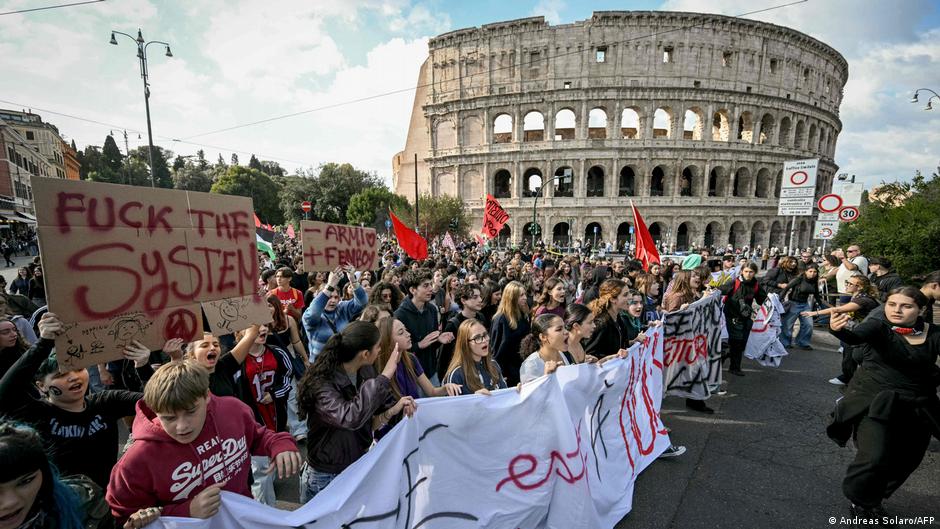
The protests began in late September with demonstrations by school pupils and university students. Initial complaints included shortages of teachers, excessive class sizes, long school days, aging school buildings, insufficient modern equipment and anxiety about future prospects, including difficulties gaining admission to universities.
The movement subsequently attracted people dissatisfied with other social problems and increasingly produced episodes of disorder. Reported incidents have included burning rubbish containers and cars, violent clashes with police, vandalism and looting.
Wider European unrest adds to the risk backdrop
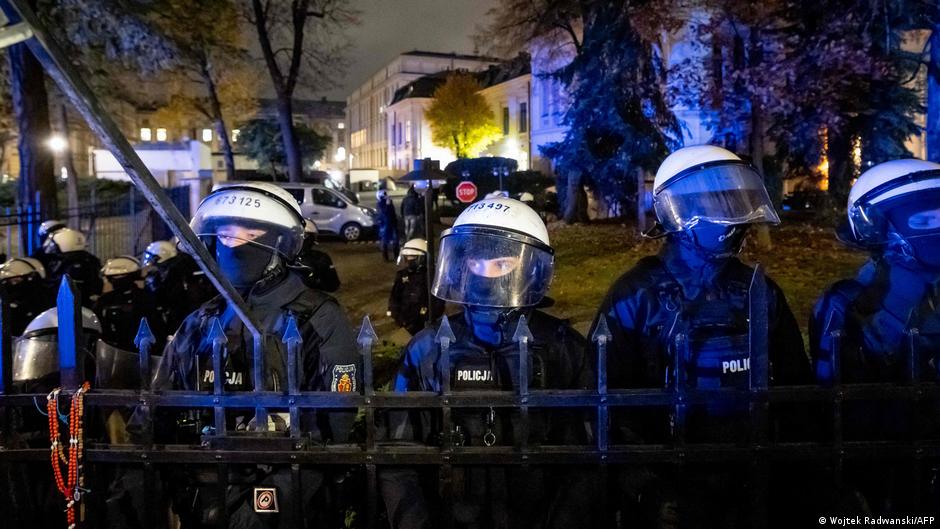
The French demonstrations also inspired young people to organize protests in other European countries, including Italy, Germany and Belgium. Demonstrations in major German cities on October 31 ended in disorder.
From a financial-reporting perspective, the available figures offer evidence of declining participation but not yet of an end to the movement. The reduction from 550,000 official participants on October 17 to 410,000 on October 24 and 320,000 on October 31 may suggest weakening momentum. At the same time, the deployment of 70,000 police officers and the spread of clashes across several major cities show that the operational burden remains considerable.
Companies, investors and public-sector analysts will therefore be watching whether the decline in turnout continues, whether unrest affects commercial activity and whether the government responds to complaints about living costs or education with policy measures. No corporate losses, budget revisions or new spending commitments were reported in connection with the latest demonstrations.