German Youth Protests Turn Violent, Raising Fiscal and Business Risks
Unrest across more than 30 German cities highlights pressure over living costs, social spending and public-service funding.
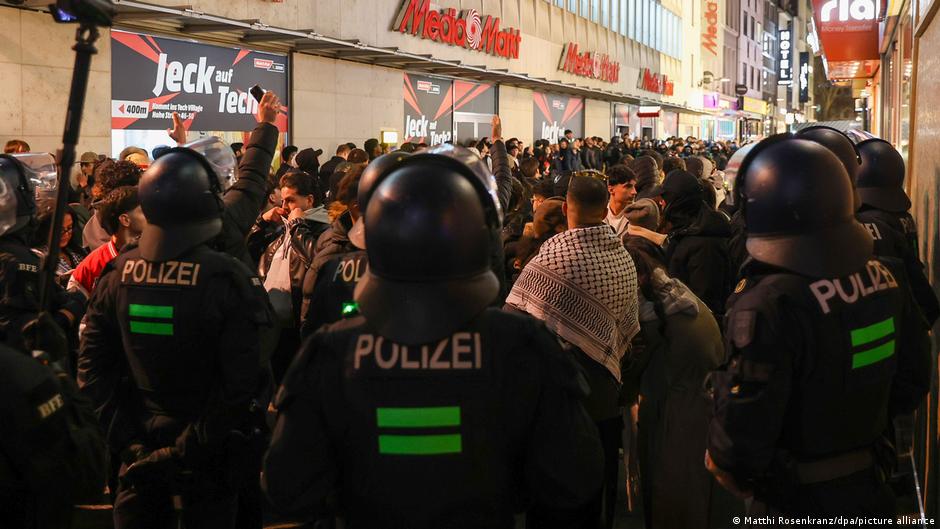
Youth demonstrations across Germany descended into disorder on Saturday, October 31, creating fresh operational risks for retailers and adding political pressure over government spending priorities, the cost of living and public services.
The protests were organized by the Gen-Z regelt movement, whose name translates as “Generation Z Decides.” Organizers said more than 100,000 people participated in events across over 30 German cities. Demonstrators called for improvements in education, measures to address rising living costs, stronger climate protection and easier access to psychotherapy and addiction treatment. Organizers also opposed compulsory military service and reductions in social expenditure.
Those demands place public finances at the center of the movement. Education, healthcare access, climate policy and social programs all carry budget implications, while opposition to military conscription comes as European governments face competing defense and welfare commitments. The protests did not include quantified fiscal proposals, but their scale indicates mounting pressure on policymakers to explain how such priorities would be funded and balanced.
Retail Damage and Policing Costs Emerge in Frankfurt
In Frankfurt am Main, an initially peaceful demonstration involving between 8,000 and 9,000 people deteriorated into looting and attacks on police. Some participants smashed shop windows and threw Molotov cocktails at officers. An aggressive group entered a gun store as well as a Snipes clothing and sneaker outlet. Authorities confiscated two weapons from those who attacked the gun shop.
Hesse Interior Minister Roman Poseck said approximately 100 violence-prone left-wing extremists embedded themselves among the demonstrators and were responsible for the unrest. Police checked the identification documents of roughly the same number of people, while more than 30 were detained.
Law enforcement brought the disorder under control closer to nightfall using water cannons, armored police vehicles, a helicopter and drones. Authorities also closed part of Frankfurt’s city center, potentially disrupting evening commerce and transport in one of Germany’s most important financial centers.
“Those who behave like the perpetrators in central Frankfurt place themselves outside our society,” Hesse Premier Boris Rhein said.
Rhein said the authorities would carefully analyze the aggressors’ actions, the composition of the groups involved and the course of events before drawing conclusions. No financial estimate was provided for property damage, lost retail activity or the expanded police deployment.
Arrests in Berlin and Restrictions in Cologne
In Berlin, one of two major demonstrations turned violent. The affected rally drew about 3,500 people, mainly members of far-left groups. Some participants threw firecrackers and bottles toward police and launched fireworks. Police also reported property damage and violations of weapons legislation.
Authorities detained 56 people, while 27 police officers sustained minor injuries. The incident adds to the immediate public-sector burden associated with emergency staffing, investigations and security operations, although officials did not disclose related costs.
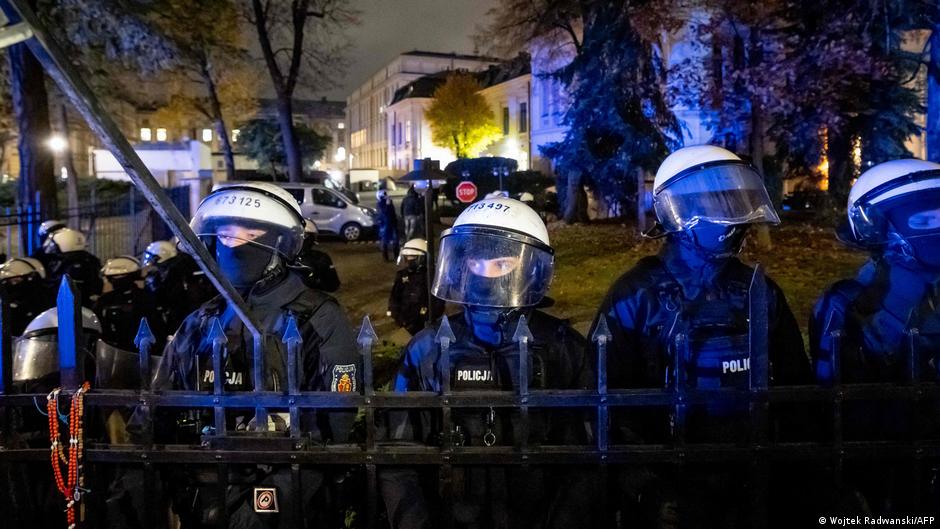
In Cologne, police prohibited protesters from holding a march and allowed only a stationary demonstration. The decision followed legal violations involving face coverings and the use of pyrotechnics, some of which were thrown at officers. Police deployed water cannons at the end of the event.
Disorder was also reported in Hamburg, where some demonstrators erected and set fire to barricades and threw bottles and stones at police. Protests ended in similar fashion in Stuttgart and Bremen.
European Protests Reflect Cost and Spending Pressures
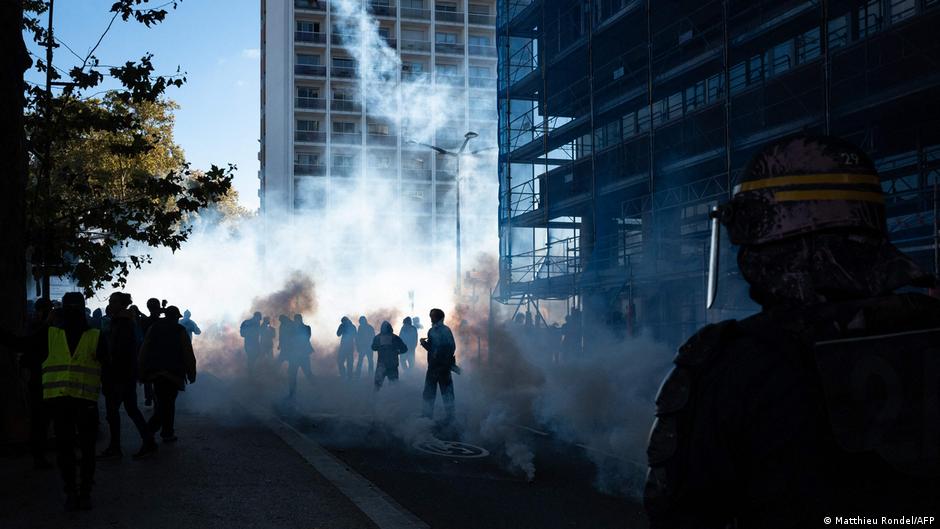
The German demonstrations formed part of a broader wave of youth protests that has spread across Europe in recent weeks. In France, demonstrations in several cities also developed into riots and clashes with police, while Belgium has experienced related protests.
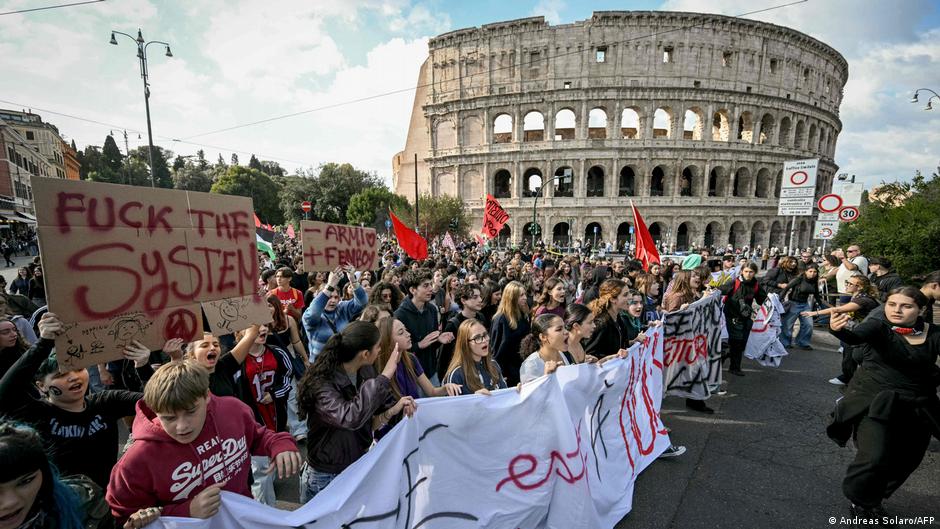
Italy has faced particularly serious disruption. Organizers said more than one million people joined protests there on October 30. Following severe rioting in Milan, Italian authorities ordered the deployment of 500 military personnel to help maintain order.
For investors and corporate finance teams, the immediate effects include localized damage to commercial property, interrupted retail trading and possible increases in security requirements. The wider issue is the political contest over household affordability and government balance-sheet priorities. Calls for greater spending on education, mental health, addiction treatment and climate protection are emerging alongside resistance to social-spending cuts and military-service proposals.
No official estimates were reported for the total economic damage, insurance exposure or fiscal cost of the German unrest. Still, the involvement of more than 30 cities and the use of extensive police resources suggest that authorities and businesses will need to assess both direct losses and the potential for recurring disruption if the underlying cost-of-living and public-service concerns remain unresolved.