G7 Countries Announce New Sanctions on Russian Energy and Increased Military Aid to Ukraine
G7 leaders pledge enhanced sanctions on Russian oil and gas alongside increased delivery of long-range weapons to Ukraine.
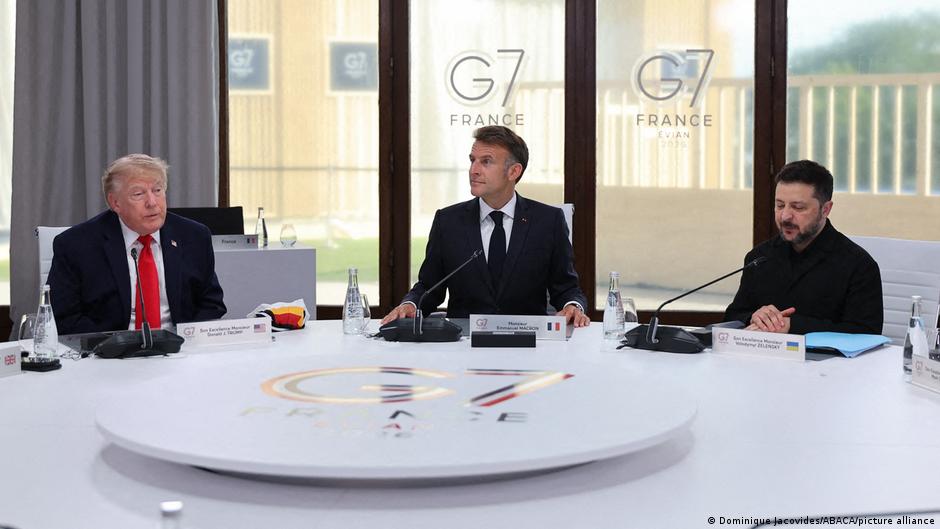
The Group of Seven (G7) countries have committed to implementing new sanctions targeting Russia's oil and gas sectors following their summit in Évian-les-Bains, France. In a joint statement released on the night of June 17, the G7 leaders emphasized their intent to intensify pressure on Russia's military economy amid ongoing conflict.
Sanctions and Military Support Intensified
The leaders declared, "We commit to strengthening pressure on Russia's military economy. In this context, we will enhance our sanctions, including measures against the oil and gas sector." The statement underlined that the timing is apt for these new sanctions, particularly following U.S. efforts to secure an agreement with Iran to reopen the Strait of Hormuz, a critical route for oil and gas shipments.
"We are united in unwavering support for Ukraine as it defends its freedom, sovereignty, and territorial integrity," the G7 declaration noted.
G7 members expressed solidarity with Ukraine, acknowledging the resilience demonstrated by the Ukrainian people amid attacks on critical infrastructure and cultural sites. The statement highlighted recent battlefield successes and a "new dynamic" emerging in Ukraine’s defense efforts.
To reinforce this momentum, the G7 agreed to boost deliveries of air defense systems, interceptors, long-range weapons, and other military equipment to Ukraine. They also pledged to consider granting licenses to increase domestic production of military goods within Ukraine.
Beyond military aid, the G7 committed to continuing their support in the energy sector to assist Ukraine in weathering the upcoming winter season, underscoring the broader economic and humanitarian dimensions of their assistance.
Implications for Energy Markets and Investor Relations
The planned sanctions on Russian oil and gas are expected to exert further strain on global energy markets, potentially impacting supply chains and prices. For investors and stakeholders in energy-related sectors, these developments signal heightened geopolitical risk and regulatory uncertainty. Companies engaged in oil and gas trade with Russia may face intensified scrutiny and operational challenges.
Moreover, the expansion of military aid to Ukraine reflects increased defense expenditure by G7 countries and signals sustained geopolitical instability in Eastern Europe. Investors in defense industries may anticipate shifts in procurement and production patterns aligned with these commitments.
Overall, the G7's policy direction underscores a coordinated approach combining economic sanctions and military support aimed at curbing Russian aggression, with consequential impacts on financial markets, international trade, and corporate risk assessments.