Germany Insists EU-Turkey Gas Deals Exclude Russian Supplies Amid Energy Shift
German Economy Minister Reiche emphasizes EU's stance against Russian gas in future contracts with Turkey during Ankara visit.
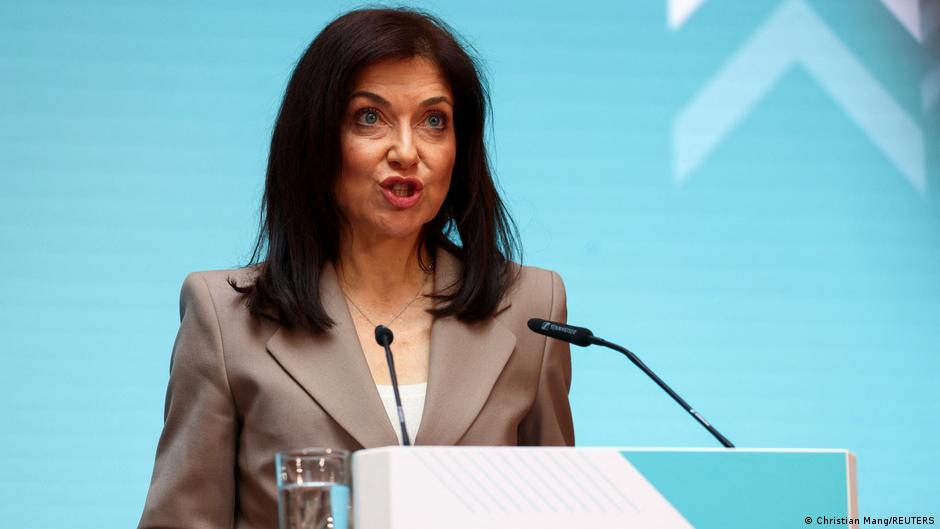
During her two-day visit to Ankara, German Economy Minister Katherina Reiche underscored the European Union's firm position that future gas supply agreements involving Turkey should exclude Russian-sourced gas. This development reflects Brussels' broader strategy to reduce dependence on Russian energy amid evolving geopolitical tensions.
Strengthening EU-Turkey Energy Relations Without Russian Gas
Minister Reiche, accompanied by a German business delegation, reiterated that the EU will insist on gas supplies not originating from Russia in any forthcoming contracts with Turkey. This stance aligns with the bloc's objective to diversify energy sources and mitigate risks associated with Russian energy imports following ongoing conflicts involving Russia and Ukraine, as well as broader geopolitical instability in the Middle East.
Meeting with Turkish Energy Minister Alparslan Bayraktar, Reiche highlighted Turkey's role as a pivotal trade partner for the EU, ranking as the fifth-largest trading partner with largely balanced trade relations. She emphasized Turkey's potential as a regional gas hub, a strategic position Ankara is actively seeking to solidify amid the shifting energy landscape.
"We need Turkey as a reliable trading partner to achieve common political goals," said Reiche, referencing current conflicts and the EU's determined move away from Russian raw materials.
Currently, Turkey is the second-largest purchaser of Russian gas but is negotiating new supply agreements with Moscow as existing contracts approach expiration. However, Turkish officials acknowledge that an immediate replacement of Russian gas is neither economically feasible nor supported by available infrastructure and resources.
In response to EU and Western sanctions targeting Russian energy sectors, Turkish refineries have increased crude oil procurement from alternative suppliers such as Iraq and Kazakhstan. This strategic pivot reflects Turkey's efforts to diversify energy inputs while navigating complex geopolitical considerations.
The German delegation’s visit and statements indicate a concerted push by the EU to align Turkey’s energy procurement practices with broader European energy security and sustainability goals. Investors and market analysts will be closely monitoring how these diplomatic engagements influence Turkey’s energy contracts and the regional gas market dynamics.