Germany Plans Anti-Sabotage Shield With New Costs for Critical Infrastructure
Berlin’s proposed response to alleged Russian drone and cyber sabotage could shift security obligations onto airports, utilities and defense contractors.

Germany’s Interior Ministry is preparing a comprehensive protective shield against further alleged Russian sabotage, including cyberattacks, in a move that could carry material implications for operators of critical infrastructure, transport hubs, utilities and defense-sector companies.
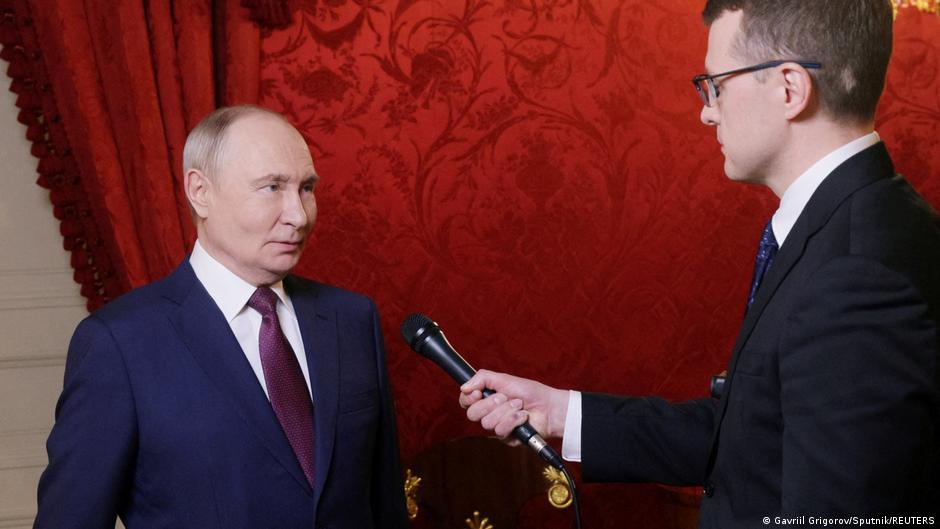
The initiative follows an incident involving drones at Leipzig/Halle Airport and is being framed by Interior Minister Alexander Dobrindt as a broader response to hybrid threats against German infrastructure. In an interview with Bild am Sonntag, published on Sunday, September 6, Dobrindt said Germany needed a tougher posture toward Russian sabotage.
“Russia’s hybrid attacks using drones with explosives against airports, agents in our cities, cyberattacks on our networks and sabotage against our infrastructure are everyday reality,” Dobrindt said.
For companies, the plan signals that security risk may increasingly become an operating-cost issue rather than solely a state responsibility. According to the report, the proposed framework would involve rapid deployment of special units in strategically important German cities, including Berlin, Munich, Hamburg, Stuttgart, Dusseldorf, Frankfurt am Main, Leipzig, Hanover and Cologne. Airspace over key transport hubs, airports, railway stations and Berlin’s government district would be protected against unmanned aerial vehicles.
The proposal is not limited to interception. The report said the protective system would also cover the neutralization of explosive devices, a requirement that would likely involve specialized equipment, trained personnel and coordination between public authorities and private infrastructure operators.
Critical Infrastructure Operators Face a Larger Security Role
A notable element of the plan is the expected involvement of companies that operate critical infrastructure. In the near future, drone defense would be carried out not only by the federal police but also by critical infrastructure enterprises, including electricity companies and defense-industry businesses, according to Bild am Sonntag.
The report said these companies would be given legal powers to actively repel drone attacks. From a financial reporting perspective, that would place new attention on how companies disclose security-related spending, operational resilience, insurance exposure and capital investment in protective systems. Airports, logistics groups, power companies and defense contractors may face investor questions about whether existing budgets are sufficient for drone detection, counter-drone technology, emergency response capacity and cyber defense.
Germany’s proposal also points to a potential market opportunity for defense and security suppliers, particularly those providing counter-drone systems, digital sensors, infrastructure monitoring tools and cyber-interception capabilities. At the same time, companies directly responsible for infrastructure may have to absorb higher compliance and preparedness costs if legal responsibilities expand.
Dobrindt said the attacks would intensify, but that Germany could resist and protect itself. He announced the creation of a comprehensive protective shield against further attacks, presenting the project as a national security requirement rather than a sector-specific measure.
Cyberdome Plan Targets Daily Cyberattacks
The anti-sabotage package is also expected to include a national cyber shield, described as a Cyberdome, in response to hundreds of daily cyberattacks on German government agencies and companies. The system would rely on a large network of digital sensors designed to detect and intercept hacking attempts at an early stage.
For listed companies and large private operators, the Cyberdome concept may raise questions about data-sharing obligations, technology procurement, cybersecurity reporting and incident-response coordination with federal authorities. Companies already disclose cyber risk in annual reports, but a national sensor network could introduce a more centralized model of monitoring and response.
The Cyberdome proposal also comes at a time when investors increasingly treat cyber resilience as a financial-risk factor. A successful attack on transport, energy or defense infrastructure can disrupt revenue, trigger remediation expenses, increase insurance premiums and expose companies to regulatory scrutiny. The German plan appears intended to reduce that downside risk by detecting hostile activity earlier, though implementation costs and governance details were not specified in the source report.
Leipzig Drone Incident Drives Policy Response
The immediate context for the plan is an alleged sabotage attempt at Leipzig/Halle Airport on August 4 against a Ukrainian An-124 cargo aircraft. Media reports, citing German investigative authorities, said several drones were involved in the suspected attack. One drone carrying explosives was reportedly found near several Ukrainian cargo aircraft, while a second drone probably crashed into a DHL cargo aircraft within minutes of the first drone being discovered.
On September 1, the German government attributed responsibility for the drone sabotage at Leipzig airport to Russia. As countermeasures, Berlin decided to close Russia’s consulate general in Bonn and the Russian House in Berlin, tighten controls on Russian citizens entering Germany and strengthen measures against Russia’s so-called shadow fleet.
The Leipzig/Halle location is commercially significant because it is a major cargo airport and logistics node. The reported proximity of explosive drones to Ukrainian cargo aircraft, and the suspected impact involving a DHL aircraft, underlines the potential financial exposure of transport and logistics operators to security disruptions. Even limited incidents can affect airport operations, cargo schedules, aircraft availability and risk assessments by insurers and customers.
The source report did not provide cost estimates for the protective shield, the Cyberdome or the planned deployment of special units. It also did not specify how expenses would be divided between the federal government, state authorities and private companies. Those details will be critical for investors assessing the budgetary impact on affected sectors.
Political Support and Opposition Scrutiny
The European Union, NATO and several European governments expressed support for Germany. Within Germany, however, some opposition politicians criticized the federal government’s countermeasures. Some considered the actions insufficient, while others viewed them as a dangerous escalation.
That political split matters for financial planning because the scale, timing and legal design of the security package may depend on parliamentary and regulatory follow-through. Companies potentially brought into the system will need clarity on liability, permitted defensive actions, procurement standards and who pays for new capabilities.
For now, the proposal marks a shift in Germany’s approach to sabotage and cyber risk. The state is preparing a broader security architecture, while critical infrastructure businesses may be asked to take a more active operational role. The financial consequences will become clearer only when Berlin defines the legal powers, funding mechanisms and reporting requirements behind the planned shield.