Germany to Transfer Gas Power Plant from Nord Stream to Ukraine Amid Energy Shifts
German energy firm Sefe announces humanitarian transfer of gas-fired power plant near Nord Stream to Ukrainian operator on self-pickup terms.
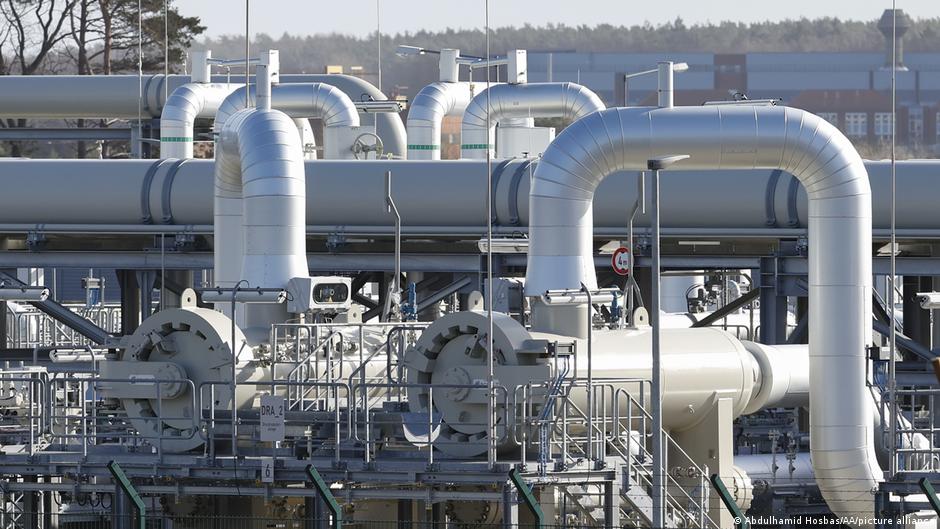
Germany plans to transfer a gas-fired thermal power plant, formerly supporting the Nord Stream pipeline, to Ukraine as part of humanitarian aid. The transaction, announced by the German company Sefe Securing Energy for Europe (formerly Gazprom Germania), involves handing over the facility on a self-pickup basis.
Details of the Power Plant and Its Strategic Context
The power station is located in Lubmin near Greifswald and is owned by Industriekraftwerk Greifswald GmbH (IKG). It was used to produce technological heat and electricity to facilitate the flow of Russian gas into Germany's gas transportation system via the Nord Stream pipeline. According to German broadcaster NDR, the plant has a capacity of 84 megawatts (MW) of heat and electricity.
Following Russia's reduction and eventual cessation of gas deliveries through Nord Stream in the summer of 2022, the pipeline suffered significant damage from explosions and remains non-operational. Germany has also formally ceased importing Russian gas amid the ongoing conflict in Ukraine. As a result, the power plant's operation became economically unviable after pipeline supplies ended in September 2022, leading to a full shutdown in 2023 due to a lack of alternative heat consumers.
Sefe, the majority owner of IKG, reported unsuccessful attempts to find a buyer for the thermal power station. Consequently, the company decided to transfer the plant to a Ukrainian power operator, with the recipient responsible for collection and transport.
"This decision is economically sensible for us as it avoids dismantling and disposal expenses while supporting Ukraine's energy infrastructure," Sefe stated.
The transfer aligns with Germany's broader strategy to assist Ukraine's energy sector during a period of heightened geopolitical tension and energy supply realignments. It also reflects challenges European energy operators face in adapting assets originally tied to Russian gas infrastructure.