Drone Incident Hits Residential Building in Western Moscow Amid Heightened Security
A drone strike damaged a luxury residential complex in Moscow's western district, with no casualties reported and emergency services responding promptly.
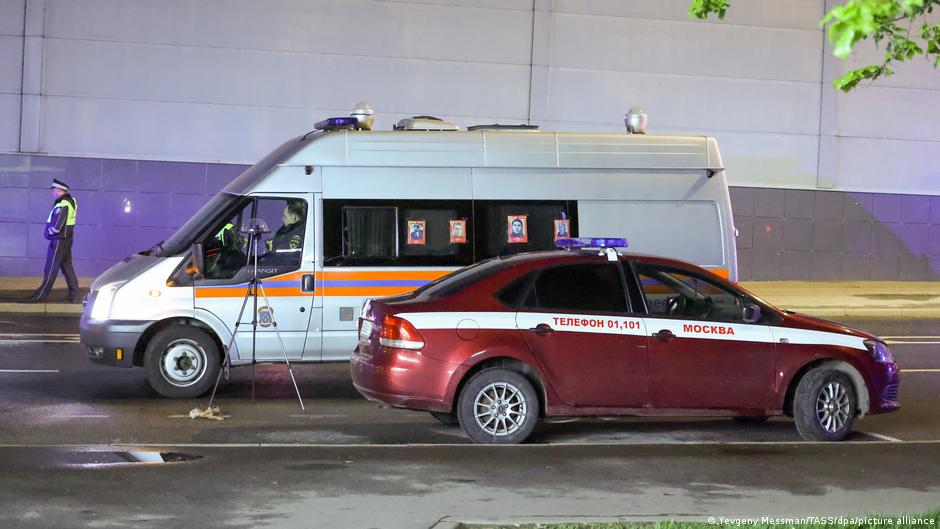
On the night of May 4, Moscow's mayor announced that a drone had struck a building on Mosfilmovskaya Street in the city's western area, causing structural damage but no injuries. Emergency services quickly arrived at the scene to assess and manage the situation.
Impact on Residential Property and Security Response
According to eyewitness reports and local Telegram channels, the drone collision resulted in visible damage to the facade of a residential building, part of an upscale housing complex known as the "Dom na Mosfilmovskoy Ulitse" located in the Ramenki district. Multiple apartments sustained broken windows, and debris from the impact fell onto the building’s surrounding grounds.
Following the incident, authorities cordoned off Mosfilmovskaya Street near the affected property to ensure public safety and facilitate emergency operations. The mayor confirmed that no one was injured during the event and that the city's air defense units successfully intercepted two additional drones approaching Moscow around the same time.
"No casualties have been reported. Emergency services are actively working at the site," stated Mayor Sergey Sobyanin in his official Telegram channel.
While the exact motivations and origins of the drone attacks remain unclear, the incident highlights increased security challenges facing Moscow's urban infrastructure and residential areas. The damage to a luxury housing complex may prompt concerns among investors and residents regarding safety and property value stability in the affected district.
Financial and Investor Implications
Though the immediate human toll was avoided, the physical damage to the residential property could have financial repercussions. Repairs to the building facade and replacement of windows will likely incur substantial costs. Additionally, potential disruptions to resident occupancy and heightened security measures might affect the complex’s short-term operational expenses and property management budgets.
From an investment standpoint, the incident underscores the importance of risk assessment for luxury real estate assets in metropolitan environments facing emergent security threats. Investors and property managers may need to reevaluate insurance policies, contingency plans, and capital allocations toward enhanced protective infrastructure.
As authorities continue investigations and security measures remain heightened, market participants will be monitoring developments closely for any further impact on Moscow's real estate sector and investor confidence.