ICAO Urges Stronger Airline Risk Controls After Ukraine Warning on Russia
The UN aviation body called for faster threat sharing and stronger risk management as Ukraine warned that Russia’s airspace is becoming increasingly unsafe.
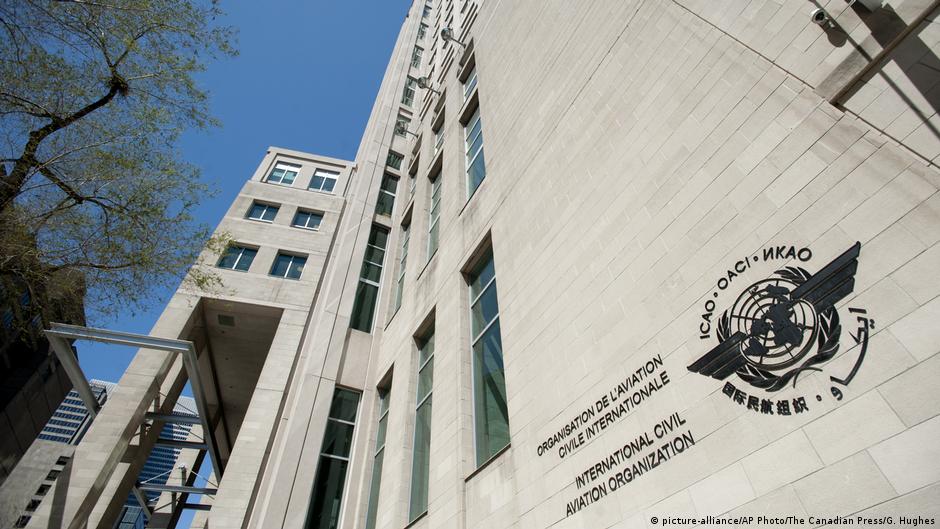
The International Civil Aviation Organization (ICAO) has called on countries to take stronger commitments to protect civilian aircraft from risks linked to conflict zones, adding a new layer of scrutiny for airlines, aviation regulators and other stakeholders monitoring operational and safety exposure. The statement was published on Wednesday, September 2, after Ukraine formally notified the organization that flying over Russia had become unsafe because of what Kyiv described as increased military activity.
For the aviation sector, the ICAO appeal highlights how security risks can quickly translate into operating, compliance and financial considerations. Carriers, lessors, airports and service providers depend on stable airspace access, predictable routing and effective communication between military and civilian authorities. When those conditions deteriorate, airlines may face tougher route planning decisions, added risk reviews and higher uncertainty around service continuity.
ICAO, a United Nations body with 193 member states, did not directly name Russia or Ukraine in its statement. Instead, it framed the warning in broader terms, citing a growing worldwide threat from the use of weapons against civilian aircraft and an increased risk that such aircraft could become targets or be caught in crossfire. Among the technologies it identified as hazardous were drones, long-range weapons systems, air defense systems and devices used to create radio-frequency interference for navigation systems.
“Member States should promptly share threat information where certain activities pose risks to civil aircraft, strengthen risk assessment and timely decision-making mechanisms, and improve coordination between military and civil authorities to prevent the mistaken identification of civil aircraft as military targets.”
That language points to a practical agenda with direct implications for airline governance and operational control. Faster threat disclosure and more robust assessment mechanisms can affect how quickly operators revise schedules, reroute flights or reassess exposure to specific corridors. In a sector where timing, network efficiency and safety oversight are tightly linked, such warnings can have consequences well beyond the immediate security debate.
Operational Continuity and Risk Oversight in Focus
Ukraine’s warning to ICAO came several hours before the organization published its statement. Ukrainian Foreign Minister Andrii Sybiha said Kyiv had officially informed ICAO that Russian airspace was unsafe because of an intensification of military activity. “We strongly urge everyone to avoid it,” he said.
Sybiha said Russia was consciously ignoring existing threats caused by its aggression against Ukraine and that this had already led to several incidents in recent years. Against what he described as a sharp escalation of Russian terror against Ukraine, he said Russian airspace was becoming increasingly unsafe. He said Kyiv’s notification to ICAO was intended to prevent unintended incidents.
The Ukrainian move followed a September 1 statement by President Volodymyr Zelenskyy, who said airspace over Russia would gradually close because of Ukrainian drones that Russian authorities were not properly reporting. Zelenskyy said “the Russian sky is becoming completely unsafe” and added that Ukraine did not want innocent people to die and was therefore warning partners.
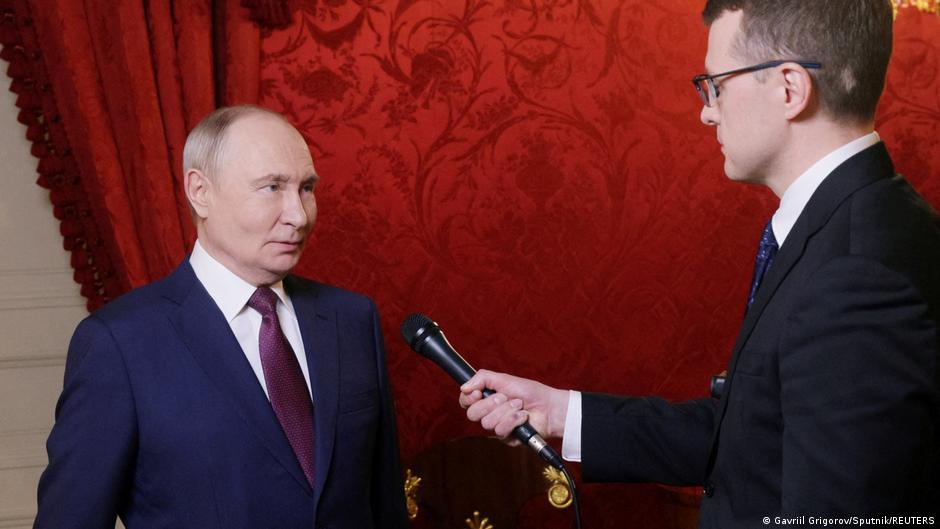
Russian President Vladimir Putin rejected those remarks, describing the Ukrainian leader’s words as “a bid for state terrorism.” Speaking overnight on September 2 after the Shanghai Cooperation Organization summit in Bishkek, Putin said that if such tragedies were to occur, Russia would find a way to respond.
Later on the evening of September 2, Russia’s Federal Air Transport Agency, Rosaviatsiya, said that together with other authorities it was implementing additional measures for the safe use of Russian airspace and for increasing the protection of transport infrastructure on the ground. The agency said Russian air transport and its ground infrastructure were continuing normal operations and were receiving and dispatching flights, including those of foreign airlines.
From a financial reporting perspective, the immediate significance lies less in a disclosed earnings impact than in the operating environment that carriers and aviation counterparties must navigate. ICAO’s intervention does not itself impose a quantified cost, and the source material contains no new figures on cancellations, traffic volumes or losses. Even so, the organization’s warning raises the importance of internal risk controls, route exposure assessments and disclosure discipline for companies with activity affected by contested or high-risk airspace.
Airlines and aviation authorities typically rely on layered information flows when evaluating whether routes remain viable. ICAO’s emphasis on prompt threat sharing and closer civil-military coordination suggests concern that fragmented or delayed information can increase the probability of miscalculation. For investors and analysts focused on the sector, that places renewed attention on safety governance, operational resilience and management’s ability to respond quickly when geopolitical risks change.
The issue also touches on continuity of service. Rosaviatsiya’s statement that flights, including those of foreign airlines, continue to operate as planned is intended to signal stability. At the same time, Ukraine’s appeal and ICAO’s response underscore that the risk debate is not limited to domestic operators. International carriers, code-share partners and related service providers may all have to weigh their own assessments of airspace safety against official assurances, with potential implications for route decisions and planning assumptions.
ICAO’s statement stops short of naming a specific enforcement action, but its message is clear: member states are expected to improve the quality and speed of risk information, strengthen their evaluation frameworks and reduce the danger of civilian aircraft being misidentified in military environments. For the aviation business, those are not abstract goals. They shape how operators protect passengers, manage exposure and preserve confidence in an industry where safety events can carry immediate operational and reputational consequences.
As of September 2, the positions of the key parties remained sharply opposed. Ukraine says Russia’s airspace is becoming more dangerous amid increased military activity and drone operations. Russia says it is adding safety measures while maintaining normal air traffic operations. ICAO, without naming either side, has responded by urging governments to tighten safeguards for civilian aircraft over or near conflict zones.