Iran Replenishes Missile Stockpile Possibly with Russian Arms Amid Regional Tensions
Bloomberg reports Iran's missile arsenal restored to nearly 75% of pre-conflict levels, potentially aided by new Russian missiles during ceasefire period.
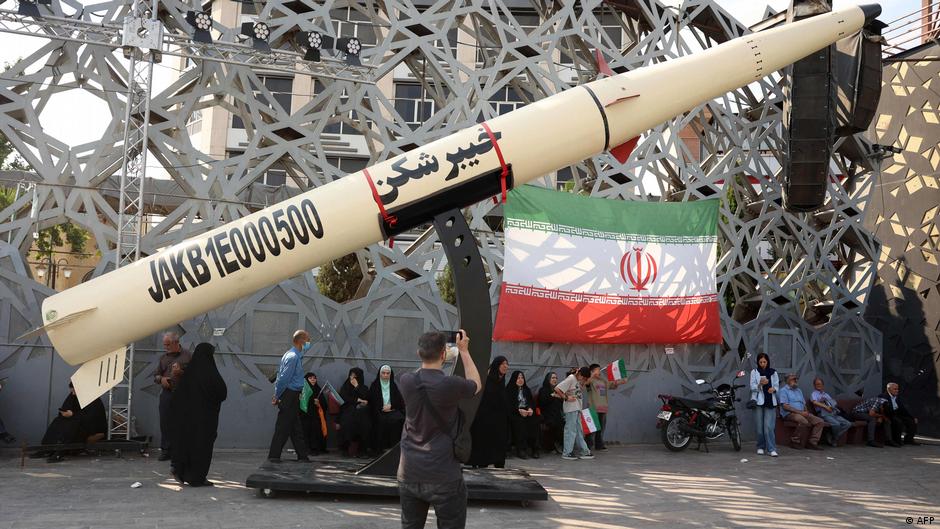
According to a recent Bloomberg report citing unnamed Western intelligence sources, Iran has managed to restore a significant portion of its missile arsenal despite ongoing regional conflict. The report suggests that Russia may have supplied Tehran with new missile systems during the ceasefire period between Iran and the United States, enabling Iran to rebuild its stockpile to about three-quarters of its pre-escalation capacity.
Strategic Restocking and Military Capability
The eight-week ceasefire between Iran and the US provided Tehran with an opportunity to replenish and upgrade its missile reserves. Intelligence indicates that Iran's inventory now includes unspecified Russian-made missiles, reportedly produced within the last year. This replenishment aims to maintain sufficient firepower to deliver a near-full-scale retaliatory strike if hostilities resume.
Earlier assessments during the peak of hostilities in March estimated Iran's missile stockpile at roughly 60% of its original size before the escalation triggered by US and Israeli strikes. Contrastingly, recent US statements suggested Iran’s missile inventory had dwindled to approximately 21%-22% of its pre-conflict levels. These conflicting figures highlight the complexities in accurately gauging Iran’s military capacity in a fluid conflict environment.
Significant damage inflicted on many ballistic missiles and launch platforms has reportedly buried them under debris in underground storage facilities. Analysts believe Iran used the ceasefire not only to clear access to these caches but also to relocate ammunition to alternative sites, thereby enhancing survivability and operational readiness.
"For Iran, assembling inexpensive Shahed drones amid ongoing conflict is relatively straightforward, and the persistence of a substantial prewar missile arsenal complicates US decisions on resuming strikes," noted Kelly Grisko, senior fellow at the Stimson Center.
Grisko emphasized that Iran frequently employs these drones in attacks, reflecting a strategic shift towards more cost-effective unmanned aerial systems alongside traditional missile forces. The resilience of Iran's drone production capabilities further underlines the challenges faced by US military planners.
Geopolitical and Financial Implications
From a financial perspective, the potential Russian arms transfer signals ongoing defense cooperation that may impact regional arms markets and international sanctions regimes. For investors and defense analysts, these developments necessitate close monitoring of supply chains, production capacities, and geopolitical risk factors that could affect defense contractors and related industries.
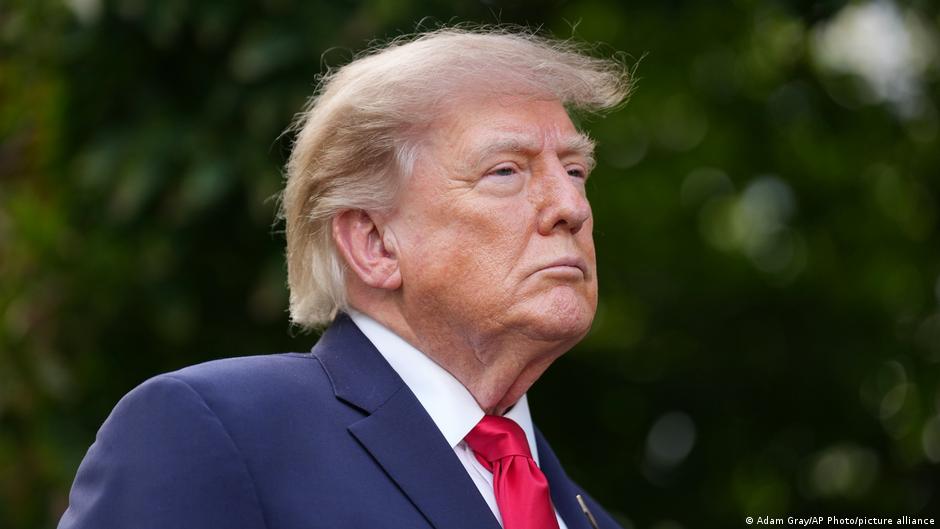
Furthermore, the ongoing conflict and uncertainty surrounding a peace agreement introduce volatility in regional energy markets. US President Donald Trump stated plans for a peace deal signing coinciding with his 80th birthday, which would result in reopening the strategically critical Strait of Hormuz, a vital energy transit route. However, Iranian officials have dismissed the likelihood of an agreement by this date, indicating sustained tensions and market instability.
Repeated optimistic declarations by the US administration regarding imminent peace deals have yet to materialize into concrete agreements, reflecting the unpredictability that investors must account for in regional risk assessments.
Overall, Iran’s demonstrated ability to replenish military assets, potentially with external support, combined with the fragile diplomatic situation, underscores the complex interplay between military capabilities and geopolitical financial risks in the Middle East.