Austria Plans to Extend Mandatory Military Service to Nine Months Amid Security Concerns
Austrian government proposes reforms to increase military service duration and enhance training in response to evolving security threats.
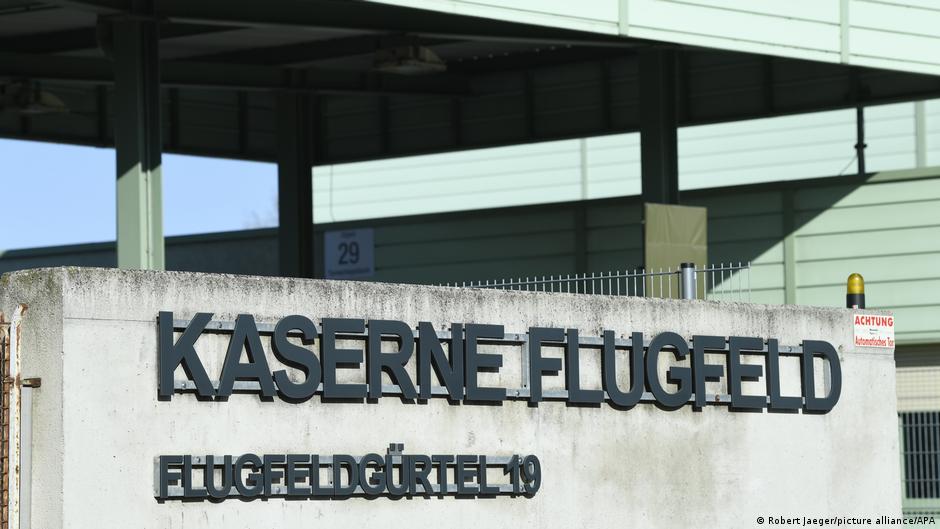
The Austrian government has announced plans to extend the duration of mandatory military service from six to nine months, aiming to bolster national defense capabilities amid increasing geopolitical and cyber threats. This proposal is part of a broader reform intended to enhance the effectiveness and readiness of Austria's armed forces.
Details of the Military Service Reform
The reform includes not only the extension of compulsory service by three months but also introduces mandatory field exercises following the initial six months of basic training. These exercises will be conducted intermittently over a ten-year period, allowing conscripts to maintain proficiency and readiness within the militia system.
"It is not enough to simply acquire new equipment if our soldiers do not have sufficient practical experience using it in emergency situations," Chancellor Christian Schallenberg emphasized.
The government intends to make military service more attractive to conscripts by increasing monthly pay to approximately €1,000 and offering additional vacation days. These incentives are designed to improve recruitment and retention rates within the armed forces.
Political Context and Legislative Process
The proposed changes have been negotiated extensively within Austria's ruling coalition, comprising the conservative Austrian People’s Party (ÖVP), the Social Democratic Party (SPÖ), and the liberal Neos party. However, the reforms require a two-thirds majority in Parliament to be enacted, prompting the government to seek support from the Freedom Party of Austria (FPÖ) and the Greens.
If approved, the new regulations will take effect on January 1, 2027. Notably, the reform currently excludes the nine-month civilian service alternative, though plans are in place to allow voluntary extensions of this service by two months starting in 2027, with mandatory extensions from 2028 if conscription targets are not met.
Strategic Drivers Behind the Reform
The decision to extend military service comes against the backdrop of heightened security concerns following Russia's invasion of Ukraine. Austria, maintaining its traditional status as a neutral nation outside NATO, faces increased risks from cyberattacks, hybrid warfare, and threats to critical infrastructure.
"The dream of lasting peace in Europe was shattered by Russian aggression," Chancellor Schallenberg stated. The government argues that strengthening the competence and readiness of military personnel is essential to national security in this new environment.
Financial Implications and Outlook
Increasing conscript pay to €1,000 per month represents a significant rise in personnel costs for the Austrian military budget. Coupled with expanded training programs and field exercises, these reforms will likely impact defense spending over the coming years. However, officials emphasize the necessity of these investments to ensure the armed forces’ operational readiness and resilience.
As Austria navigates this transition, investors and financial observers will monitor the government's allocation of resources toward defense amidst broader economic priorities. The reforms reflect a strategic recalibration in response to evolving security dynamics in Europe.