Iran’s IRGC Attacks Oil Tanker in Strait of Hormuz, Impacting Maritime Oil Transport
IRGC vows to maintain blockade of Strait of Hormuz amid escalating tensions affecting tanker operations and oil shipments.
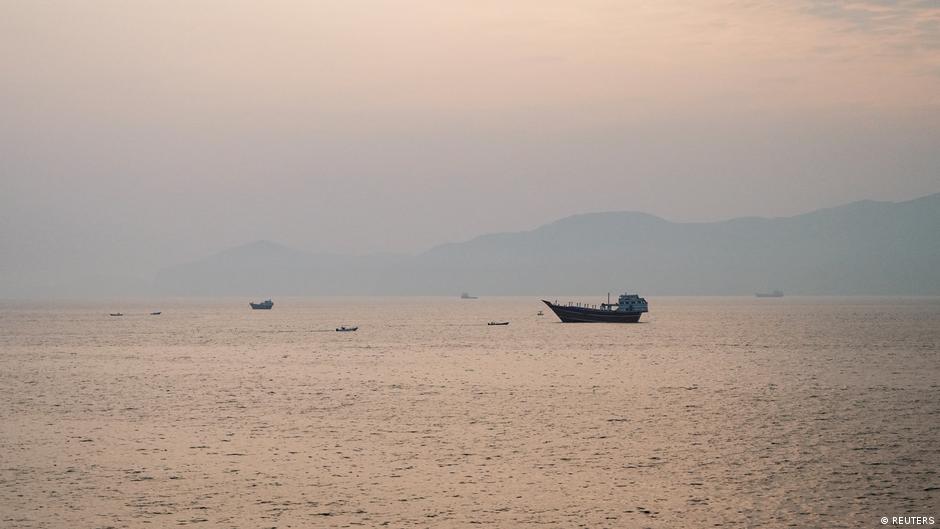
The Islamic Revolutionary Guard Corps (IRGC) of Iran has reportedly detonated a mine targeting an oil tanker attempting to navigate the Strait of Hormuz without Iranian authorization, escalating security risks for maritime oil transport through this strategic chokepoint. This incident comes amid continuing tensions in the region and poses significant implications for the global oil supply chain and investor confidence in energy transport operations.
Details of the Incident and Vessel Status
According to an official statement, three oil tankers under the influence of the U.S. military attempted to transit a mine-laden route south of the Strait of Hormuz. Upon the explosion and ensuing fire on one tanker, the remaining two vessels retreated. The targeted tanker, identified by satellite imagery as the Kavomaleas, owned by Greek shipping magnate Georgios Prokopiou’s Dynacom company, was reportedly hit by two projectiles on July 19 while en route from Oman to the Persian Gulf.
The attack resulted in a fire in the engine room, forcing the crew to evacuate the vessel. Subsequent satellite images from the European Space Agency dated July 21 show the tanker's presence within Iranian territorial waters near Larak Island, with smoke still emanating from the engine area. This visual evidence supports the assertion that the vessel was seized or detained by Iranian forces.
Dynacom, the owning company, has stated it did not authorize any recent movements of the tanker and is currently investigating its whereabouts.
"The IRGC naval forces will continue to block the Strait of Hormuz as long as the U.S. pursues aggressive actions in the region," the IRGC declared, warning that any ship attempting to cross without Iranian approval will face similar consequences.
Financial and Market Implications
The Strait of Hormuz is a critical transit point for approximately 20% of global petroleum shipments. Disruptions here can lead to immediate volatility in oil prices due to supply uncertainty. The attack and potential seizure of the Kavomaleas tanker, which was slated to carry over 500,000 barrels of crude oil, raises investor concerns about the security risks inherent to maritime oil logistics in contested waters.
Incidents such as this also affect insurance premiums for tankers operating in the region, potentially increasing operational costs for shipping firms. Furthermore, they might compel energy companies to seek alternative, longer routes, adversely impacting delivery timelines and financial forecasts.
Since the onset of hostilities involving the U.S., Israel, and Iran, 45 commercial vessels have reportedly been attacked, with the Kavomaleas incident marking the third known case of an Iranian seizure of a vessel amid this conflict. This ongoing instability complicates investor relations for shipping companies and energy firms with exposure to Middle Eastern supply chains.
Market analysts and stakeholders will be closely monitoring developments in the Strait of Hormuz as Iranian naval policy continues to assert control over maritime traffic without external authorization, potentially reshaping risk assessments and strategic planning for energy transport companies globally.