Latvian President Warns NATO to Prepare for Escalation with Russia Amid Defense Spending Concerns
Edgars Rinkevichs emphasizes the need for increased military readiness and proportional NATO response to potential Russian aggression.
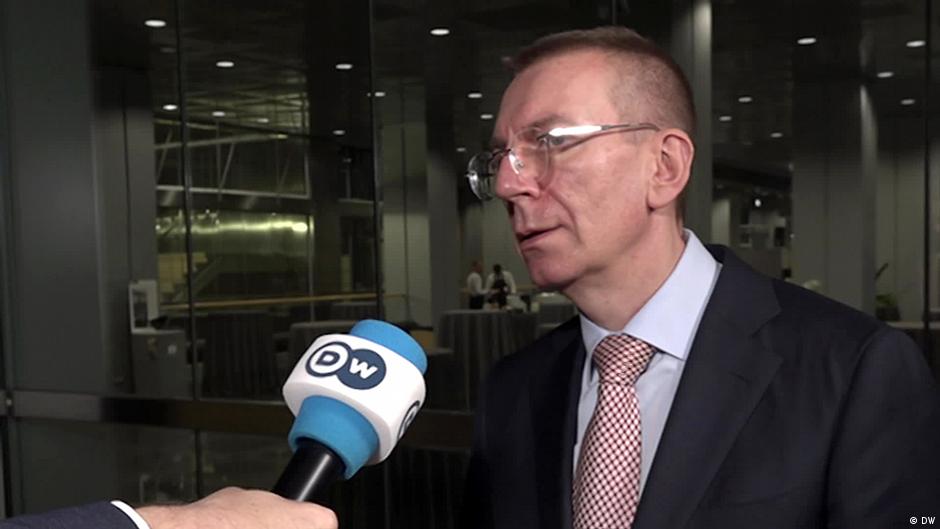
Latvian President Edgars Rinkevichs has urged NATO members to prepare for a potential escalation of conflict with Russia, underscoring the insufficiency of current European defense spending and military capabilities. In a July 3 interview with Deutsche Welle, Rinkevichs highlighted the risks of direct confrontation between Russia and the NATO alliance.
NATO's Strategic and Financial Challenges
Rinkevichs stressed the necessity for NATO countries to send a clear signal to the Kremlin: any challenge from Russia will be met with a proportional response from the alliance. He warned that the current defense budgets, even as members aim to reach 5% of GDP on military spending, are not translating into adequate increases in real military strength.
"Money is very important, but it is equally essential to possess weapons, missiles, and equipment that can be effectively acquired with these budgets," Rinkevichs explained. According to him, the core issue for many NATO countries lies in low actual military capacity rather than just funding levels.
The Latvian president also affirmed the indispensability of the United States as a defense partner for Europe despite varying political rhetoric among European leaders. Cooperation between the U.S. and Europe remains a cornerstone of regional security strategy.
Diplomatic Engagement Ahead of NATO Summit
On the same day as the interview, Rinkevichs met in Berlin with German Chancellor Friedrich Merz alongside Estonian Prime Minister Krišjānis Kariņš and Lithuanian President Gitanas Nausėda, ahead of the upcoming NATO summit in Ankara. Chancellor Merz reiterated Germany's commitment, stating, "The security of the Baltics is also the security of Germany." This alignment highlights the shared responsibility among NATO allies to respond collectively to evolving threats.
"Achieving peace in Ukraine is impossible without European involvement," Rinkevichs stated, emphasizing the continent's critical role in regional stability.
Latvia's president also linked the country's membership in the European Union with its strategic security interests, framing EU integration as a vital component of broader defense and political stability efforts.
As NATO members prepare for their summit, Rinkevichs' comments draw attention to the alliance's need to reassess defense spending effectiveness and military preparedness amid ongoing tensions with Russia.