Lithuania, Poland, and France Conduct Joint Military Exercises Near Suwalki Corridor Amid Rising Security Concerns
Multinational drills aim to enhance defense capabilities at the strategic Suwalki Corridor, a critical NATO and EU link.
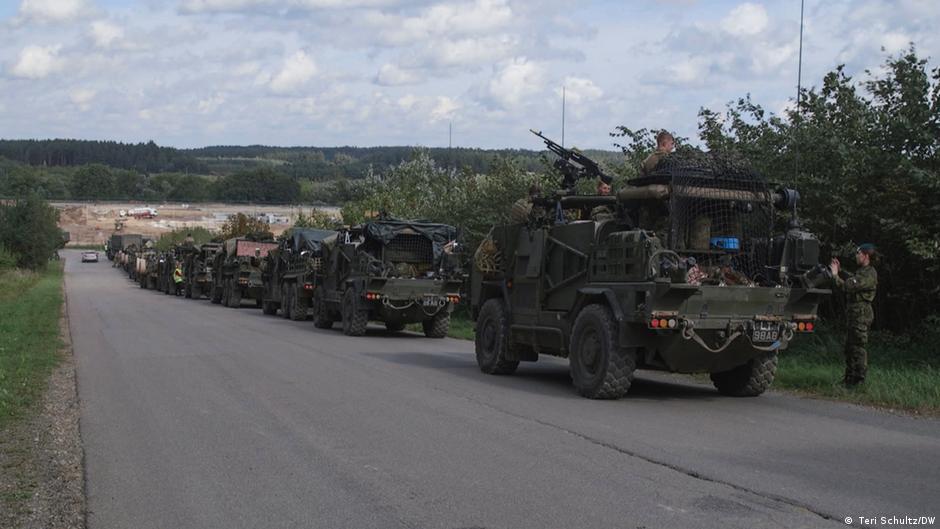
From June 16 to 26, Lithuania, Poland, and France are conducting joint military exercises titled "Gallant Boar 2026" near the Suwalki Corridor, a strategic land bridge connecting the Baltic states with the rest of the European Union. These drills aim to improve infantry operations, synchronize allied forces, and sharpen skills necessary for the protection of this vital corridor.
Strategic Importance and Military Investment
The Suwalki Corridor is a narrow stretch of less than 100 kilometers positioned between Russia's Kaliningrad exclave and Belarus. It holds significant strategic value for NATO and the European Union as it links Lithuania, Latvia, and Estonia to the broader alliance and EU territories. The corridor's security is critical due to fears that Russia might attempt to seize this area in a potential conflict, effectively isolating the Baltic states from NATO support.
Participating forces include Lithuania's mechanized Dragoon Battalion named after Grand Duke Butigeidis and the "Žemaitija" infantry brigade, alongside Polish and French military units. The exercises focus on joint operations and alliances' tactical coordination to counteract potential threats.
In response to rising tensions, the Lithuanian parliament approved the construction of a new military training ground near the corridor in April 2026. Scheduled for completion by 2028, this facility will accommodate up to 4,000 troops, bolstering regional defense readiness.
"The Suwalki Corridor remains a focal point for NATO’s strategic planning due to its geopolitical vulnerability and importance."
Regional Security and Military Posture
Military activity in the area has intensified, supported by NATO's planned creation of a new command structure to facilitate rapid deployment of forces to Estonia and Latvia in case of escalation. Satellite imagery analyzed by Nordic media outlets confirms Russia's expansion of military bases along its western borders, indicating an ongoing strategic buildup.
According to defense experts, Russia is reportedly positioning around 115,000 troops near its European borders, signaling preparation for potential future confrontations. German Bundeswehr Inspector General Carsten Breuer predicts a possible peak in Russian military activity around 2029, based on observed troop movements and armament increases.
Despite these developments, NATO leadership remains confident that Moscow does not seek direct conflict with the alliance, citing Russia’s inability to counter NATO’s asymmetric military advantages. U.S. Army General Christopher G. Cavoli, Supreme Allied Commander Europe, emphasized that Russia understands NATO’s strengths and the futility of open confrontation.
These military exercises and infrastructure investments underscore the importance placed by NATO members on safeguarding the Suwalki Corridor to ensure Baltic regional security and maintain the integrity of the alliance's eastern flank.