Moscow's May 9 Victory Day Parade to Exclude Military Vehicles Amid Security Concerns
For the first time in years, Moscow's Victory Day parade will proceed without military vehicles due to current operational conditions, signaling a shift in traditional displays.
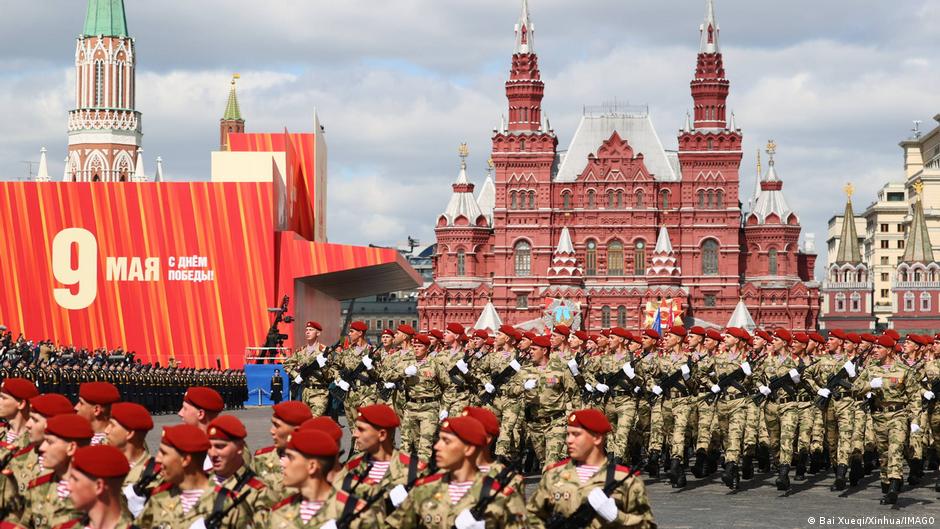
For the first time in over a decade, Moscow’s traditional Victory Day parade on May 9, 2026, will not feature military vehicles on Red Square. The Russian Ministry of Defense announced the decision on April 28, attributing it to the "current operational situation." Despite the absence of ground military hardware and cadet units from Suvorov and Nakhimov military schools, the parade will still feature combat aircraft flyovers.
Shift in Military Display Reflects Operational and Security Factors
Historically, the May 9 Victory Day parade has showcased a broad array of military equipment and troops, symbolizing Russia’s military strength. However, this year’s event will mark a significant departure from this tradition. The Ministry of Defense’s Telegram statement cited operational constraints as the primary reason, a move that aligns with earlier reports suggesting a "scaled-down" parade format. Notably, there were no large-scale rehearsals involving military vehicles observed in Moscow at the end of April, which had fueled speculation about the parade’s altered composition.
"The absence of military vehicles marks a notable shift in this year’s Victory Day parade format, reflecting heightened operational and security considerations," said an expert analyzing the developments.
In the Russian regions, authorities have also canceled mass events on Victory Day, with no parades scheduled in cities like Nizhny Novgorod, Saratov, Chuvashia, and Kaluga Oblast. Furthermore, traditional celebratory salutes have been canceled in Voronezh, Kursk, Bryansk, and Belgorod regions, all citing safety concerns amid ongoing tensions.
These adjustments come amid increased Ukrainian counterattacks targeting key infrastructure within Russia, including Baltic Sea ports essential for oil exports and the Tuapse oil refinery. The evolving security environment appears to have influenced the cautious approach to public military displays.
In contrast, the 2025 Victory Day parade commemorated the 80th anniversary of the Soviet victory over Nazism with extensive military participation. That event involved over 10,000 military personnel, including contingents from North Korea, and approximately 200 units of military hardware spanning both historical and modern equipment. The parade also attracted numerous international dignitaries, including Chinese President Xi Jinping, leaders from former Soviet republics, and representatives from countries such as Myanmar, Venezuela, and Egypt.
President Vladimir Putin, speaking at last year’s parade, drew parallels between the Soviet Union’s World War II conflict against Nazi Germany and Russia’s ongoing military operations in Ukraine. The 2025 event also saw limited EU and NATO representation, with only Slovak Prime Minister Robert Fico attending from those blocs.
The tradition of featuring military equipment in the May 9 parade dates back to 2008. The decision to exclude such vehicles this year underscores a notable development in how Russia is managing its military image amid current geopolitical and operational challenges.