Pakistan Reports Immediate Opening of Strait of Hormuz Following US-Iran Memorandum
Pakistan announces the Strait of Hormuz will reopen immediately after US-Iran memorandum signing, signaling potential easing of regional maritime restrictions.
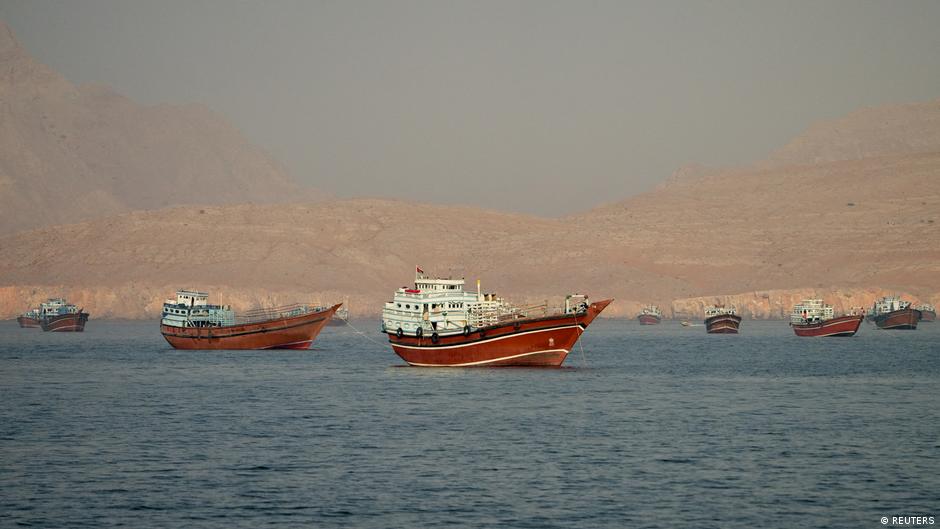
Pakistan's Prime Minister Shahbaz Sharif declared on June 18 that the Strait of Hormuz would be immediately reopened for navigation following the signing of a memorandum between the United States and Iran. The announcement coincides with commitments from the US to lift blockades on Iranian ports, marking a significant shift in regional trade dynamics.
Memorandum Signaling End to Conflict and Potential Economic Implications
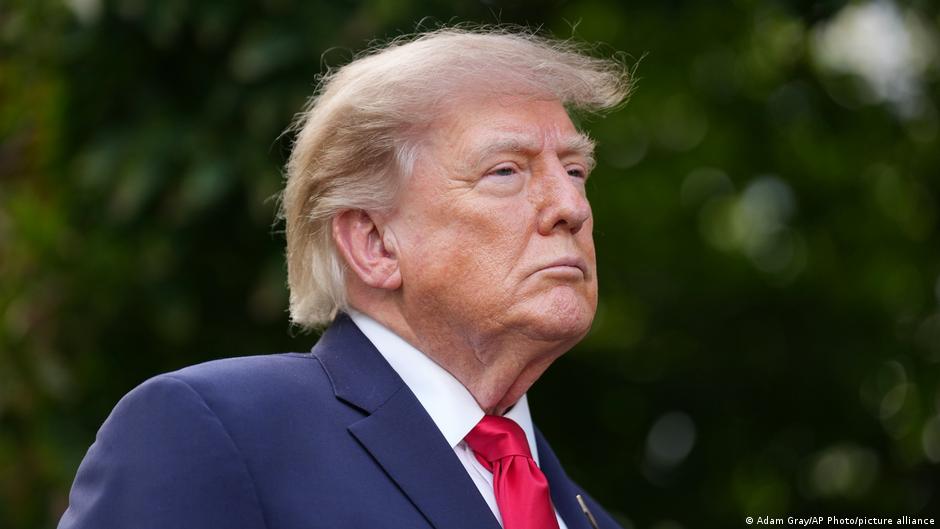
The memorandum, signed digitally on June 17 by US President Donald Trump and Iranian President Masud Pezeshkian, outlines a framework to cease hostilities between the two nations. This agreement is expected to pave the way for negotiations aimed at a comprehensive peace treaty within 60 days. Pakistan, acting as a mediator, indicated that the memorandum has already entered into force, which precipitates the immediate reopening of the strategically vital Strait of Hormuz.
Sharif stated on social media platform X that alongside reopening the Strait, the United States would simultaneously end its blockade of Iranian ports. This development could have profound effects on global oil markets, given that the Strait of Hormuz is a critical passageway for a large percentage of the world's petroleum shipments.
"This ceremony will mark an important milestone and initiate technical-level negotiations for a final peace agreement," said Sharif regarding the upcoming formal signing event.
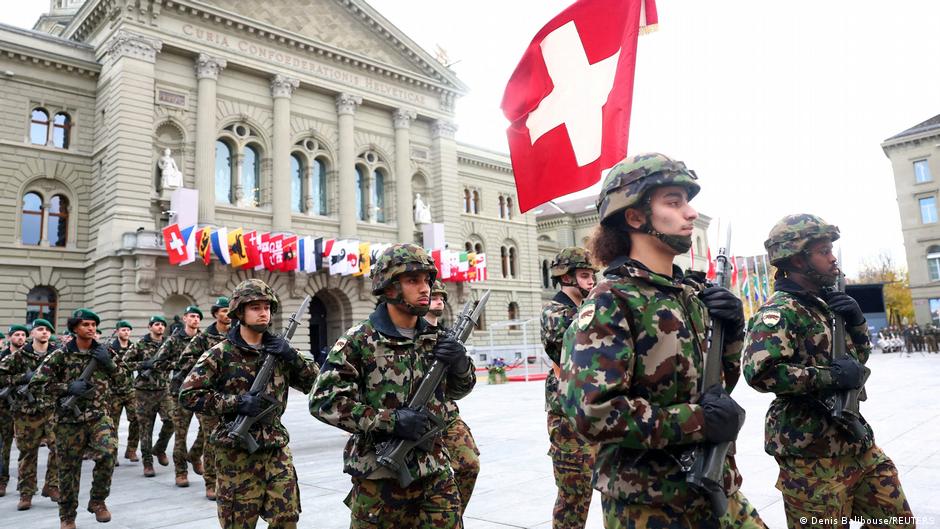
The formal signing ceremony is scheduled for June 19 in Switzerland at the Burgenstock hotel near Lucerne, with support from Qatar. Although the digital signing has been completed, the physical ceremony aims to underscore the importance of the accord and to herald the start of detailed discussions on a final peace deal.
From a financial perspective, reopening the Strait could ease shipping bottlenecks and reduce geopolitical risk premiums embedded in oil prices and shipping insurance costs. Investor relations teams and financial analysts closely monitoring energy markets and regional stability may find these developments pivotal in forecasting supply chain steadiness and global energy market trends.
Moreover, the planned lifting of the US blockade on Iranian ports could restore full trade flow, potentially improving Iran's economic outlook and enabling renewed foreign investment opportunities, subject to subsequent policy and regulatory frameworks.
Market participants are advised to track updates from the upcoming peace negotiations, as successful treaties could lead to longer-term stability, impacting balance sheets of companies in the energy, shipping, and financial sectors.