Pentagon Watchdog Declines Starlink Ukraine Disruption Review
The decision leaves lawmakers seeking clarity on government oversight of SpaceX’s strategically important defense communications services.

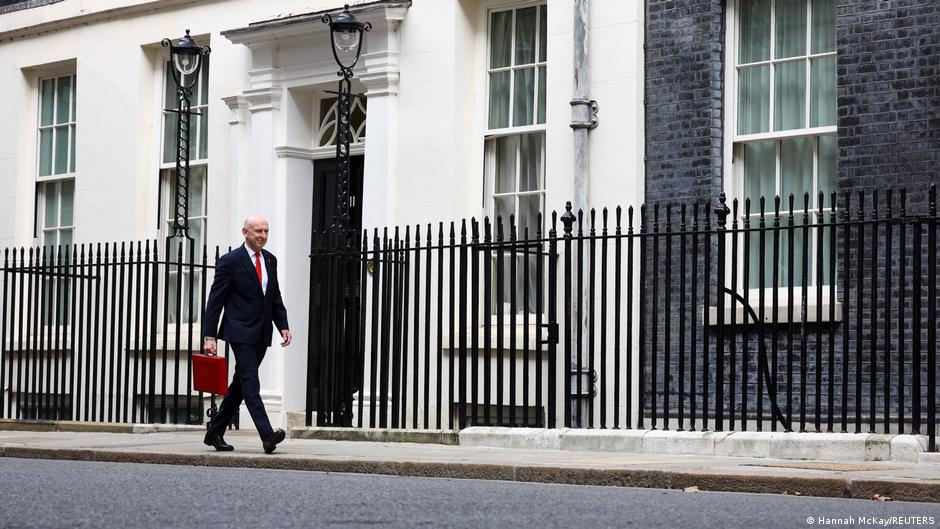
The Pentagon’s inspector general, Platt Moring, has declined to investigate disruptions involving SpaceX satellite communications in Ukraine, referring a bipartisan request from nine US senators to the Air Force, the Associated Press reported on Thursday, October 29.
The response raises questions relevant to investors and government contractors about oversight, contractual controls and the concentration of strategically important defense communications services in a privately controlled supplier. Starlink and its military package, Starshield, are critical to Ukrainian forces, according to the AP. Ukrainian officials said earlier in October that reduced performance affected their ability to intercept fast-moving Russian drones.
The senators’ request came from four Republicans and five Democrats. They asked the Pentagon inspector general, an independent oversight authority, to examine whether Pentagon officials or other US government representatives had ordered, coordinated or approved changes affecting Ukraine’s access to intelligence-sharing arrangements, warning capabilities, or Starlink and Starshield services. They also wanted to know whether officials possessed detailed information about such changes.
Oversight questions carry contractor and investor implications
For financial markets, the dispute does not establish a quantified impact on SpaceX’s revenue, costs or valuation. It does, however, highlight governance and customer-concentration risks surrounding companies whose commercial technology also performs essential military functions. The questions posed by lawmakers concern who controls service parameters, whether government agreements provide sufficient safeguards, and how operational restrictions are authorized and disclosed.
An unnamed congressional aide cited by the AP characterized the inspector general’s response as a refusal to investigate Elon Musk and Starlink, despite the office having the authority and resources to do so. Lawmakers are concerned that the Pentagon, and even its independent watchdog, may be unwilling to confront the influence Musk exercises over defense communications, the AP reported.
The aide said legislators sought answers to two central questions: whether any US government officials were involved and whether Musk had exploited a loophole in the system. The answers could shape future oversight activity and legislative initiatives. For defense suppliers and their financial stakeholders, any resulting measures could affect procurement terms, reporting requirements, service-level controls or government supervision, although no such changes have yet been announced.
“This loophole was closed last week. Starshield is a different system that is under the control of the US government. How they use it is up to them,” Musk wrote on X.
On October 24, Musk confirmed that his company had restricted Starlink satellite communication speeds in Ukraine. He said Kyiv had violated the service’s terms of use and accused the Ukrainian armed forces of employing Starlink for offensive drone attacks “to kill people.” Musk distinguished Starshield from Starlink by saying the military system was controlled by the US government.
The same day, Ukraine’s defense minister, Yevhen Khmara, confirmed that Starlink and its military version, Starshield, had resumed operating in Ukraine at speeds exceeding 400 kilometers per hour.
Service interruptions put contractual control in focus
Communication problems for Ukrainian forces began during the night of October 14, when Starshield terminals started losing connectivity while moving at high speed. Ukrainian defense-force reports indicated that Starshield operations resumed the following day, but further disruptions were recorded after a short period.
Several news organizations, including Britain’s Telegraph and The Wall Street Journal, reported that Musk had proposed imposing the restrictions on Starlink use by Ukrainian forces. According to those reports, he discussed the idea with the Pentagon and obtained the department’s support. The White House, however, said it had issued no instructions to restrict the satellite network’s operations in Ukraine.
The conflicting accounts leave unresolved how operational decisions were divided among SpaceX, the Pentagon and other parts of the US government. That uncertainty is material from a financial-reporting perspective because major government customers generally expect clear lines of accountability, enforceable performance standards and documented authorization for changes to critical services. The source material provides no contract values, quarterly revenue figures, balance-sheet exposure or estimated financial loss tied to the disruptions.
The inspector general’s referral means the Air Force may now become the venue for further scrutiny, although the report did not indicate whether it would open an investigation. Until more information is disclosed, investors lack a clear basis for measuring any effect on SpaceX’s defense relationships or future contracting prospects. The immediate issue remains one of governance and oversight rather than a reported earnings impact.
Still, the senators’ bipartisan interest signals that the matter may persist beyond the operational restoration announced on October 24. Any future investigation or legislation could clarify whether service restrictions require additional government approval and whether defense communications contracts need stronger safeguards. For companies operating at the intersection of commercial satellite networks and national security, those decisions could influence compliance obligations and the structure of future government agreements.