Right-Wing Businessman Abelardo de la Espriella Wins Colombia Presidency Amid Economic Deregulation Pledge
Businessman and right-wing candidate Abelardo de la Espriella narrowly defeats left-wing rival Ivan Cepeda in Colombia's presidential runoff, signaling potential economic shifts.

Abelardo de la Espriella, a far-right businessman, emerged victorious in Colombia's presidential runoff held on June 21, narrowly defeating left-wing candidate Ivan Cepeda. According to preliminary results accounting for nearly all ballots, de la Espriella secured approximately 49.65% of the vote, edging Cepeda by around 246,000 votes who garnered 48.70%.
The new president is set to succeed Gustavo Petro, the outgoing left-wing leader who was ineligible for a second term. De la Espriella’s campaign centered on combating armed groups involved in narcotics trafficking through military strength and pursuing significant economic deregulation.
Economic and Security Policies Under New Leadership
De la Espriella has pledged to build large-scale prisons modeled after initiatives in El Salvador to strengthen the fight against crime. His approach contrasts sharply with Cepeda’s platform, which emphasized broad social reforms.
From a financial perspective, de la Espriella’s commitment to deregulation could signal potential shifts in Colombia’s economic policies, potentially impacting investor sentiment and the broader business environment. Deregulation often aims to reduce bureaucratic hurdles and stimulate economic growth, but it may also raise concerns about social equity and regulatory oversight.
"The best days for Colombia are still ahead," declared U.S. Secretary of State Marco Rubio, who congratulated de la Espriella and expressed expectations for enhanced regional cooperation.
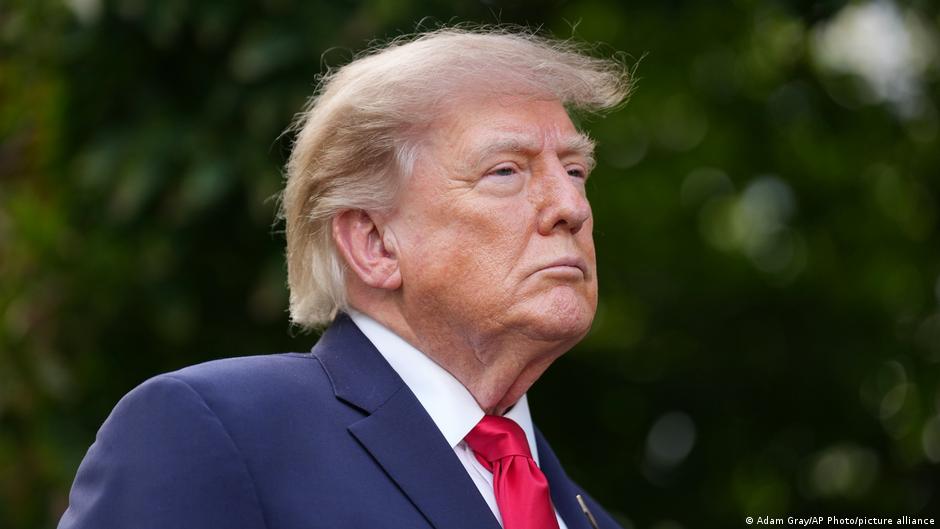
De la Espriella enjoyed support from former U.S. President Donald Trump, who publicly endorsed him during the campaign, calling his victory significant. The U.S. State Department, represented by Rubio, indicated hopes for close collaboration on regional security, immigration control, and bolstering economic ties.
Background: U.S. Sanctions and Regional Relations
The outgoing Petro administration faced U.S. sanctions imposed in October 2025, targeting the president, his family, and key officials over alleged toleration of narcotics cartels. These sanctions included travel bans and reflected broader tensions between Colombia and the United States during Petro’s term, including disagreements over counter-narcotics operations and U.S. military actions in the Caribbean.
Petro’s strong criticisms of U.S. policy, including his stance on Israel and previous calls for demonstrations against U.S. initiatives, marked a period of strained bilateral relations. Trump, in response, ceased U.S. support for Colombia’s anti-narcotics efforts and labeled Petro a "bandit."
De la Espriella’s election signals a potential realignment toward closer ties with the U.S. and a more business-friendly economic stance, which investors will be closely monitoring as Colombia prepares for policy transitions beginning August 7.