Russia Allows Sale of Lower-Grade Fuels Until Mid-2027 Amid Energy Crisis
The Russian government permits production and sale of Euro-2 to Euro-4 fuels until July 2027 as a temporary measure to address supply constraints.
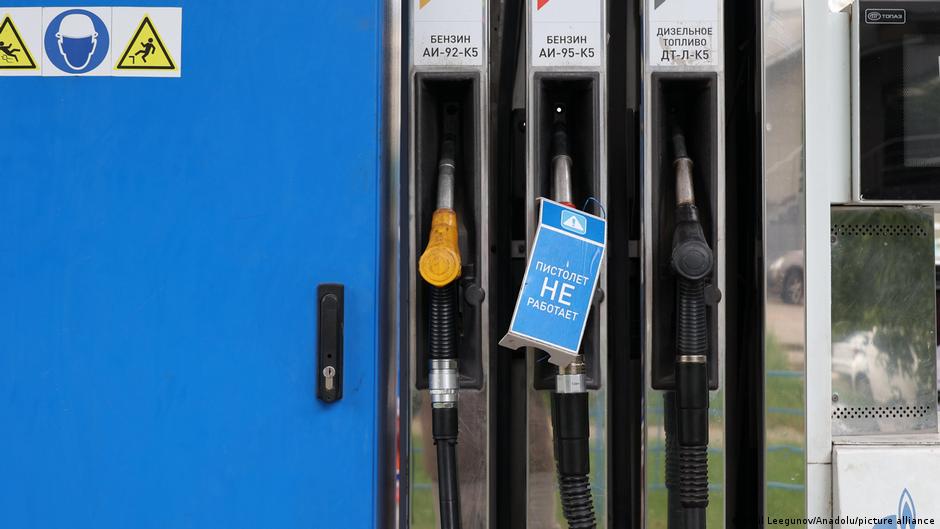
The Russian government has authorized the continued production and sale of lower ecological class fuels — specifically Euro-2, Euro-3, and Euro-4 gasoline — until July 1, 2027. This move was announced by the Ministry of Energy as a temporary, crisis-response measure intended to balance fuel quality standards with availability for consumers.
Previously, regulations mandated higher ecological standards for fuels, including the Euro-5 class. However, the government revoked earlier provisions permitting Euro-5 gasoline with elevated sulfur content until the end of 2026, indicating a strategic shift to prioritize fuel supply stability.
Background and Market Impact
The decision comes amid a deepening fuel supply crisis triggered by ongoing military strikes targeting Russian oil refineries and energy infrastructure. Notably, the Moscow-based Kapotnya refinery, responsible for approximately 40% of the capital’s fuel supply, was struck twice within a week in late May, effectively shutting it down until late 2026 or early 2027.
According to Reuters, gasoline production in Russia fell by 25% in June 2026 compared to the same month in 2025, dropping to 85,000 tons per day against a summertime demand of around 110,000 tons daily. As a result, fuel sales restrictions have been implemented in more than 40 regions nationwide.
"The temporary authorization of lower-grade fuels allows for the utilization of crude oil without deep refining and engages facilities incapable of producing higher-quality fuels," said Dmitry Prokofiev, Communications Director at NEFT Research.
Switching to lower ecological standards simplifies production processes and can potentially increase gasoline output by several hundred thousand tons monthly. However, experts caution that this increase may not fully offset the shortfall caused by refinery shutdowns. Furthermore, using fuels of these lower standards may pose safety risks for many modern vehicles.
The Ministry of Energy has committed to clearly displaying fuel ecological class information at filling stations to ensure transparency for consumers. The policy is explicitly described as a temporary, anti-crisis measure designed to reconcile the need for fuel quality with the imperative of maintaining supply under challenging conditions.
Financial and Investor Implications
For energy companies and investors, this regulatory adjustment signals a shift in operational priorities amid geopolitical and infrastructural challenges. Refineries must adapt to altered production standards, potentially affecting capital expenditures and operational costs. The use of lower-grade fuels may influence downstream revenues, given changes in product mixes and potential shifts in consumer demand or vehicle compatibility.
Additionally, the extended shutdown of key refining assets like Kapotnya impacts the overall refining sector's balance sheets, with prolonged capacity outages potentially leading to revenue declines and increased pressure on working capital. Investors should monitor how companies manage these disruptions, including potential government support measures or investments in upgrading remaining facilities.
In summary, while the relaxation of ecological fuel standards provides a short-term remedy to the supply crisis, it introduces new risks and considerations in operational performance and financial metrics within Russia's fuel sector.