Russia Eases Citizenship Rules for Transnistrian Residents Amid Strategic Interests
Russian presidential decree simplifies citizenship application for residents of unrecognized Transnistria, removing language and history exam requirements.
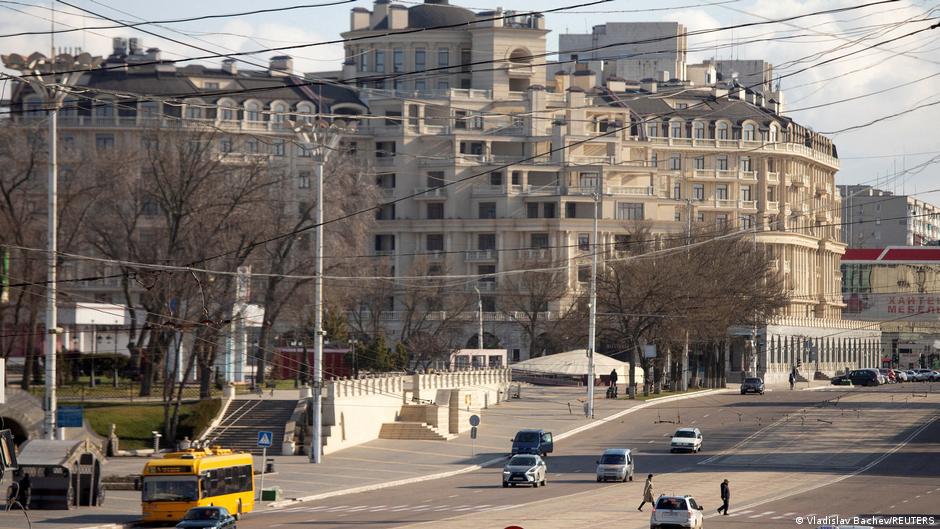
Russian President Vladimir Putin has signed a decree that significantly simplifies the process for residents of the unrecognized Transnistrian Moldovan Republic (PMR) to obtain Russian citizenship. The new regulations, published on the Russian government's official legal portal on May 15, eliminate the need for applicants to pass exams in the Russian language and history.
Financial and Strategic Implications of Citizenship Simplification
The decree allows all adult residents of Transnistria to apply for Russian passports without fulfilling several previous criteria, streamlining access to Russian legal status. Furthermore, Russian passports can now be issued to orphans in Transnistria upon requests from their guardians.
Transnistria, located on the eastern bank of the Dniester River within Moldova’s internationally recognized borders, declared independence in 1990. However, this self-proclaimed republic remains unrecognized by all United Nations member states. The region hosts a Russian operational military group, underscoring Moscow’s sustained strategic interest.
"More than 220,000 Russian citizens reside in Transnistria," stated Russian Security Council Secretary Sergey Shoigu in April, reflecting a substantial presence within the region’s estimated population of 470,000.
From a financial reporting perspective, easing citizenship requirements could enhance Russia’s demographic and economic footprint in the region, potentially impacting cross-border economic activity and influencing investor relations concerning geopolitical risks. The decree may also signal Moscow’s intent to deepen integration with the Transnistrian economy, possibly affecting future bilateral trade, investment flows, and balance sheet considerations for companies operating in or with ties to the region.
Investors monitoring Russian geopolitical maneuvers should consider these developments in their risk assessments, as increased citizenship issuance may lead to tighter economic and political alignment between Transnistria and Russia, potentially affecting sanctions exposure, currency stability, and regional financial metrics.
The simplification of citizenship acquisition aligns with broader Russian policy trends aimed at consolidating influence in contested post-Soviet spaces, which can have tangible implications for financial markets and investor confidence in the region.