Russia Reduces Drone and Missile Strikes on Ukraine in June, Signaling Possible Shift in Military Operations
June saw a 29% drop in Russian drone strikes and a 15% decrease in missile attacks on Ukraine compared to May, indicating potential impacts on defense supply chains and conflict dynamics.
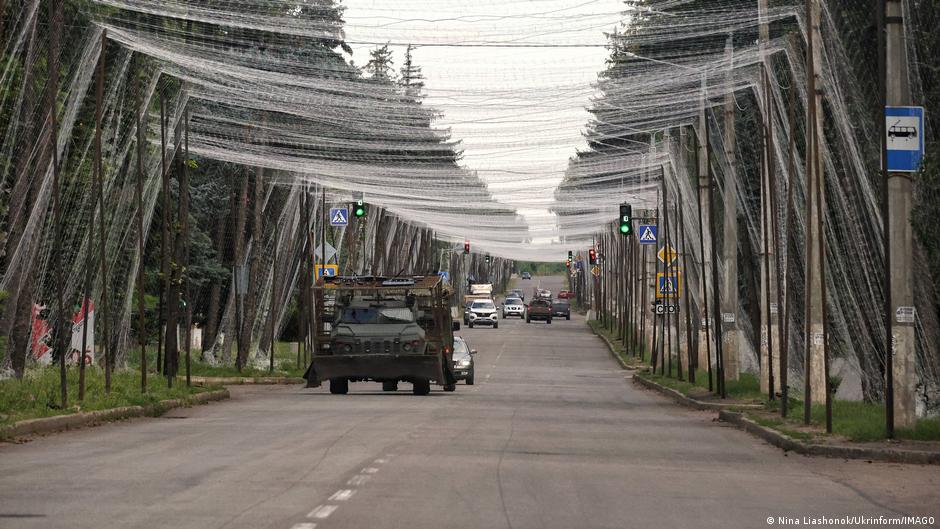
In June, Russia significantly reduced its drone and missile strikes on Ukraine compared to May, according to data analyzed from the Ukrainian Air Force and reported by international news agency AFP. This reduction, while notable, may not yet represent a definitive trend in the ongoing conflict.
Decrease in Strikes Highlights Potential Supply Chain or Strategic Adjustments
Statistics show that in June, Russia launched approximately 5,749 drone strikes and 180 missile attacks on Ukrainian targets. This marks a 29% decline in drone usage and a 15% decrease in missile strikes relative to May, when Russian forces executed a record 8,150 drone attacks and 211 missile launches—the highest monthly totals since the full-scale invasion began in February 2022.
Analysts consulted by AFP, including Ukrainian and French experts, caution against interpreting this downturn as a sustained shift. Some suggest it might reflect a temporary pause as Russia prepares stockpiles ahead of potential intensified operations in autumn. Others hypothesize that the lowered strike figures could be symptomatic of strained military-industrial capacity or disruptions in supply lines, particularly involving Iranian Shahed drones amid diplomatic tensions with the United States and Israel.
"The decrease in June may be a tactical pause rather than a strategic shift, as Moscow’s approach to combat operations remains unchanged," noted one defense analyst.
Ukrainian Counterstrikes Target Energy and Defense Sectors
Concurrently, Ukraine has intensified its own offensive measures, primarily targeting Russian energy infrastructure. These strikes have focused on oil refineries, fuel depots, and ports, contributing to significant fuel shortages within Russia. The Ukrainian military also claims to have targeted defense industry facilities, including the Voronezh semiconductor plant, which produces electronics used in Iskander missiles.
From a financial perspective, these developments could have far-reaching implications. The reduction in Russian drone and missile attacks may reflect operational adjustments with potential impacts on military procurement and logistics costs. For investors and analysts monitoring defense sector equities and geopolitical risk, the evolving conflict dynamics underscore the importance of closely tracking supply chain disruptions and production capacity within Russia’s military-industrial complex.
Additionally, Ukraine’s focus on crippling Russia’s energy infrastructure could strain Russian industrial output and economic resilience, influencing broader market sentiments and regional stability.
While it is too early to determine if this decline in offensive actions signals a long-term trend, ongoing monitoring of military activity and associated economic indicators will remain crucial for stakeholders assessing risk and opportunity in Eastern European geopolitical affairs.