Russia Suspends Shipping on Azov-Don Canal Following UAV Attacks, Disrupting Grain Exports
Russian authorities have indefinitely halted vessel transit through the Azov-Don canal after Ukrainian drone strikes targeted multiple ships, impacting key grain supply routes.
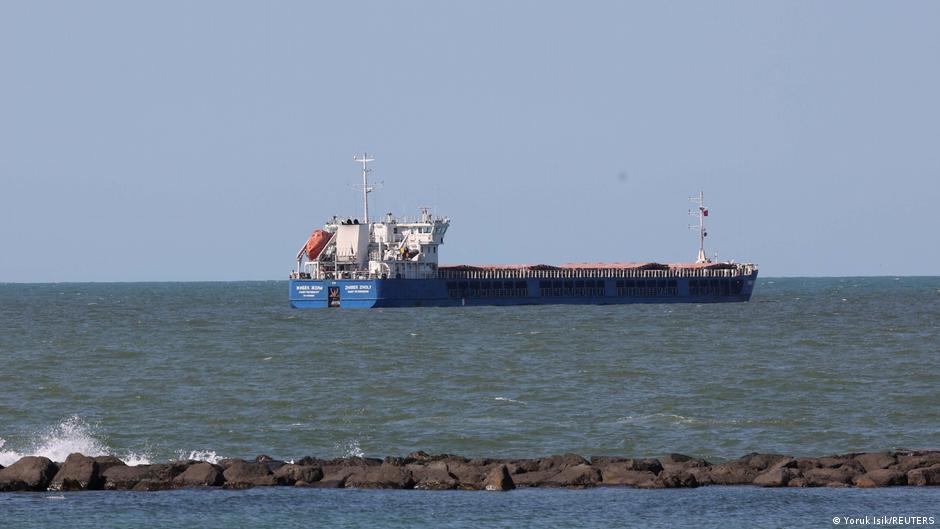
Russian border authorities have announced an indefinite suspension of vessel navigation through the Azov-Don canal, a critical maritime channel linking the Don River with the Sea of Azov, following a series of attacks by Ukrainian unmanned aerial vehicles (UAVs) on shipping in the region. This move, reported on July 10, 2023, signals escalating tensions that could disrupt grain exports and regional trade flows.
Impact on Maritime Traffic and Grain Export Logistics
The Federal Security Service-controlled Border Service of Russia has reportedly ceased accepting requests for ship passages through the canal without specifying a timeline for resumption. According to sources familiar with Russian grain export operations, this channel is vital for transporting agricultural commodities, especially grain, from Russia's Rostov and Krasnodar regions—two leading grain-producing areas—to Black Sea ports for export.
Additionally, navigation through the Kerch Strait, which connects the Black Sea to the Sea of Azov, has been temporarily suspended, further constraining shipping corridors in the region. The Russian Ministries of Agriculture and Transport have not issued comments on these developments.
"The closure of these maritime routes directly challenges the stability of grain supply chains and presents new risks for commodity markets reliant on Russian exports."
Background: UAV Attacks on Vessels in the Sea of Azov
Days prior to the suspension, the Ukrainian Armed Forces publicly reported successful UAV strikes on at least 25 vessels operating in the Sea of Azov. Among the targeted ships, many were oil tankers, with several vessels reportedly struck multiple times. Ukrainian officials identified these tankers as part of Russia's so-called "shadow fleet," subject to international sanctions linked to Russia’s ongoing military actions in Ukraine.
Local Russian officials have confirmed drone strikes affecting multiple tankers within the Taganrog Bay area, though damage was reportedly minor and no major casualties have been disclosed. Russian authorities have largely refrained from commenting on the increased frequency of such attacks.
Financial Market Reactions and Economic Implications
The disruptions to maritime traffic and the potential impact on grain exports have resonated on commodity markets. Following news of the canal closure and UAV attacks, wheat futures on the Euronext exchange surged by over 4% within a single day, marking the highest price level in six weeks as of July 10, 2023.
This price increase underscores the sensitivity of global grain markets to logistical bottlenecks arising from geopolitical conflicts. The Azov-Don canal and adjacent maritime routes are instrumental in Russia's agricultural export infrastructure, and their closure introduces uncertainty for investors and commodity traders monitoring supply stability.
Looking Ahead: Investor Considerations and Supply Chain Risks
With no clear timeline for reopening the Azov-Don canal or Kerch Strait, stakeholders in the grain export sector must brace for potential prolonged disruptions. The suspension not only affects shipping schedules but also has broader implications for Russia's export revenues, shipping companies’ operations, and commodity price volatility.
Investors and analysts are advised to monitor developments closely, as further escalations or extended closures could materially impact financial results for companies engaged in maritime logistics and grain export trading.