Russian Drone Incident in Romania Raises Regional Security and Economic Concerns
A Russian drone crash in Romania sparks fire and injuries, highlighting risks to regional stability and economic infrastructure.
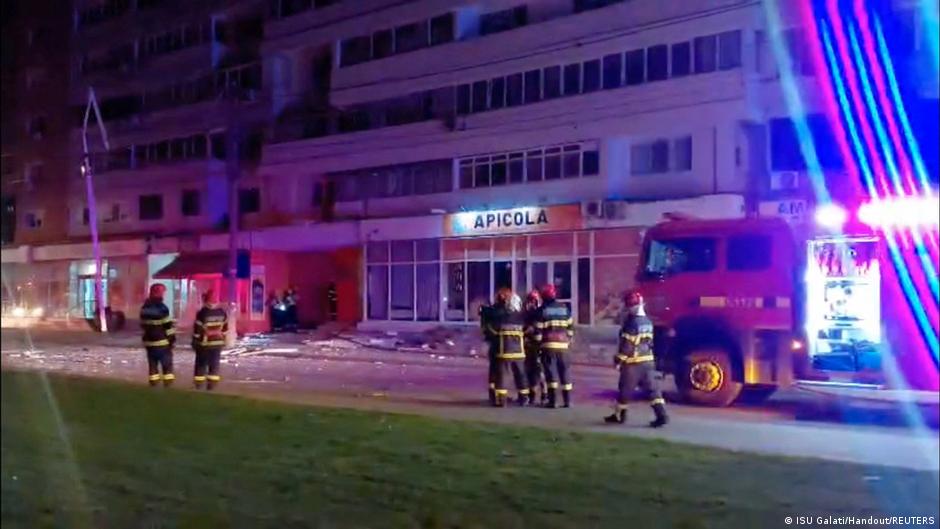
In a notable escalation of regional tensions, a Russian unmanned aerial vehicle (UAV) crashed onto the roof of a multi-story residential building in Galați, Romania, during the night of May 29. The incident resulted in a fire on the 10th floor and injuries to two individuals who received immediate medical attention.
The Romanian Ministry of Defense confirmed the drone's Russian origin, marking a significant development outside the direct conflict zones in Ukraine. The emergency response authorities reported that the drone’s entire explosive payload detonated upon impact. Approximately 70 residents were evacuated safely, and the fire was quickly extinguished, preventing further casualties or structural damage.
Implications for Regional Security and Economic Stability
The drone crash coincided with a series of attacks by Russian UAVs targeting the port district of Izmail in Ukraine's Odesa region. Izmail is a critical economic hub on the Danube River, close to the Romanian border, and serves as one of Ukraine’s largest ports. The strategic targeting of this infrastructure underscores the ongoing vulnerability of key transport and trade nodes amid the conflict.
"The incident in Romania represents a concerning spillover of the conflict, potentially affecting regional investor confidence and economic stability," experts note.
From a financial perspective, the attacks on Ukrainian ports threaten the flow of goods and commodities, impacting trade volumes and supply chains connected to Europe. The drone crash in Romania could prompt increased scrutiny of security measures across border regions and influence investment decisions regarding infrastructure and risk management.
Investors will be closely monitoring the aftermath, including the Romanian government’s response and possible shifts in defense spending or cross-border cooperation frameworks. The incident illustrates how geopolitical conflicts can extend their impact beyond immediate combat zones, influencing economic environments in neighboring countries.
As the situation develops, stakeholders in the transportation, logistics, and infrastructure sectors should assess risk mitigation strategies. Enhanced security protocols and contingency planning may become necessary to safeguard critical assets and maintain investor confidence amid ongoing uncertainties.