Russian Government Proposes Expanding Criminal Offenses Eligible for Military Contracts
New bill seeks to broaden eligibility for Ministry of Defense contracts to convicts of serious crimes amid recruitment challenges.
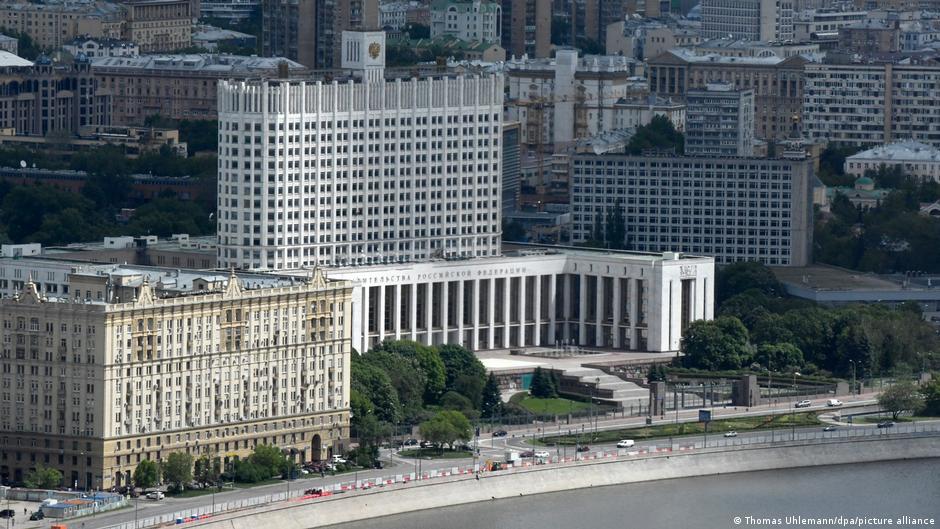
The Russian government has submitted a bill to the State Duma proposing an expansion of the list of criminal offenses that allow convicts to sign contracts with the Ministry of Defense during mobilization, martial law, and wartime. The move aims to bolster military recruitment amid ongoing challenges.
Details of the Proposed Legislative Changes
The draft law, published on the State Duma’s website on July 17, 2023, seeks to amend Article 34 of the Federal Law “On Military Duty and Military Service” and Article 78 of the Criminal Code. It would permit individuals convicted under a range of serious criminal charges to enlist under contract with the military.
Among the offenses newly included are participation in banditry (part 2 of article 209 of the Criminal Code), involvement in organized crime (part 2 of article 210), drug smuggling (article 229.1, excluding the most severe organized group cases), illegal migration facilitation by groups (part 2 of article 322.1), illegal acquisition and storage of nuclear and radioactive materials (parts 1 and 2 of article 220), theft or extortion of nuclear materials (part 1 of article 221), smuggling of cash (article 200.1), and loss of documents containing state secrets (article 284).
“The adoption of the bill will not result in negative socio-economic, financial, or other consequences and will not adversely affect the achievement of state program goals,” the explanatory note states.
This legislative initiative is viewed as a response to the difficulties faced by Russian military recruitment efforts, seeking to expand the pool of eligible contract soldiers during ongoing military operations.
Context: Recruitment Challenges and Recent Measures
In recent months, Russian authorities have implemented new measures to increase enlistment under contract. In late May, President Vladimir Putin extended a law providing debt forgiveness for new contract recruits. Recruitment efforts have included offering positions related to support roles in Belarus and China, as well as reported raids by military enlistment offices in the Penza region to compel men to sign contracts with the Ministry of Defense.
Additionally, the Higher School of Economics has promised to fund the education of applicants who sign military contracts through the university to serve in units such as the "BARS" detachment or drone troops. Media reports have also increasingly discussed the possibility of a new mobilization phase.
Partial mobilization was conducted from late September to early October 2022. In January 2023, a response from the presidential administration confirmed that the decree enabling partial mobilization remains in effect, primarily because it regulates other necessary military measures.
Presidential spokesperson Dmitry Peskov explained that the decree continues to govern various military obligations and related activities, stating, "In this respect, the decree remains valid." This underscores the ongoing nature of Russia’s military staffing strategies amid the conflict in Ukraine.