US Military Strikes Target Iranian Infrastructure Amid Escalating Tensions
US forces conduct multiple strikes on Iranian military and civilian infrastructure, prompting Iranian retaliatory actions and regional security concerns.
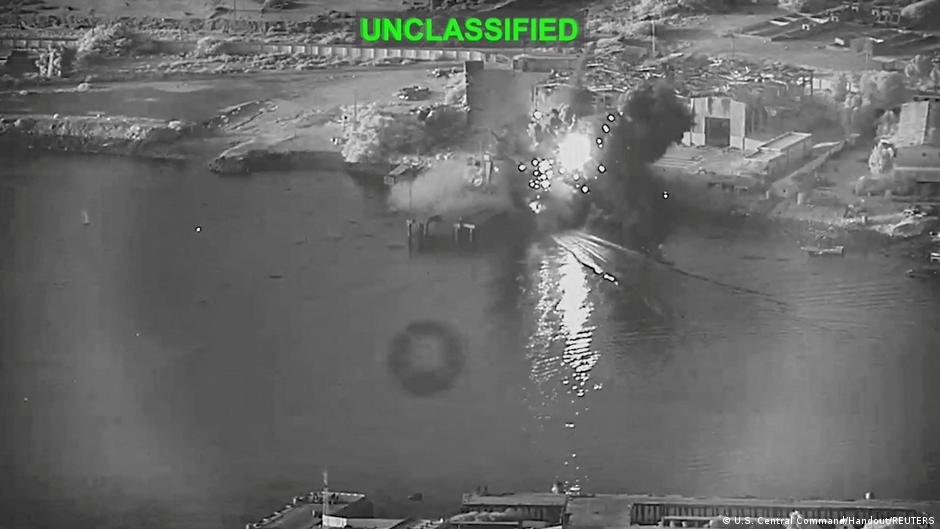
The United States launched a series of airstrikes targeting critical Iranian infrastructure aimed at further degrading the country's military capabilities. The strikes, reported on July 16, targeted bridges, airports, and energy facilities, resulting in casualties and raising regional security alarms.
Details of the US Airstrikes and Iranian Response
According to official US Central Command (CENTCOM) statements, the air campaign began at 20:00 Berlin time on July 16 and marks the sixth consecutive night of sustained US military operations against Iran. The strikes focused on weakening Iran's military potential, reflecting ongoing tensions in the region.
Conversely, Iranian state media, including Press TV, reported that the attacks impacted civilian infrastructure, such as three bridges in the Hormozgan coastal province, a residential area in the port city of Bandar Abbas, and an electrical substation on Kish Island in the Persian Gulf. Additionally, explosions were reported near airports in Bandar Abbas and Iranshahr. Notably, blasts were also reported in Bushehr, home to Iran's sole civilian nuclear power plant.
Press TV cited casualty figures indicating three fatalities and 15 injuries resulting from the strikes.
"The attacks are intended to further weaken Iran's military potential," said CENTCOM representatives, underscoring the strategic nature of the strikes.
In retaliation, Iran's Islamic Revolutionary Guard Corps (IRGC), alongside the regular army, announced counterattacks targeting US military assets in the region. Iranian media, referencing military sources, detailed drone assaults on US helicopters and reconnaissance aircraft stationed at Bahrain's Sakhir Air Base.
Regional security developments included Kuwaiti air defense forces actively intercepting Iranian missile and drone attacks, while Bahrain authorities activated civil defense sirens signaling imminent threats.
Implications for Regional Stability and Investor Confidence
The ongoing hostilities between the US and Iran significantly impact the geopolitical landscape surrounding the Strait of Hormuz, a critical chokepoint for global oil shipments. Recent events follow a June 17 framework agreement aimed at ceasing hostilities and lifting the blockade on the strait. However, escalation resumed after a kamikaze drone attack on a commercial tanker on June 25, which the US subsequently responded to with targeted strikes.
US President Donald Trump declared the memorandum void during a NATO summit on July 8, asserting US control over the Strait of Hormuz by July 13. Trump’s administration warned that military operations would continue until satisfactory terms are met, including threats to strike Iranian power plants and bridges if diplomatic resolutions fail.
For investors and multinational corporations, the intensification of military actions adds substantial risk to operations and investments in the Middle East, particularly in energy sectors reliant on the stability of the Persian Gulf shipping routes. Heightened risk premiums, volatile oil prices, and disrupted supply chains may affect quarterly financial results for energy companies and related industries.
Financial Metrics and Forward Outlook
Energy markets have responded to the escalation with increased volatility, reflecting concerns over supply stability. Companies with exposure to Middle Eastern oil exports may experience increased costs for insurance and logistics, impacting balance sheets and profit margins. Investor relations teams are likely monitoring these developments closely to assess potential impacts on earnings forecasts and market valuations.
Continued military confrontations threaten to undermine regional infrastructure, further complicating recovery and investment plans. Stakeholders in defense, energy, and transportation sectors should prepare for potential disruptions and reassess risk management strategies accordingly.