Russian Military Strike Causes Power Outage and Fire in Zaporizhzhia Amid Ongoing Conflict
A Russian attack on Zaporizhzhia has led to a partial electricity blackout and fire, impacting local infrastructure and raising security concerns.
Zaporizhzhia experienced a significant disruption following a recent military strike by Russian forces, resulting in a fire and the partial loss of electrical power in one of the city's districts. Ivan Fedorov, head of the Zaporizhzhia Regional Military Administration, confirmed the incident and ongoing efforts to restore power.
Impact on Infrastructure and Services
The attack, which occurred overnight on June 7, triggered a fire that emergency response teams promptly addressed. Due to the strike, a portion of the district remains without electricity. Energy workers have been deployed to repair the damage and reinstate power supply to consumers as quickly as possible.
Local authorities had issued prior warnings about the potential use of guided aerial bombs and ballistic missile strikes in the region, underscoring the heightened security risks facing the area.
"Energy workers are actively restoring electrical services to the affected district following the strike," stated Ivan Fedorov, emphasizing ongoing recovery operations.
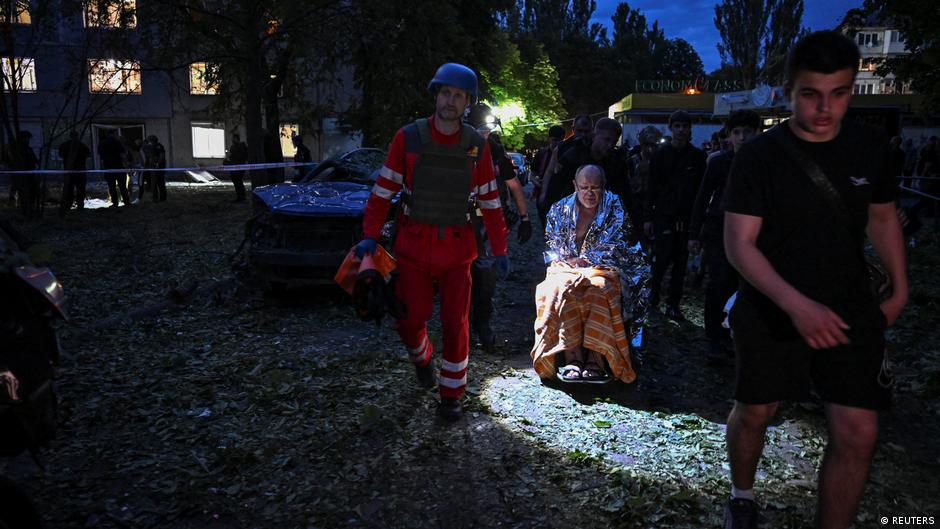
This assault follows a previous Russian drone attack on June 4 that targeted a residential area in Zaporizhzhia, inflicting damage on a multi-story apartment building and nearby vehicles. That earlier attack resulted in the death of a 44-year-old woman and caused injuries to 16 others, highlighting the continuing humanitarian toll of the conflict.
Financial and Economic Considerations
While immediate human and infrastructural impacts are evident, such military actions also carry significant financial implications. The disruption to utilities like electricity hampers local businesses and residential life, potentially affecting regional economic stability and investor confidence. The cost of emergency repairs and infrastructure rehabilitation may strain municipal budgets and divert resources from development projects.
For stakeholders and investors monitoring the region, these events illustrate the persistent risks posed by ongoing hostilities. The unpredictability of such attacks can influence market sentiment and complicate financial planning for enterprises operating within or near conflict zones.