Russia's June 2nd Missile Strikes on Ukraine Cause Civilian Casualties and Infrastructure Damage
Massive Russian missile and drone attacks on Ukrainian cities resulted in fatalities, injuries, and power outages, escalating conflict risks.
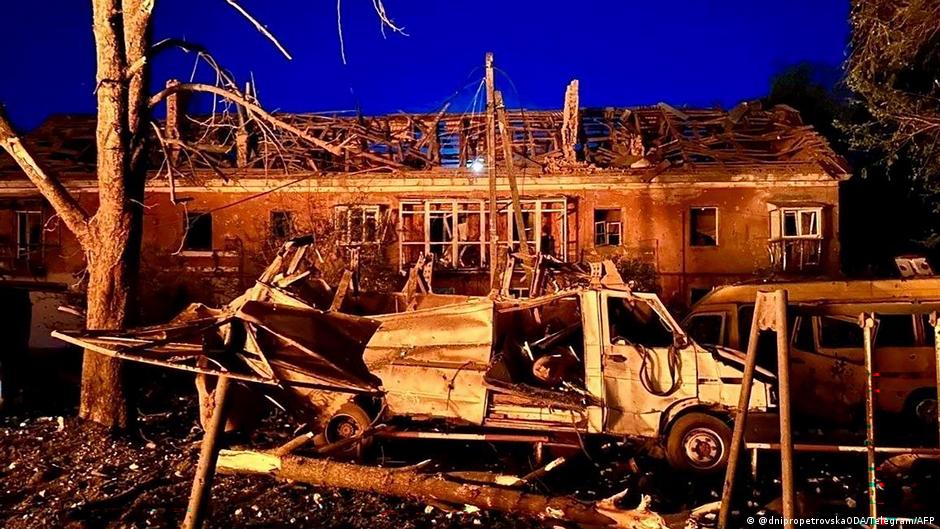
In the early hours of June 2, Russia launched a series of coordinated missile and drone strikes against multiple Ukrainian cities, leading to significant civilian casualties and infrastructure damage. According to reports from Ukraine's Air Force, the Russian military deployed "Kalibr" cruise missiles from the Caspian Sea, intensifying hostilities amid rising tensions following recent developments in eastern Ukraine.
Casualties and Damage Across Key Ukrainian Cities
Kyiv, the capital, bore the brunt of the assault with four confirmed deaths and 51 injuries, of which 35 required hospitalization. Vitali Klitschko, Kyiv's mayor, reported that three city districts experienced power outages due to the strikes. Additionally, debris from a downed missile fell onto a residential roof in the Podilskyi district, igniting a fire and shattering windows, according to Timur Tkachenko, head of Kyiv's military administration.
In Dnipro, five fatalities were recorded, including a 73-year-old woman, alongside 25 injuries, as stated by Alexander Ganja, head of the local regional military administration. One missile struck a residential area, causing a fire and further exacerbating civilian risks.
Kharkiv faced attacks that resulted in six injuries, including an 11-year-old girl, per reports from Igor Terekhov, the city's local military administration head. Authorities continue to monitor and document falling missile and drone debris across urban areas, with casualty and damage figures still being updated.
"The recent attacks underline an escalation in Russia's military tactics, with increased use of cruise missiles targeting civilian centers," noted a defense analyst.
Political Context and Implications for Conflict Dynamics
The attacks follow Russian President Vladimir Putin's statement on June 1, asserting that a Ukrainian strike on the annexed Luhansk region had "given the war a new quality." This Ukrainian strike partially destroyed a local college and reportedly resulted in the deaths of 21 students, according to occupation authorities.
Ukrainian President Volodymyr Zelensky had earlier warned of a potential large-scale Russian retaliatory attack on Ukrainian cities. The latest missile barrage confirms these warnings, raising significant concerns about civilian safety and escalating hostilities.
These developments come in the wake of a major Russian missile strike on Kyiv and its surrounding region on May 24, which killed two and injured 80, marking Russia's third use of the "Oreshnik" missile type in the conflict.
From a financial perspective, the sustained attacks impose serious challenges to Ukraine's economic stability. The destruction of infrastructure, disruption of power supplies, and civilian casualties contribute to increased costs in emergency response, reconstruction, and medical care. Investor confidence may be impacted by the heightened conflict risks, while Ukraine's government faces mounting fiscal pressures to sustain defense and humanitarian efforts.
Monitoring these developments remains crucial for stakeholders assessing the evolving geopolitical landscape and its implications on Ukraine’s economic resilience and recovery prospects.