Trump Cancels Planned Strikes on Iran Amid Progress in Peace Negotiations
US President Donald Trump halts military actions following promising talks with Iran and allied nations.
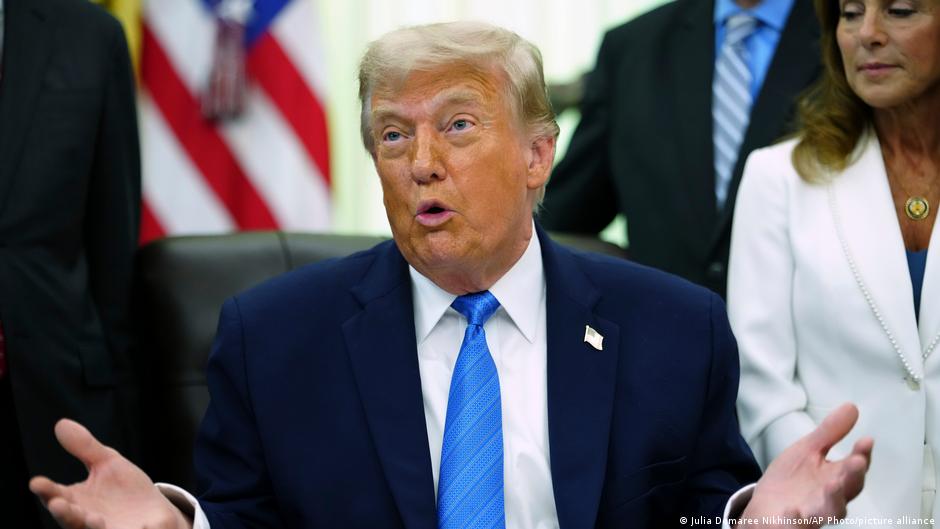
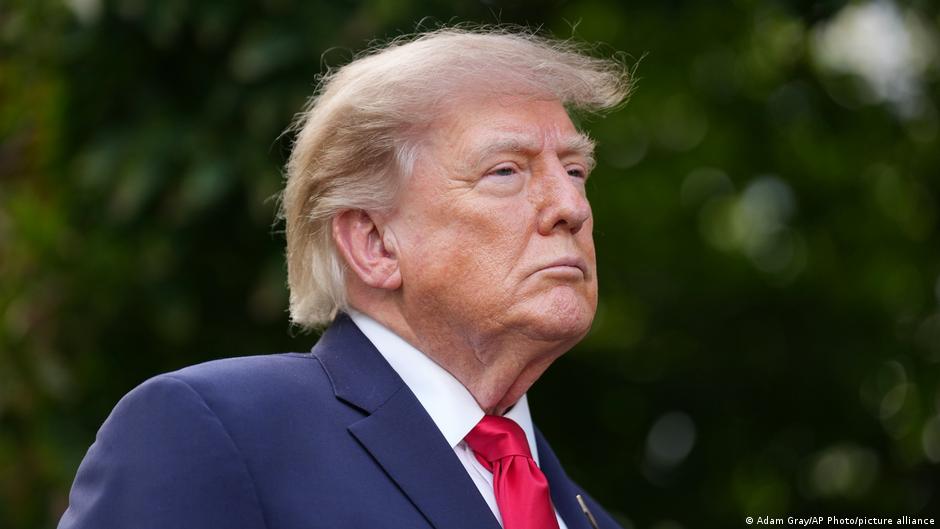
US President Donald Trump announced the cancellation of planned airstrikes against Iran scheduled for June 11, citing significant progress in high-level negotiations with Iranian leadership. The development marks a potential de-escalation in military tensions and opens the door for a near-term peace agreement that involves several regional stakeholders.
Financial and Geopolitical Implications of the Ceasefire
Trump communicated via his social media platform, Truth Social, that the discussions with Iran's top leadership had reached a level of approval sufficient to halt the planned bombardments. He also emphasized that the final terms of the deal have been agreed upon by all involved parties, including Israel, Saudi Arabia, the United Arab Emirates, Qatar, Turkey, Pakistan, Bahrain, Kuwait, Jordan, Egypt, and others.
"The maritime blockade will remain fully in effect until the agreement is finalized, with the time and location of signing to be announced soon," Trump added. The prospective agreement could have substantial ramifications for global energy markets, particularly the oil sector, as it promises to reopen the strategically vital Strait of Hormuz, a critical artery for international oil shipments.
"The agreement will ensure that Iran never acquires nuclear weapons, and the Strait of Hormuz will be reopened," Trump stated, highlighting the deal's potential to stabilize regional energy supplies.
While the president is expected to miss the signing ceremony due to his 80th birthday on June 14, Vice President J.D. Vance will represent the US at the event, potentially scheduled in Europe over the coming weekend.
Military Actions and Negotiation Dynamics
Earlier on June 11, Trump had indicated a preference for seizing Iran’s key oil hub on Khark Island, though he expressed uncertainty about the resolve within the US to carry out such an operation. He also signaled plans for "new, larger, and more powerful strikes," while expressing reluctance to target civilian infrastructure such as bridges and power plants.
Despite the progress, Iranian officials have not yet ratified the deal. Esmail Bagai, spokesman for Iran's Ministry of Foreign Affairs, stated that the country has not reached a final decision on the agreement. Additionally, Mohammad Baqer Qalibaf, speaker of the Iranian parliament and a negotiator, warned that impulsive US actions could lead to prolonged conflict, hinting at a tougher Iranian stance if negotiations falter.
Recent Military Escalations and Regional Reactions
The US military resumed strikes against targets in Iran on June 10, a response to what CENTCOM described as "unjustified and ongoing Iranian aggression." Defense Secretary Pete Hegseth stressed that the strikes aim to create a conducive environment for the peace deal rather than to rekindle conflict.
Following these strikes, Iran reportedly launched retaliatory attacks on US military bases in the Persian Gulf and Jordan, employing ballistic missiles. The conflict triggered air defense alerts and sirens in Kuwait and Bahrain. Iran also reasserted a full closure of the Strait of Hormuz, warning that any vessel attempting to navigate the passage would face attack, further exacerbating fears of disruptions to global oil supply chains.
Investor and Market Considerations
The potential resolution of hostilities between the US and Iran is likely to have profound impacts on global financial markets, particularly in the energy sector. The reopening of the Strait of Hormuz would restore a major export route for Iranian oil, potentially easing supply concerns and stabilizing prices. Investors and market analysts will closely monitor the finalization of the agreement and any subsequent shifts in military posture, as these factors will influence oil prices, regional security premiums, and broader geopolitical risk assessments.
Furthermore, the involvement of multiple regional players in the negotiation suggests a concerted effort toward stabilizing the Middle East, which could encourage foreign investment and economic cooperation in the region. However, the current uncertainty and the possibility of renewed escalations underscore the need for cautious optimism among investors and policy makers.