Ukrainian President Reports Russia Plans Expanded Military Mobilization in Fall 2026
Volodymyr Zelensky warns of Russia's intention to increase troop conscription and receive North Korean soldiers amid ongoing conflict.
Russia's Military Mobilization Plans and Financial Implications
Ukrainian President Volodymyr Zelensky has publicly revealed intelligence indicating that Russia intends to significantly expand its military mobilization in the autumn of 2026. According to Zelensky, the Russian government is also preparing to incorporate an additional 30,000 soldiers from North Korea, highlighting sustained efforts to bolster its military forces amid ongoing conflict.
The exact scope and definition of the "expanded mobilization" have not been detailed by Ukrainian officials, but Zelensky emphasized the seriousness of the developments. He suggested that Russian President Vladimir Putin is preparing to conscript new Russian citizens into military service under different terminologies or signals to obscure the scale of recruitment.
"It is important that we, together with our partners, exert enough pressure on Russia so that thoughts of ending this aggression prevail over plans for additional mobilization," Zelensky stated.
The planned infusion of North Korean soldiers and military technology marks a significant development in Russia's approach. Zelensky noted that North Korea is preparing to send not only troops but also new ballistic missile launcher systems to Russia. This growing military cooperation poses a strategic threat, particularly to countries in Asia within the range of North Korean missiles.
Financially, these developments pose notable consequences for Russia's defense budgeting and economic stability. Expanding mobilization efforts and importing foreign troops and weapons systems are likely to increase military expenditures substantially. This could exacerbate budgetary pressures amid ongoing sanctions and economic challenges faced by Russia.
Context and Historical Mobilization Efforts
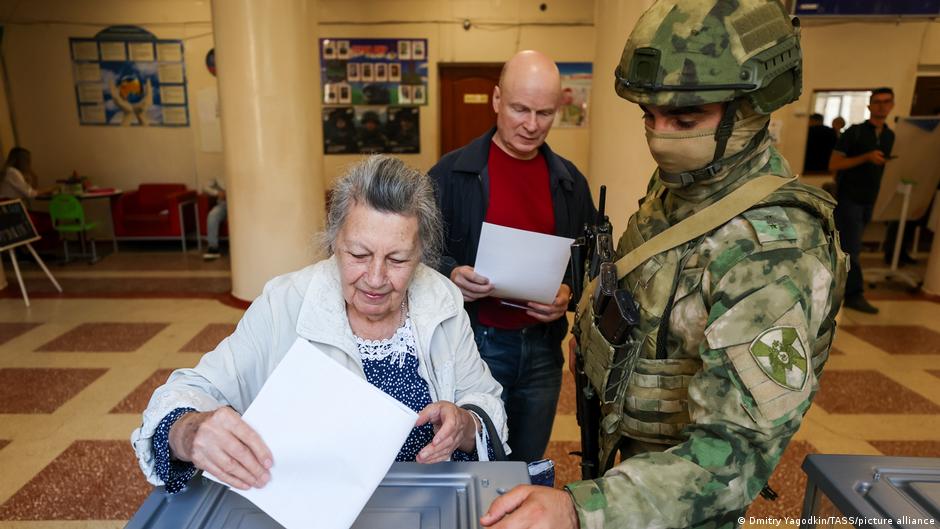
Russia previously implemented a "partial mobilization" from late September to early October 2022. Despite official claims that the partial mobilization order remains active, as clarified by Russian presidential administration responses and statements from Kremlin spokesman Dmitry Peskov, the full extent of mobilization efforts has varied.
Zelensky also highlighted that Russia is currently experiencing higher military personnel losses on the frontline than recruitment rates, which may be driving the push for expanded conscription. He predicted an escalation in Russian military operations alongside this mobilization expansion, implying a potentially prolonged conflict and increased military spending.
For investors and analysts, these developments suggest heightened geopolitical risks impacting markets and regional stability. Russia's increased military expenditures may strain public finances, affect currency stability, and influence foreign investment decisions. Furthermore, the international response and potential sanctions tightening could further complicate Russia's economic outlook.
Monitoring Russia's defense sector budgets, procurement activities, and mobilization policies will be critical for financial stakeholders seeking to evaluate the country’s fiscal health and associated risks in the coming quarters.