Regional Authorities Report Civilian Casualties Amid Drone Attacks in Russia-Ukraine Conflict
Drone strikes result in civilian injuries and fatalities in Belgorod and Rostov regions as military exchanges continue.
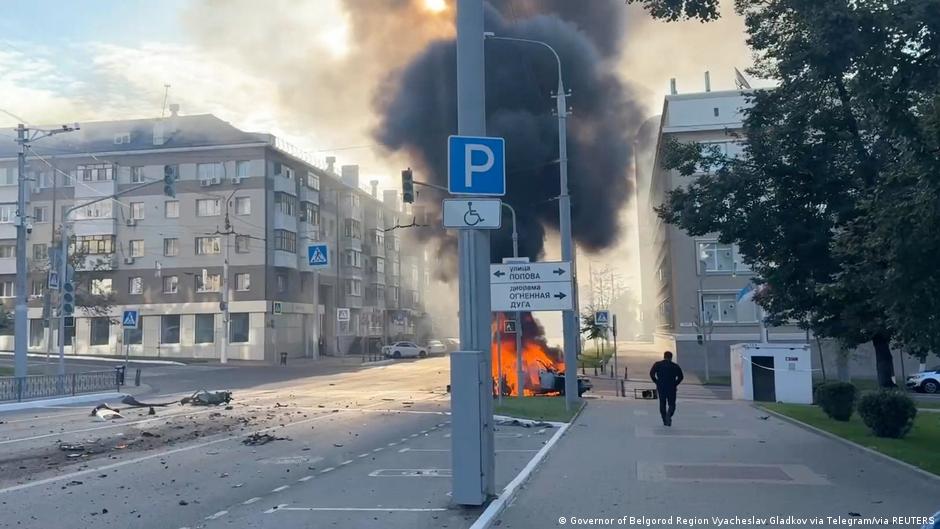
According to regional authorities in Russia, recent drone attacks attributed to Ukrainian forces have caused civilian casualties in the Belgorod and Rostov regions. These incidents occurred during ongoing military exchanges involving drone and missile strikes between Russian and Ukrainian forces.
Casualties and Damage in Belgorod and Rostov
Belgorod regional officials reported that 12 civilians were injured in a mass drone attack overnight on July 27, including two children. The assault led to fires affecting multiple apartments and vehicles. Valentin Demidov, the mayor of Belgorod, confirmed disruptions in two high-rise residential buildings, where essential utilities were temporarily shut down. Some residents have been relocated to temporary shelters due to safety concerns.
Similarly, authorities in the Rostov region documented fatalities and injuries from overnight shelling. Governor Yuri Slyusary announced that a married couple was killed in Rostov-on-Don, while five other individuals sustained injuries.
Continued Military Engagements and Cross-Border Strikes
The Russian military simultaneously conducted extensive drone and missile strikes against targets in Ukraine during the same timeframe. Ukrainian Air Force sources confirmed retaliatory attacks on several Ukrainian regions, including Dnipropetrovsk, Sumy, Chernihiv, Zaporizhzhia, Kharkiv, and Kherson.
"These incidents underscore the escalating humanitarian toll as both sides employ drone and missile technology in cross-border operations," military analysts noted.
The exchange highlights the intensifying use of unmanned aerial vehicles and long-range weapons in the ongoing conflict, raising concerns about civilian safety and regional stability. The impact on infrastructure and the displacement of residents in border regions emphasize the broader financial and social costs of continued hostilities.
Investors and analysts monitoring the region should consider the implications of sustained military engagements on local economies, infrastructure, and public services, which may affect regional development and fiscal stability.