US and Iran Engage in Promising Negotiations Toward Conflict Resolution, Trump Says
President Trump announces progress in US-Iran talks with potential agreement on nuclear disarmament and sanctions.
US-Iran Negotiations Signal Potential Breakthrough
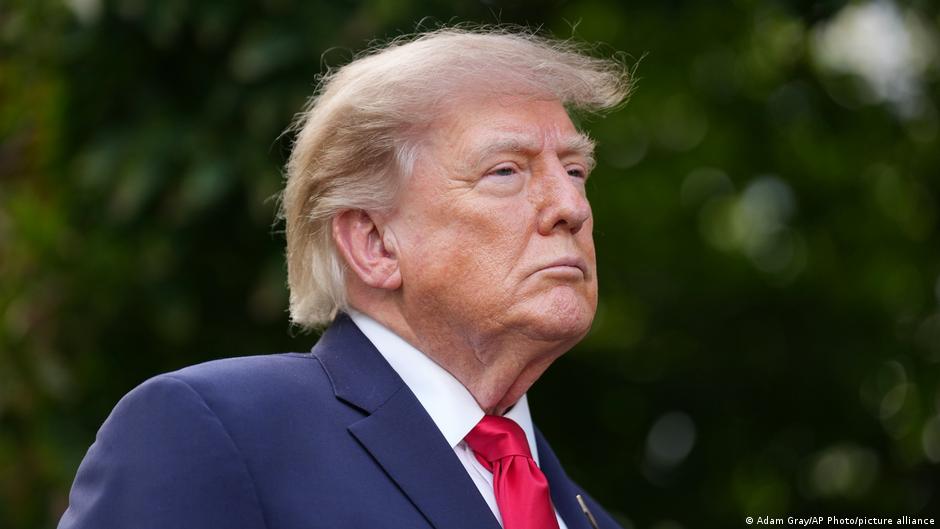
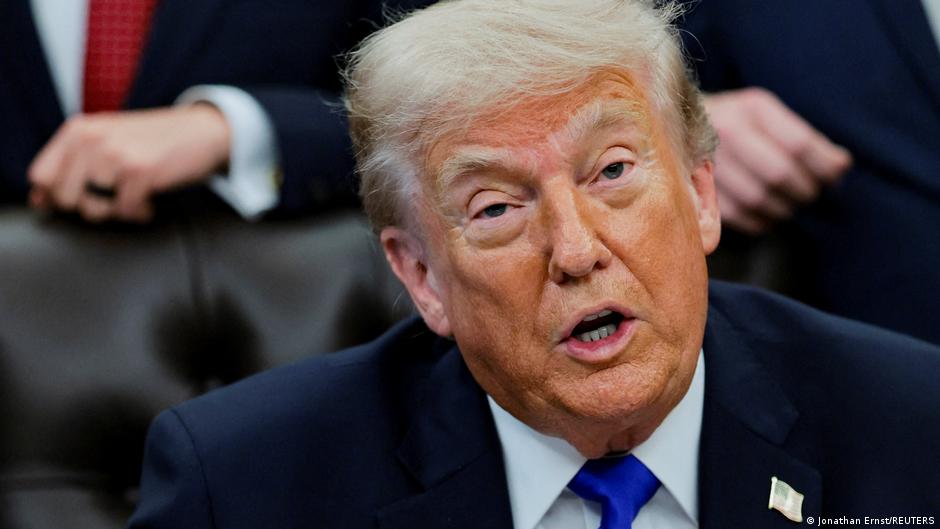
On May 6, President Donald Trump addressed the media from the White House, declaring that the United States has conducted "very good" negotiations with Iran. According to Trump, the parties are "quite possibly" on the verge of finalizing a deal that would end their longstanding conflict.
"Things are going well, and we must get what we need," Trump stated. "If not, we will have to take a much bigger step forward. However, the Iranians want to make a deal," he added, emphasizing ongoing diplomatic momentum. Crucially, Trump confirmed that Tehran has agreed to the primary US demand: the cessation of nuclear weapons development.
"Right now, things are going well, and we must get what we must get. If not, we will have to take a big step further. But they want to make a deal." – President Donald Trump
Despite the positive tone from Washington, Iranian authorities have not yet publicly responded to the US president's statements. However, prior reports from Axios, citing White House sources, indicate that the two countries are close to signing a "one-page memorandum of understanding". This memorandum is intended to serve as a peace agreement and lay the groundwork for further negotiations.
Memorandum Details and Next Steps
The proposed memorandum would initiate a 30-day negotiation period focused on critical issues including the status of the Strait of Hormuz, Iran's nuclear program, and the framework for US sanctions. The White House anticipates Iran's signature on the memorandum by the end of the week, signaling an important milestone in de-escalating tensions.
Iranian officials have reportedly communicated that they are reviewing the US proposal and plan to deliver their response shortly through Pakistan, which is acting as a mediator in these discussions. This ongoing diplomatic channel highlights the complex geopolitical and economic considerations involved, including the potential restoration of trade relations and sanctions relief that could impact global markets.
Financial Implications for Investors
Should a formal agreement be reached, the stabilization of US-Iran relations would likely influence several financial sectors. Oil markets, in particular, could see relief due to decreased risks surrounding the Strait of Hormuz, a vital maritime route for global petroleum shipments. Additionally, companies with exposure to sanctions compliance and Middle Eastern markets may experience shifts in risk profiles and investment valuations.
Investors and analysts will closely monitor the upcoming 30-day negotiation window and the content of any formal agreements. The potential for reduced geopolitical risk and the reopening of economic engagements with Iran could have considerable effects on global supply chains and energy prices, thereby influencing portfolio strategies across multiple asset classes.