US Considers Charging Fees for Passage Through Strait of Hormuz Amid Iran Deal Uncertainty
President Trump threatens to impose fees on Strait of Hormuz transit if Iran agreement fails, highlighting strategic and economic implications.
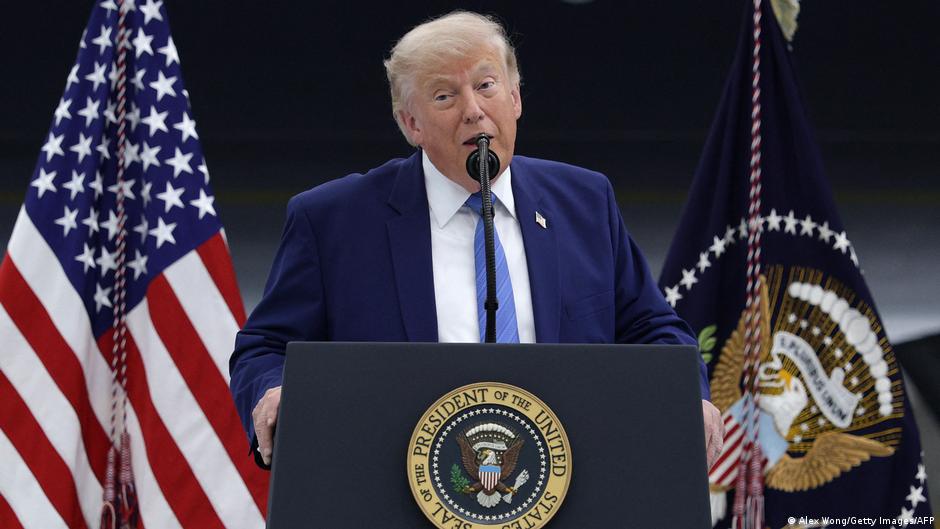
The United States is contemplating the introduction of fees for vessels passing through the Strait of Hormuz if a deal with Iran collapses, President Donald Trump announced on June 20 via his social media platform, Truth Social. This potential levy would serve as compensation for the security services the US provides to Middle Eastern countries, which Trump described as acting as the region's "guardian angel."
During the current ceasefire with Iran, scheduled to last 60 days, Trump assured that no fees would be charged. Furthermore, if the terms of the agreement remain unbroken after this period, the fee regime would continue to be suspended.
Strategic Importance and Economic Impact
The Strait of Hormuz is a critical maritime chokepoint through which significant volumes of global oil transit. Vice President James David Vance highlighted on June 18 that within 24 hours, vessels carrying a combined total of 12.5 million barrels of oil transited the strait — a record volume since the onset of the US-Israel conflict with Iran on February 28.
“This volume underscores the strait’s vital role in global energy supply and the potential economic impact of any disruption or new fees.”
Notably, for two consecutive nights preceding the announcement, Iranian forces refrained from attacking vessels, signaling a temporary de-escalation in tensions.
Escalation and Policy Risks
However, on June 20, Iran declared a new prohibition on vessel passage through the strait, citing retaliatory measures following recent Israeli military strikes in southern Lebanon. Tehran claims these strikes violated the ceasefire memorandum signed with the US on June 17, which called for a cessation of hostilities on all fronts, including Lebanon.
The Iranian military command warned that continued aggression would prompt further actions to compel adversaries to honor their commitments. This development injects uncertainty into the fragile ceasefire and raises risks for the security and throughput of this critical maritime passage.
Financial and Investor Implications
From a financial perspective, the prospect of a US-imposed transit fee could have material effects on the economics of oil transportation, potentially increasing shipping costs and affecting global oil prices. Energy companies, shipping firms, and investors must closely monitor these geopolitical developments as they could impact quarterly earnings, operational costs, and risk assessments.
Moreover, the temporary lifting of the US blockade on the Strait of Hormuz, as announced by the US Central Command on June 18, has facilitated a record flow of oil shipments, providing some relief to global supply chains. Yet, the looming threat of renewed restrictions or fees introduces volatility that market participants need to incorporate into their financial models and strategic planning.
The situation remains fluid, with the balance between maintaining open passage for oil shipments and enforcing geopolitical leverage through fees or blockades poised to influence regional stability and international energy markets.