US Dispatches First Humanitarian Aid Plane to Cuba Amid $100M Assistance Package
The United States initiates distribution of a $100 million humanitarian aid package to Cuba despite ongoing sanctions and geopolitical tensions.
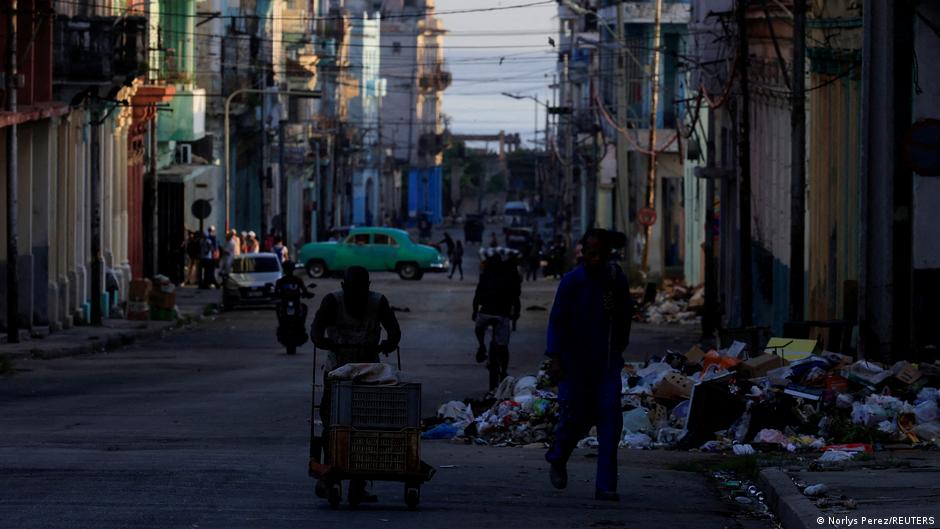
The United States has sent the first airplane carrying humanitarian aid to Cuba, marking the beginning of the distribution of a newly announced $100 million assistance package. This aid, which includes food supplies and hygiene kits for approximately 700 Cuban families, will be delivered directly to the Cuban population through the humanitarian organization Catholic Relief Services, according to statements from the U.S. State Department.
Humanitarian Assistance Amid Sanctions and Strategic Pressure
This new aid initiative contrasts sharply with recent U.S. sanctions targeting Cuban state-owned companies and reports of military planning concerning Cuba. The humanitarian package was originally announced in May by U.S. Secretary of State Marco Rubio, who emphasized the mission's goal of supporting Cuban residents suffering from economic and social hardships.
Washington’s strategy towards Cuba currently involves intensifying economic pressure through financial sanctions and restrictions on oil shipments. However, the delivery of humanitarian aid reflects a nuanced approach to maintaining influence on the island, attempting to alleviate the population's immediate needs without easing the broader sanctions regime.
"The distribution plan leverages trusted Catholic intermediaries to ensure aid reaches those most in need," said a U.S. official.
Previously, the U.S. had collaborated with Catholic Relief Services to deliver $9 million in assistance to Cuban regions affected by Hurricane "Melissa." This ongoing cooperation underscores a preference for channeling aid through non-governmental actors to circumvent political barriers.
Cuban authorities initially reacted skeptically to the assistance offer, accusing the U.S. of causing electrical blackouts and engineered shortages of goods. Nevertheless, following discussions with representatives of President Donald Trump's administration, Havana appears to have accepted the humanitarian aid.
Geopolitical Context and Military Contingencies
In parallel with humanitarian efforts, the Pentagon reportedly continues to evaluate several military scenarios involving Cuba, including a possible deployment of thousands of troops from the 101st Airborne Division. Media reports cite unnamed U.S. officials indicating that while such plans have been under consideration, no final decision has been made.
Defense Secretary Pete Hegseth has publicly acknowledged the potential for military action if Cuba acquires weaponry perceived as a threat to U.S. security. Intelligence reports suggest Cuba has procured over 300 unmanned aerial vehicles (UAVs), which could be used against the U.S. naval base at Guantanamo Bay, American fleet vessels, and Florida territory.
Despite these developments, analysts consider a near-term military operation unlikely, citing substantial U.S. military commitments elsewhere, particularly in the ongoing conflict involving the U.S., Israel, and Iran. The Trump administration reportedly prioritizes economic and diplomatic pressure over direct military engagement in Cuba.
Recent sanctions target five Cuban companies, including three linked to the Grupo de Administración Empresarial S.A. (GAESA), a powerful economic conglomerate controlled by the Revolutionary Armed Forces of Cuba. GAESA reportedly controls about 40% of Cuba's GDP and held liquid reserves of approximately $14.5 billion as of 2024.
Sanctions were also imposed on the spouse of Alejandro Castro, a key figure in Cuba’s national security council and son of former leader Raúl Castro. Cuban Foreign Minister Bruno Rodríguez condemned the new sanctions as "relentless aggression and collective punishment," while denouncing Senator Rubio as "dishonest and deceitful."