US Intelligence Warns of Israeli Efforts to Undermine Iran Nuclear Deal Amid Regional Tensions
Washington intelligence cautions that Israeli Prime Minister Netanyahu may seek to disrupt the US-Iran agreement, complicating ongoing Middle East negotiations.
US intelligence agencies have alerted the Trump administration that Israeli Prime Minister Benjamin Netanyahu is likely to attempt to sabotage the long-term United States agreement with Iran. This assessment highlights Israel's dissatisfaction with the terms of the deal signed on June 17, which aims to ease tensions surrounding Iran's nuclear program and regional activities.
Israeli Concerns and Regional Military Actions
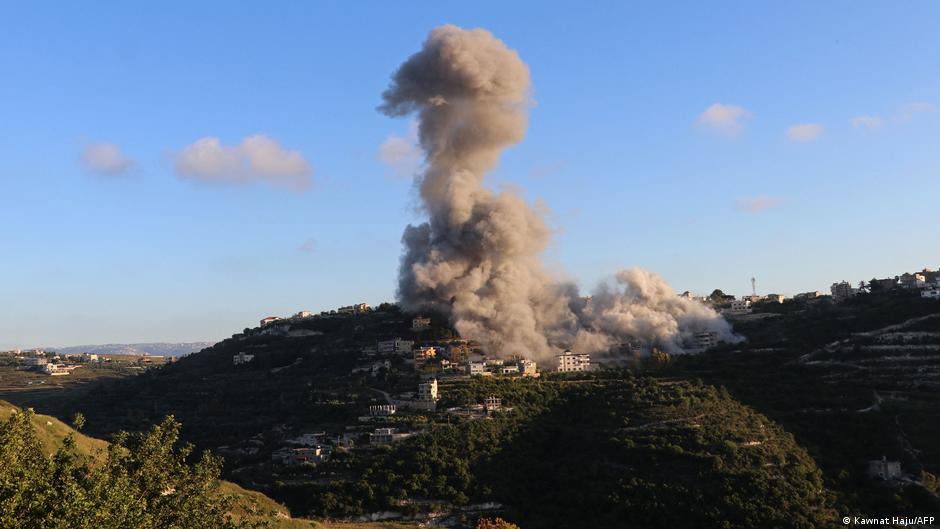
The intelligence report emphasizes that Israel intends to continue military operations against Hezbollah, the Lebanese Shiite militant group supported by Iran. Such actions contradict Tehran's demands for a cessation of hostilities as a precondition for further negotiations with Washington. Israel views the US-Iran memorandum of understanding as effectively ending the "maximum pressure" campaign on Tehran, thereby restricting Israel's ability to counter Hezbollah's influence.
"Israel's ongoing military efforts against Hezbollah reflect its strategic imperative to maintain regional security, despite the diplomatic commitments outlined in the US-Iran agreement."
Domestically, Netanyahu is preparing for parliamentary elections scheduled for autumn 2026. Public opinion plays a significant role, with a May survey from Israel's Institute for National Security Studies indicating that 70% of Jewish Israelis support intensified measures against Hezbollah. Any Israeli military withdrawal from southern Lebanon could be perceived as a political defeat for Netanyahu, adding to his motivations to oppose the deal.
Diplomatic Dynamics and Delayed Negotiations
According to reports from CNN, Netanyahu may apply political pressure on President Trump to derail the US-Iran agreement. The Israeli leader reportedly doubts the possibility of a final deal, citing Tehran’s reluctance to accept restrictions on its nuclear program. To influence public and political opinion, Netanyahu has engaged right-wing media, supportive US senators, and social media influencers to advocate his position.
Despite reports of a ceasefire agreement reached on June 19 between Israel and Hezbollah, sources indicate that the Israeli Defense Forces (IDF) will maintain a presence in southern Lebanon, complicating the stability of the ceasefire. Beirut has accused the IDF of violating the truce by conducting strikes after its commencement, though Israeli officials have not confirmed these claims.
The ceasefire is a crucial component of the memorandum signed between the US and Iran, which temporarily halted the conflict initiated by the US and Israel on February 28. The agreement initiates a 60-day negotiation period intended to culminate in a comprehensive peace accord.
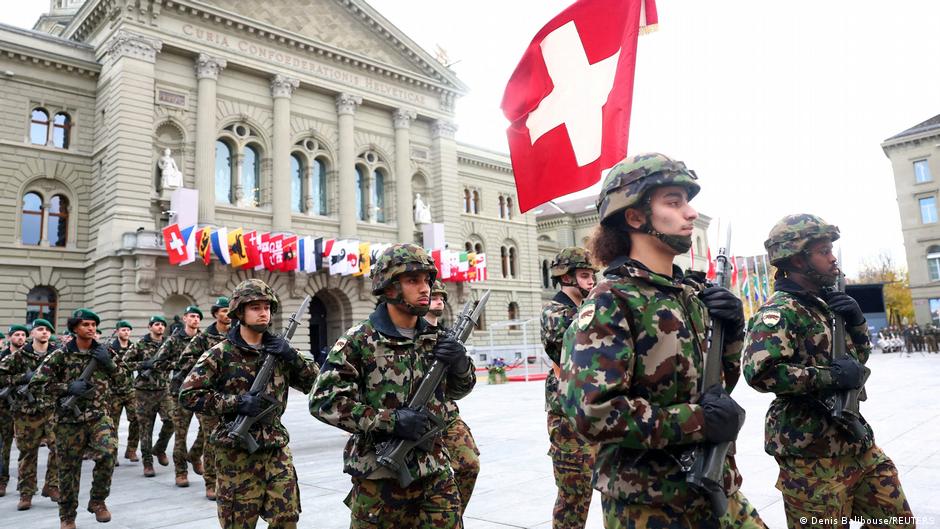
However, military tensions persisted following the memorandum, and scheduled negotiations between US and Iranian delegations in Switzerland on June 19 were postponed. Swiss officials had anticipated hosting representatives from both countries as well as mediators from Qatar and Pakistan. Iranian negotiators have stated that they expect demonstrable compliance with the memorandum from the US before resuming discussions.
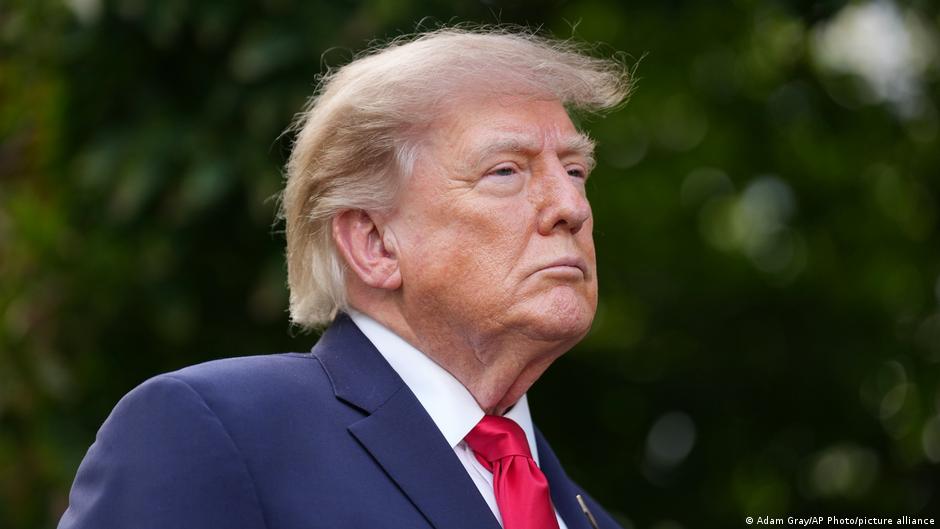
President Trump responded to the delay by reiterating a tough stance on Iran, tweeting that it was Iran, not the US, that was desperate to meet and warning that Iran would receive no financial concessions during the negotiation period.
Financial and Investor Implications
The potential disruption of the US-Iran agreement by Israel introduces uncertainty for investors monitoring Middle East stability and related geopolitical risks. A collapse or delay of the accord could result in sustained or escalated conflict, impacting energy markets and global trade flows. Moreover, defense-related stocks and companies involved in security sectors could see volatility tied to ongoing military operations and regional policy shifts.
For stakeholders in the geopolitical risk sphere, the evolving dynamics underscore the importance of closely watching diplomatic developments, parliamentary elections in Israel, and the responses from Tehran and Washington. The interplay between military actions and diplomatic negotiations will continue to influence market sentiment and investment strategies in the short to medium term.