US Military Fatalities in Conflict with Iran Rise to 17 Amid Escalating Regional Tensions
The US confirms the 17th military death and reports new strikes and reinforcements in the ongoing conflict with Iran.
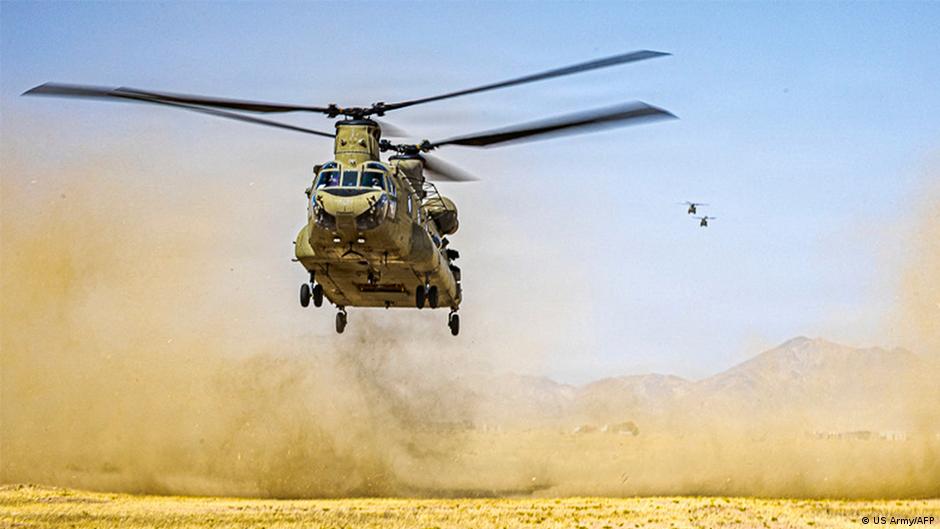
The US Department of Defense has confirmed the death of a 17th American service member in the ongoing conflict with Iran. The latest casualty occurred on July 18 during a controlled detonation of unexploded Iranian munitions in northern Iraq, according to the US Central Command (CENTCOM).
Alongside the fatality, another service member sustained minor injuries and is currently receiving medical treatment. This update raises the officially confirmed US military deaths in the conflict to 17.
Recent Events and Military Operations
Earlier reports from CENTCOM detailed the deaths of two US military personnel due to an Iranian rocket attack on a Jordanian airbase on July 17. Additionally, one soldier was initially listed as missing in action. Subsequent search efforts have recovered unidentified remains at the site, which US media sources suggest are likely those of the missing service member.
On July 18, US forces conducted new strikes against Iranian targets. CENTCOM characterized these operations as punitive measures against the Islamic Revolutionary Guard Corps (IRGC) in response to the earlier casualties in Jordan. The strikes also aimed to diminish Iran's ability to threaten commercial shipping lanes in the strategic Strait of Hormuz. Iran retaliated with attacks on two US military bases in Kuwait.
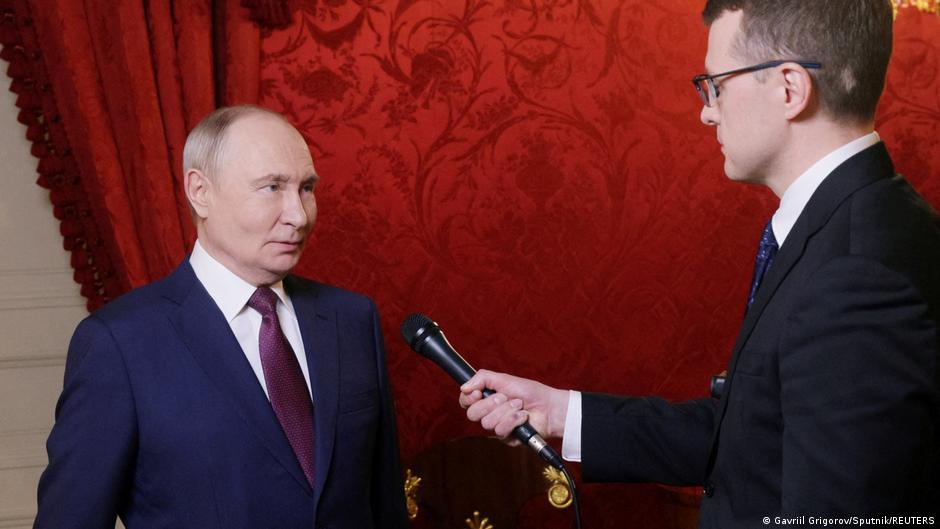
"The key objective remains unchanged – never allow Iran to acquire nuclear weapons," stated US President Donald Trump in a July 18 interview, referring to the recent military developments as a "sad event."
Strategic Military Buildup in the Middle East
According to reports from The Wall Street Journal and The New York Times, Washington is reinforcing its military presence in the Middle East amidst escalating tensions. Additional combat aircraft, including F-16 fighters from the Spangdahlem Air Base in Germany and F-35 fighters from RAF Lakenheath in the UK, are being deployed to the region. Tanker aircraft are also en route to support extended air operations.
This buildup reflects the US commitment to maintaining regional stability and protecting key maritime routes critical to global energy supplies and trade. The deployment of advanced aircraft enhances operational readiness and deterrence capacity against further Iranian provocations.
Financial and Investor Implications
The intensification of military conflict in the Middle East carries significant implications for global markets and investor sentiment. Heightened geopolitical risk typically drives volatility in energy prices, particularly oil, due to the region's pivotal role in global supply chains.
Defense contractors and military suppliers may face increased demand for equipment and services as the US expands its operational footprint. Conversely, prolonged conflict raises concerns about fiscal expenditures and budgetary impacts, potentially influencing government debt and defense spending allocations.
Investors monitoring the situation should consider the broader economic effects, including commodity price fluctuations, supply chain disruptions, and the potential for shifts in US fiscal policy in response to evolving military commitments.