US Military Reports Eleventh Consecutive Night of Strikes on Iranian Targets
CENTCOM confirms ongoing operations targeting Iranian military infrastructure amid rising regional tensions.
Continued Military Operations Impact Regional Stability and Security
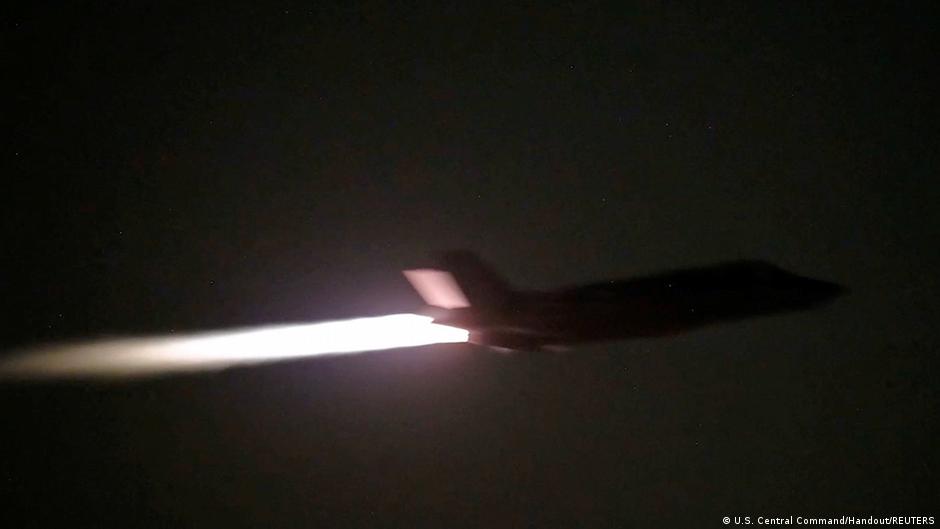
The United States Central Command (CENTCOM) announced a new wave of airstrikes targeting multiple Iranian military facilities, marking the eleventh consecutive night of such operations. These strikes, lasting approximately 75 minutes, were designed to degrade Iran’s capability to threaten commercial shipping in the strategic Strait of Hormuz.
According to CENTCOM, the attacks commenced at 7:00 PM Eastern Time on July 21, continuing into the early hours of July 22 Central European Time. The strikes targeted military operational centers, naval forces, aviation hangars, drone storage facilities, and logistical infrastructure.
"CENTCOM forces carried out their 11th consecutive night of strikes against Iranian military targets to further reduce Iran’s ability to threaten commercial navigation in the Strait of Hormuz," the command stated.
These operations come in response to an estimated 30 attacks on commercial vessels transiting the Strait over the past three months. While CENTCOM reports that the strait remains open, facilitating the transit of approximately 900 commercial ships and the transport of 450 million barrels of crude oil since May, data from the London Stock Exchange indicates significantly lower vessel traffic with only four ships passing through on July 19 and eight on July 18.
Escalating Hostilities and Regional Responses
On July 21, Iranian forces launched missile and drone attacks on Camp Arifjan in Kuwait, a base hosting US military personnel, as reported by defense analysts. Kuwaiti authorities claimed their air defense systems intercepted incoming missiles and drones.
The Islamic Revolutionary Guard Corps (IRGC) announced what it calls the "sixth wave" of its Nasr 2 military operation, targeting American military installations in Kuwait and Bahrain. Independent verification of the effectiveness of these Iranian claims is currently unavailable.
The escalation follows Iran’s missile and drone strikes in the Persian Gulf region on July 20, reportedly in retaliation for US strikes the previous night. Additionally, Iran declared the June framework ceasefire with the United States null and void as of July 18, ending a 60-day period intended to lead to a final peace agreement.
Impact on US Military Casualties and Political Stance
Since the renewed conflict began, CENTCOM has confirmed the deaths of three US service members, increasing the total US military fatalities related to the conflict with Iran since late February to 17.
In response, US President Donald Trump issued a stern warning via his social media platform, threatening significant retaliation against Iran for any further American casualties. He emphasized that each American death caused by Iran would be met with "multiple times" the response.
The ongoing military engagements have significant implications for investor confidence and regional economic stability, particularly concerning oil supply routes vital to global markets. The continued disruption of shipping lanes through the Strait of Hormuz poses risks to global oil prices and energy security.