US Military Strikes Iran Amid Rising Tensions; Strait of Hormuz Closure Raises Global Trade Concerns
US forces resumed strikes on Iran prompting Tehran to close the Strait of Hormuz, escalating risks to regional stability and global energy markets.
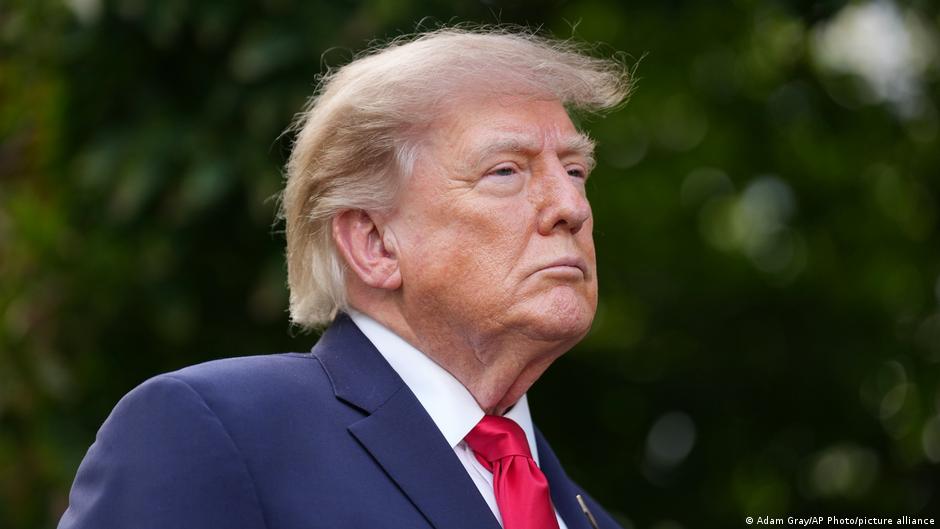
The United States military resumed targeted strikes on Iranian positions on the evening of June 10, marking a significant escalation in tensions between Washington and Tehran. According to the US Central Command (CENTCOM), these operations were a direct response to what it termed "unjustified and ongoing Iranian aggression." The renewed offensive came shortly after US President Donald Trump announced fresh attacks on Iran, with Defense Secretary Pete Hegseth warning of further action if necessary.
Escalation of Hostilities and Regional Impact
The strikes commenced at 5:15 p.m. Eastern Time (11:15 p.m. Berlin time), targeting strategic locations within Iran. Iranian state media reported explosions near the cities of Minab and Sirik, with additional blasts heard near Bandar Abbas’ airport and military base, as well as in the port city of Gorgan along the Persian Gulf coast.
In retaliation, Iran launched attacks on American military bases in the Persian Gulf region and Jordan, employing ballistic missiles. Kuwait's air defense forces were activated, while Bahrain sounded air raid sirens, underscoring the heightened state of alert across the Gulf. These developments signal an increasingly precarious security environment in a region critical to global energy supplies.
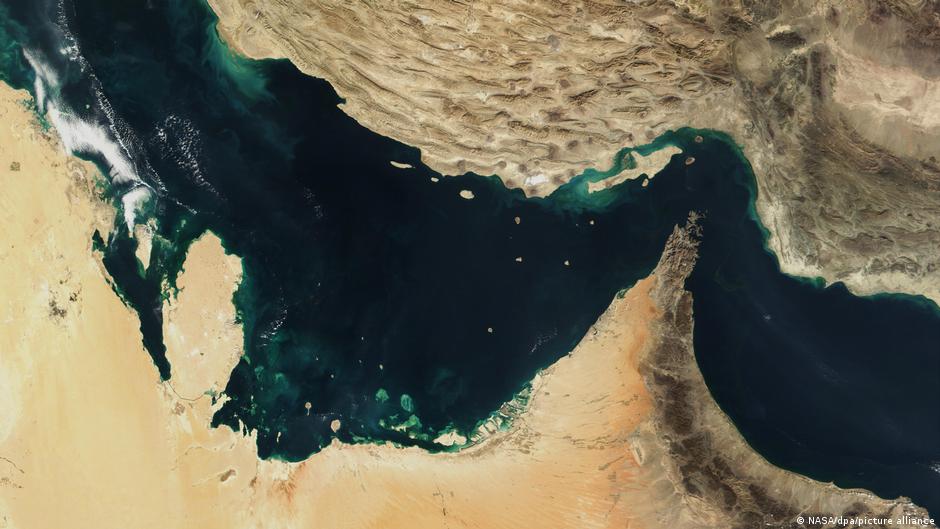
"Any vessel attempting to transit the Strait of Hormuz will be targeted," said the Iranian military command, announcing a complete closure of the strategic waterway following US strikes.
Most notably, Iran’s armed forces declared a full closure of the Strait of Hormuz, one of the world’s most vital maritime chokepoints for oil shipments. The Iranian military justified the closure by citing a "changed security situation" after the US attacks and warned that any ship trying to pass through the strait would face military action. Iranian state television later confirmed that Iranian forces had opened fire on two vessels in the area.
However, CENTCOM denied reports of a full closure, stating that commercial shipping continued to move in and out of the Strait of Hormuz without interruption. This conflicting information adds uncertainty for investors and companies reliant on the steady flow of crude oil through the region.
Financial and Market Implications
The renewed military confrontations and Iran's closure of the Strait of Hormuz pose significant risks to the global energy market and the financial outlook for companies in the petroleum sector. Approximately 20% of the world’s seaborne oil passes through this narrow strait, and any disruption could lead to sharp increases in oil prices and heightened volatility in energy stocks.
For investors, the situation demands close monitoring of geopolitical risks impacting corporate earnings and supply chains, particularly for firms with exposure to Middle Eastern oil or those involved in energy infrastructure and shipping. Market analysts anticipate that ongoing instabilities could pressure the balance sheets of companies reliant on uninterrupted oil flow while potentially increasing costs due to supply constraints and insurance premiums.
Additionally, defense contractors and companies serving the military sector may experience shifts in demand and revenue linked to heightened military activities in the region.
In summary, the latest military actions between the United States and Iran, along with Tehran’s strategic blockade of the Strait of Hormuz, represent a critical juncture with far-reaching financial consequences. Stakeholders are advised to assess the evolving geopolitical landscape carefully as it continues to influence global energy security and market dynamics.