US Military Strikes Iran Following Downing of Apache Helicopter Amid Heightened Tensions
US forces conducted targeted strikes on Iranian air defense and radar systems after Tehran downed an American Apache helicopter near the Strait of Hormuz.
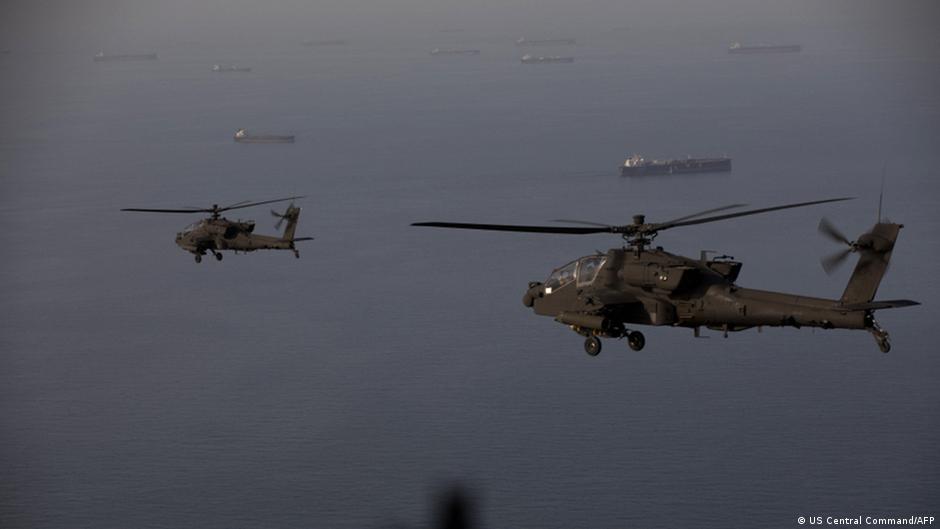
On June 9, 2024, the United States military resumed airstrikes against Iranian targets in response to the downing of an American Apache attack helicopter over the Strait of Hormuz. The US Central Command (CENTCOM) described the operation as a "proportionate response to unprovoked Iranian aggression," targeting multiple air defense and radar installations near the strategic waterway.
Military Engagement and Strategic Implications
The incident began when the US Apache helicopter, conducting patrols in the sensitive Hormuz region, was reportedly struck after colliding with an Iranian drone. While the precise circumstances of the collision remain unclear, the loss of the helicopter prompted immediate retaliatory strikes. Both crew members survived and were reported safe.
According to CENTCOM, the strikes focused on Iranian air defense systems and command centers, aiming to degrade Tehran's capacity to threaten maritime navigation and US assets in the region. Iranian state media confirmed explosions on the southern coast, including the cities of Sirik and Minab, as well as on Qeshm Island, signaling the impact of the US attacks.
"Our powerful armed forces will not leave any attack or threat unanswered," warned Iranian Foreign Minister Abbas Araghchi, emphasizing Tehran’s readiness to retaliate further and urging US forces to withdraw from the region.
Following the US strikes, Iran's Islamic Revolutionary Guard Corps (IRGC) announced it launched missile and drone attacks against US positions in the vicinity, escalating the conflict further. CENTCOM later declared the cessation of the operation after accomplishing its objectives.
Geopolitical and Financial Context
The military escalation occurs amid heightened geopolitical tensions between the US, Iran, and allied regional actors. This volatile backdrop has implications for global energy markets, particularly oil prices, given the strategic importance of the Strait of Hormuz as a critical chokepoint for oil shipments worldwide.
Investor confidence in the energy sector may see increased volatility as the risk of prolonged conflict threatens supply stability. Additionally, defense contractors and military suppliers could experience shifts in stock valuations due to escalating demand for military hardware and support services.
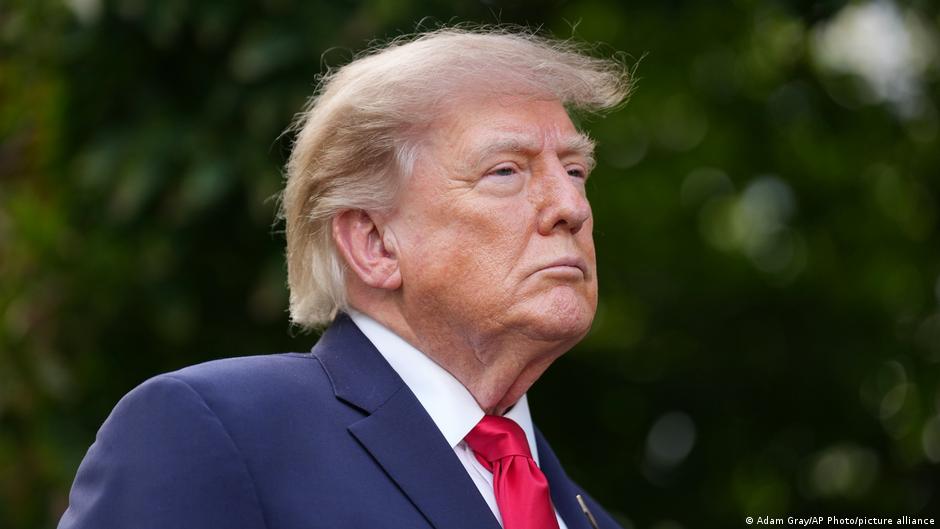
President Donald Trump, in an ABC News interview, underscored the necessity of a strong response, signaling sustained US commitment to maintaining regional security. At the same time, he expressed optimism about ongoing diplomatic efforts, mentioning that a potential peace deal with Iran was "within reach" and could be finalized within days.
The juxtaposition of military engagement with prospective diplomatic breakthroughs presents a complex scenario for investors and policymakers monitoring the region. Market participants should closely track developments in US-Iran relations as they weigh the risks of continued instability against opportunities arising from potential de-escalation.
Conclusion
The latest US military strikes against Iran reflect an immediate tactical response to the loss of critical military assets and underscore the fragile nature of regional security. As Iran vows retaliation and tensions escalate, financial markets—particularly those linked to defense and energy sectors—face heightened uncertainty. Stakeholders must remain vigilant toward rapid geopolitical shifts that could materially impact global economic and investment landscapes.