EU Summons Russian Envoy Over Strikes on Ukrainian Military Exhibition and Diplomatic Sites
EU condemns Russia’s missile attacks targeting Ukrainian private military exhibition and Latvian consulate, signaling potential expansion of sanctions.
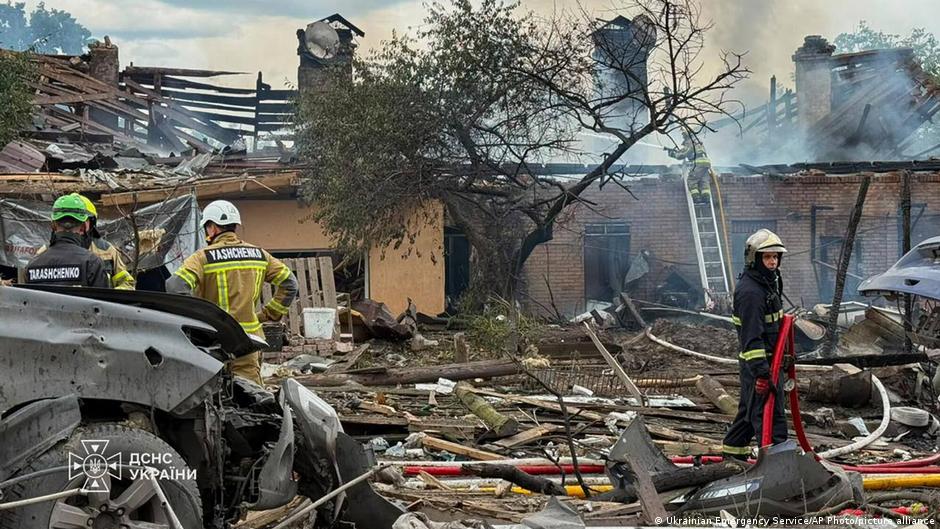
The European Union has decided to summon the Russian permanent representative to the EU following a series of missile strikes by Russian forces in Ukraine, including attacks on a private military exhibition and a diplomatic consulate. The move underscores escalating tensions and may lead to broader economic sanctions targeting Russia's military-industrial complex.
Impact of the Strikes and EU Response
On July 24, Russian troops launched ballistic missile strikes using Zircon missiles against multiple targets in Kyiv Oblast. Among these was a private military exhibition in Bucha district featuring drone technology demonstrations. The attack resulted in the deaths of ten individuals and injuries to approximately 100 others. Ukrainian authorities are investigating potential lapses in event organization following the incident.
Additionally, one of the strikes hit the honorary consulate of Latvia in Sloviansk, which the European Union’s High Representative for Foreign Affairs and Security Policy, Kaja Kallas, described as a blatant violation of international law. Kallas condemned the "indiscriminate" nature of the strikes, characterizing them as part of Russia’s deliberate military policy targeting civilian and diplomatic sites.
"In response, we will summon the Russian representative to the EU and propose expanding the list of sanctions to include additional enterprises and structures of the Russian military-industrial complex," Kallas stated on social media.
The European External Action Service (EEAS) plans to formally present a diplomatic protest note to the Russian mission to the EU, emphasizing the unacceptable escalation and civilian toll of these attacks.
Military-Industrial Implications and Ukrainian Defense Strategy
The Russian Ministry of Defense confirmed the strike on the Bucha private military site, claiming the presence of leading developers and commanders involved with Ukrainian drone forces and intelligence agencies. This suggests the target was directly linked to Ukraine's unmanned aerial vehicle (UAV) capabilities.
Ukrainian President Volodymyr Zelensky, in an interview published the same day, revealed ambitious plans to advance Ukraine's drone technology. By 2027, Ukraine aims to produce drones capable of striking targets up to 10,000 kilometers away, significantly extending its strategic reach.
Currently, Ukraine operates drones with a 3,000-kilometer range, comparable to similar systems employed by Russia. Zelensky emphasized the importance of domestic drone manufacturing in partnership with the United States, including establishing a production facility within Ukraine to sustain continuous operational replenishment.
"Drones cannot simply lie idle in warehouses like artillery or missiles; they are replaced every three to six months on the battlefield," Zelensky explained, highlighting the dynamic nature of UAV deployment in modern warfare.
Moreover, the Ukrainian government has tasked its armed forces with creating a specialized command focused on long-range drone strikes against Russian rear positions. This initiative reflects Kyiv’s strategic pivot to leveraging UAV technology as a force multiplier and a means to increase pressure on Moscow's war-sustaining capabilities.
Financial and Strategic Repercussions
The EU’s threat to broaden sanctions could further disrupt Russian defense supply chains and affect key enterprises within its military-industrial sector. For investors and market analysts, these developments signal increased geopolitical risks impacting defense stocks and associated industries.
Meanwhile, Ukraine's push to develop indigenous drone production capabilities, with U.S. support, may attract foreign investment into its defense manufacturing sector, potentially reshaping regional defense economics and supply networks in the medium term.