US Military Strikes Iran for Tenth Consecutive Day Amid Regional Escalation
CENTCOM reports continued US airstrikes targeting Iranian military infrastructure amid rising tensions and retaliatory attacks.
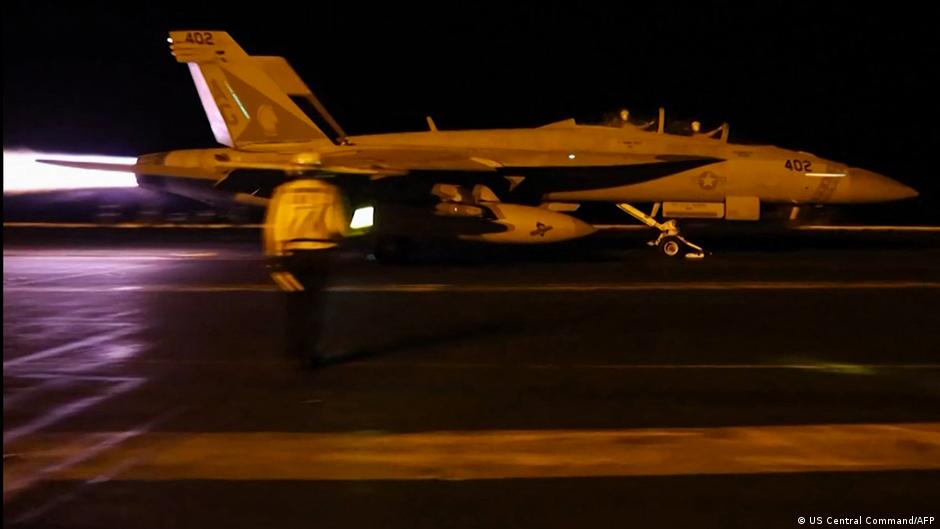
The United States Armed Forces have conducted a sustained campaign of airstrikes against Iranian targets, marking the tenth consecutive day of military operations as tensions escalate in the Persian Gulf region. According to a statement released on July 20 by the US Central Command (CENTCOM), the latest wave of attacks commenced at 16:00 Eastern Time (22:00 Central European Time) and focused on neutralizing Iran’s air defense systems and missile and drone launch sites.
Targets and Strategic Objectives
CENTCOM characterized the strikes as efforts to further degrade Iran's military capabilities, particularly those used to threaten civilian shipping vessels in the strategic Strait of Hormuz. The air operations targeted Iranian command centers, missile and unmanned aerial vehicle (UAV) launch platforms, and air defense installations. These actions follow a series of retaliatory attacks by Iran on countries hosting US military bases earlier this month.
“These strikes are intended to further weaken Iran’s military potential used in attacks on civilian shipping vessels in the Strait of Hormuz,” CENTCOM indicated.
In response to the US assaults, Iran launched missile and drone attacks on July 20 against regional targets near the Persian Gulf. Kuwait and Jordan reported being struck by these Iranian attacks, illustrating the widening geographic scope of the conflict. On July 18, Tehran officially annulled a framework ceasefire agreement with Washington, which had been brokered in June and intended to lead to a final peace deal within 60 days.
Political and Military Implications
US President Donald Trump issued stern warnings hours prior to the July 20 strikes, threatening "multiple" retaliations in the event of further American military casualties. Writing on his social platform Truth Social, he emphasized that any US soldier killed by Iran would prompt a disproportionate response, a directive communicated to Defense Secretary Pete Hegseth.
Returning from the FIFA World Cup final, President Trump underscored the US strikes as tribute to fallen soldiers, describing the recent air attacks as "very serious" responses to the deaths of American military personnel in the ongoing conflict. Since the beginning of the renewed hostilities in late February, CENTCOM confirmed the death toll of US troops has reached 17.
The Iranian Revolutionary Guard Corps (IRGC) announced on the night of July 20 that it had detained two oil tankers near the Strait of Hormuz for allegedly attempting unauthorized passage through the southern maritime route. Iran’s state news agency Tasnim reported that the vessels subsequently exploded, though details remain sparse.
Impact on Regional Maritime Traffic and Economy
Shipping activity through the Strait of Hormuz has significantly decreased amid the ongoing conflict. Data from the London Stock Exchange shows that on July 19, only four vessels transited the strait compared to eight vessels on July 18, reflecting heightened risk and uncertainty for maritime trade routes critical for global energy supplies.
These developments signal potential disruptions in the global oil market and heightened volatility in financial metrics tied to energy security. Investors and stakeholders are advised to monitor further geopolitical developments and their impact on regional stability and commodity prices.