US Special Envoy Whitcoff Travels to Switzerland for Iran Nuclear Deal Talks Amid Delays
Negotiations between the US and Iran postponed amid regional conflicts as Washington seeks agreement on a ceasefire and economic terms.
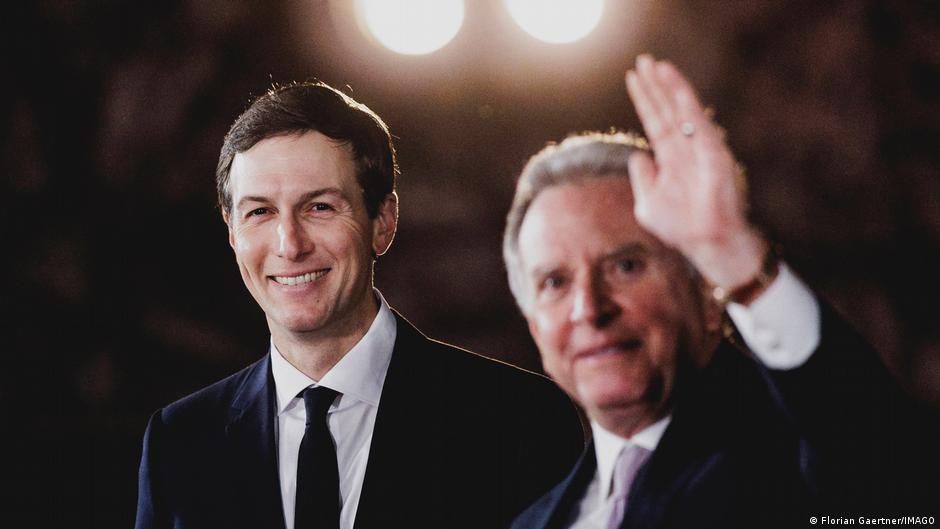
US Special Envoy Stephen Whitcoff has departed for Switzerland to engage in negotiations with Iranian representatives concerning the nuclear deal, according to reports from Axios. Originally scheduled for June 19, the talks were postponed due to ongoing hostilities in Lebanon and have yet to be rescheduled.
Context and Key Participants
The first round of talks involves senior representatives from both countries, with Jared Kushner, son-in-law to former US President Donald Trump, already present in Switzerland. The meeting aims to revive the stalled nuclear agreement by addressing critical security and economic issues.
Adding to the diplomatic efforts, Qatar’s Prime Minister Sheikh Mohammed bin Abdulrahman Al Thani, a principal mediator between Washington and Tehran, arrived in Switzerland on June 19. Iranian Foreign Minister Abbas Araghchi was expected to arrive on June 20, although these plans remain tentative.
According to sources, Araghchi emphasized to other mediators the "critical importance" of a ceasefire in Lebanon for Iran’s participation. Iran insists on a sustainable truce in the region before formal negotiations can proceed, complicating the timing of the talks.
"Iran requires a durable ceasefire in Lebanon prior to commencing dialogue," a source familiar with the negotiations said.
Negotiation Stakes and Challenges
The negotiations were intended to result in a memorandum of understanding, which would initiate a 60-day period of detailed talks to finalize a peace agreement. A key component of the memorandum involves cessation of hostilities along all conflict lines, including Lebanon.
However, active conflict between Israel and the Iranian-backed Lebanese Shiite movement Hezbollah in southern Lebanon caused the June 19 talks to be postponed despite an initial remote signing of the document on June 17. Media outlets reported that a ceasefire was agreed upon on June 19, potentially paving the way for renewed talks.
The US Vice President, David James Vance, declined to attend the Swiss meeting, and it remains uncertain if he will arrive during the weekend.
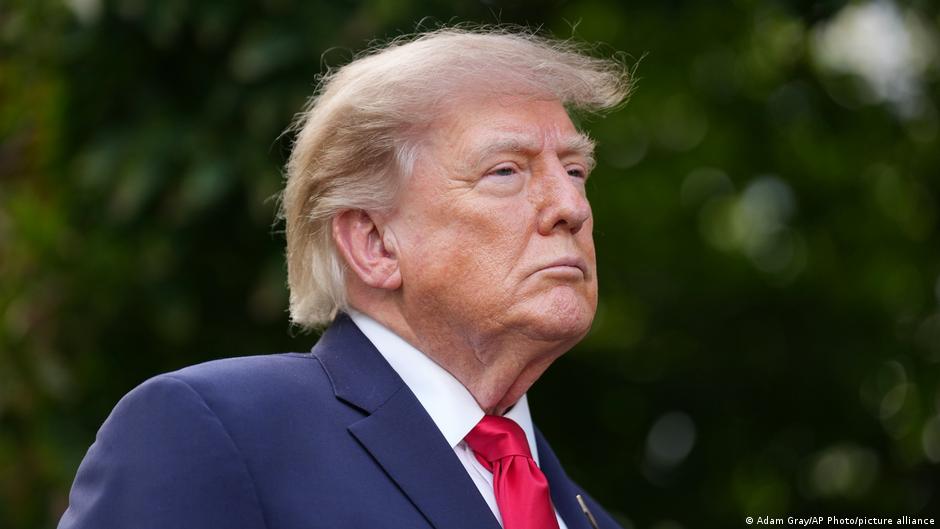
President Trump publicly blamed Iran for delaying the talks, asserting on June 19 that "they will not receive even ten cents," referring to economic aid provisions. The memorandum reportedly includes commitments to allocate $300 billion from a private investment fund for Iran’s reconstruction and the unblocking of $24 billion in Iranian assets.
These financial terms remain contentious, highlighting the delicate balance between diplomatic progress and economic incentives. Investors and market analysts are closely watching developments, as the outcome could affect regional stability and energy markets.
As negotiations continue to evolve, stakeholders emphasize the importance of coordinated international mediation and adherence to agreed ceasefire terms to advance the dialogue.