Uzbek Government Accelerates Privatization and Financial Restructuring of Asakabank
Presidential decree mandates operational refocus and capital infusion to streamline Asakabank ahead of planned privatization by 2025.
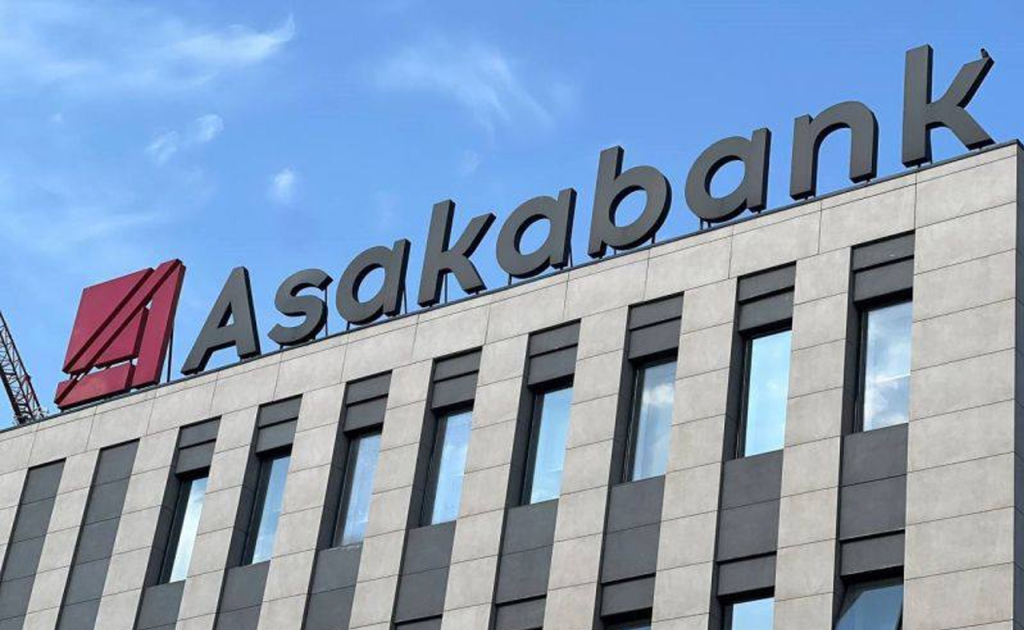
The Uzbek government has issued a presidential decree aimed at accelerating the privatization of Asakabank, one of the country's largest state-owned financial institutions. The decree emphasizes refocusing the bank's core operations and implementing financial restructuring measures to enhance its market readiness.
Operational Streamlining and Asset Reallocation
According to the decree enacted on April 20, 2026, Asakabank will cease all non-core and ancillary activities. This move is designed to align the bank’s operations with market-based commercial principles, modern banking practices, and robust risk management frameworks. The bank's activities will be strictly governed by its internal policies in compliance with these standards.
As part of this operational streamlining, Asakabank will transfer ownership of certain non-banking assets to the State Assets Management Agency. These assets include the former "Tashkent Agricultural Machinery Plant" property complex and a portfolio of investment projects valued at approximately 382.6 billion Uzbek soums. Notable among these projects are enterprises such as "Green Energy," "Uz CLAAS Agro," and "Khorezm Invest Project," all designated for transfer with conditions tied to future privatization proceeds, which will serve as compensation to the bank.
In addition, pharmaceutical start-ups "Asaka Farm Ventures" and "Asaka Farm Invest," with a combined budget of 780 billion soums, will be moved under the national venture fund UzVC. These startups will receive state budget support, reflecting a strategic decision to foster innovation within the healthcare sector while removing these financial commitments from the bank’s balance sheet.
Capital Infusion and Financial Health Measures
The government will inject a capital contribution of $95 million into Asakabank in 2026 to support its financial rehabilitation. Moreover, potential losses from non-performing loans will be covered by state resources to stabilize the bank’s balance sheet. Dividend payments for 2024 and 2025 will be suspended, with net profits retained for reinvestment, reinforcing the bank’s capitalization and growth prospects.
"The bank’s nominal share value will be adjusted to market levels by converting the government’s outstanding claims, valued at nearly 1.98 trillion soums, into authorized capital," the decree states.
This capitalization move involves absorbing the government’s loans to the bank into its equity base, thereby strengthening its financial position ahead of privatization.
Privatization Timeline and Market Implications
Asakabank’s privatization deadline has shifted from the end of 2023 to the end of 2025, reflecting broader strategic adjustments in Uzbekistan’s banking sector. Earlier efforts to privatize other state banks, including O‘zsanoatqurilishbank and Aloqabank, have experienced similar postponements.
In May 2024, a landmark agreement was signed between the Uzbek government and the European Bank for Reconstruction and Development (EBRD), marking the latter’s acquisition of a 15% stake in Asakabank as part of privatization preparations. The EBRD’s involvement is expected to enhance corporate governance and attract foreign investment.
Fiscal strategies published by the Ministry of Economy and Finance indicate that while some state banks will remain under government ownership through 2028, a phased approach to privatization will continue. Notably, the government plans to maintain stakes in banks such as the National Bank, Agrobank, and the Microcredit Bank, with potential divestments extending to 2030.
The restructuring and privatization efforts aim to improve the operational efficiency and financial sustainability of Asakabank, positioning it to better serve Uzbekistan’s growing economy and to attract private investors.