Belarus Orders Underperforming Agricultural Workers into Military Service Amid Harvest Challenges
President Lukashenko mandates military assignments for undisciplined farm workers to enforce labor discipline during critical harvest period.
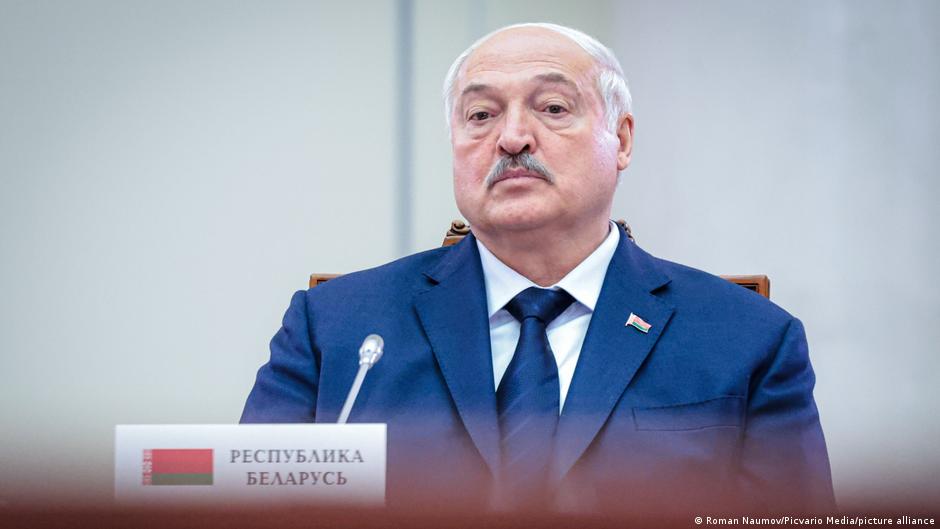
Belarusian President Alexander Lukashenko has issued a directive to assign underperforming agricultural workers to military service as part of efforts to enforce discipline and improve productivity during the nation's vital harvest season.
Military Service as a Measure Against Labor Indiscipline
On July 21, President Lukashenko announced that agricultural workers failing to meet labor expectations during the harvest would be sent to the army, specifying deployment to units along the southern border and forested areas. The rationale behind this order is to address labor shortages and improve workforce discipline, rather than to increase the size of the armed forces.
"If you do not want to work in this job, we will test you on another—normal masculine and feminine work—in the army," Lukashenko stated during a working visit to the Brest region on July 30. He emphasized that this measure is not intended as mistreatment but rather as an opportunity for individuals to demonstrate their capabilities in a different, demanding environment.
The head of the presidential administration, Dmitry Krutoy, clarified on July 22 that these military assignments would last two to three months. He described the harvest operation as conducted under the "strictest mobilization regime," with the Ministry of Defense tasked to receive workers considered negligent, including those labeled as shirkers, drunkards, and lazy individuals.
Krutoy further indicated that service conditions would be "Spartan," providing an opportunity for these workers to improve their physical fitness and correct previous shortcomings through productive labor benefiting the army.
Implications for Agricultural Sector and Labor Efficiency
Belarus's agricultural sector plays a critical role in the national economy, especially during harvest periods which demand peak labor efficiency. The president's move to integrate underperforming workers into military roles signals an atypical approach to managing workforce issues. It reflects a broader governmental emphasis on discipline and productivity, aiming to mitigate risks of labor shortages and inefficiencies that could jeopardize agricultural output.
From a financial perspective, ensuring a disciplined workforce during the harvest season is essential to protecting agricultural yields, which directly affect Belarus's food supply and export revenues. The military assignment strategy, though unconventional, highlights the government's prioritization of operational control over the agricultural labor market.
This measure also has implications for investor relations and economic stability. By enforcing strict labor discipline, the government seeks to reassure stakeholders of its commitment to maintaining productivity and safeguarding the agrarian sector's contribution to GDP.
However, this policy raises questions regarding labor rights and workforce morale, which could influence longer-term labor market dynamics and operational costs within agriculture.
Overall, Belarus's blending of military service with agricultural labor management during a critical economic period underscores the government's approach to balancing labor discipline with national economic objectives.