Bulgaria to Veto New EU Sanctions Against Russia Citing Economic Risks
Bulgarian PM Rumen Radev announces veto on EU sanctions over concerns for national economy and opposition to measures targeting Patriarch Kirill.
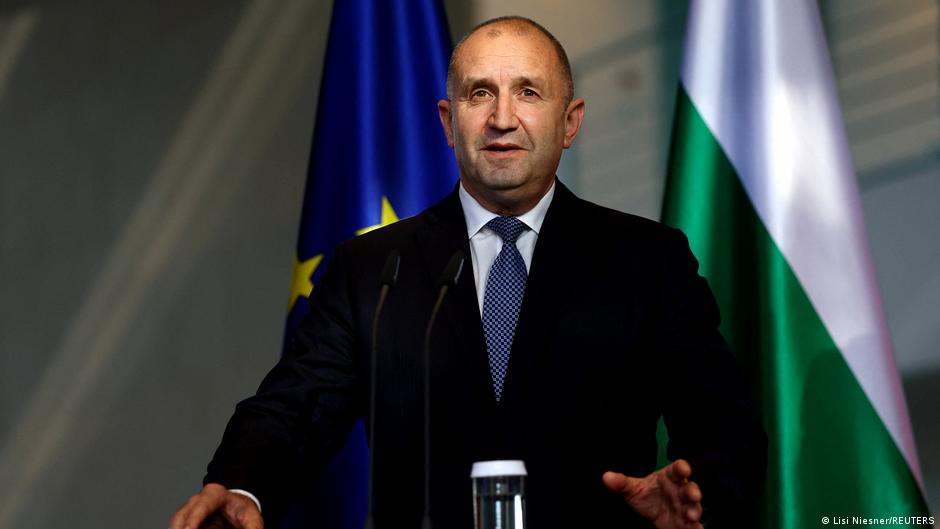
In a significant development within the European Union's ongoing sanctions regime against Russia, Bulgarian Prime Minister Rumen Radev declared on June 18 that Sofia will veto the new package of EU sanctions. This decision stems from concerns over potential adverse economic impacts on Bulgaria and objections to proposed restrictions targeting key Russian Orthodox Church figures.
Economic Concerns Behind Bulgaria’s Veto
According to Prime Minister Radev, the new sanctions could negatively affect Bulgaria’s economy, particularly highlighting risks to the operations of Lukoil’s assets in the country. He emphasized a desire to have Lukoil removed from the EU's sanction lists. Lukoil is a major player in Bulgaria’s energy market, operating the sole oil refinery in Burgas and serving as one of the largest fuel retailers nationwide.
“There is a significant risk to Lukoil's operations. We want the company removed from the sanctions list,” Radev said prior to the EU meeting in Brussels.
Radev also expressed apprehension about disruptions in the supply of spare parts critical to Sofia’s metro system and in agricultural fertilizers, both vital for Bulgaria’s infrastructure and food production. He questioned the effectiveness of sanctions in halting the conflict in Ukraine or contributing to peace efforts, calling for these issues to be thoroughly reviewed within EU decision-making bodies.
Sanctions Context and Broader EU Measures
The EU expanded its sanctions on Russia on June 15, imposing restrictions on 34 individuals and 47 entities. These include companies involved in the military-industrial complex and those facilitating Russian oil exports, including via so-called "shadow fleets." Notably, entities like Lukoil-West Siberia and firms based in Russia, Liberia, Turkey, the UAE, Azerbaijan, and Hong Kong were added to the blacklist.
The sanctions also targeted prominent figures linked to Russian state media and the Orthodox Church, including Anatoly Kuzichev, host of the "Vremya Pokazhet" program on Channel One Russia, and Metropolitan Tikhon of Simferopol and Crimea, known as a spiritual advisor to President Vladimir Putin.
Investor Relations and Market Implications
Bulgaria’s veto poses notable challenges for investor confidence and market stability, particularly in sectors dependent on Russian energy supplies and related industries. Lukoil's exclusion from sanctions would safeguard its Bulgarian refinery operations and supply chains, but diverging positions within the EU could complicate the unified application of restrictive measures.
Moreover, concerns about infrastructure disruptions such as the metro system and fertilizer availability underline the broader economic sensitivity to geopolitical decisions, highlighting risks to Bulgaria's balance sheets and industrial output.
Despite the veto, Radev affirmed his government’s support for Ukraine’s EU accession negotiations, indicating a nuanced stance balancing national economic interests with broader EU political objectives.