China Shows Interest in U.S. Oil and Soybean Purchases Amid Trade Talks
Following high-level talks, China signals potential increase in imports of U.S. crude oil and soybeans, impacting trade and commodity markets.
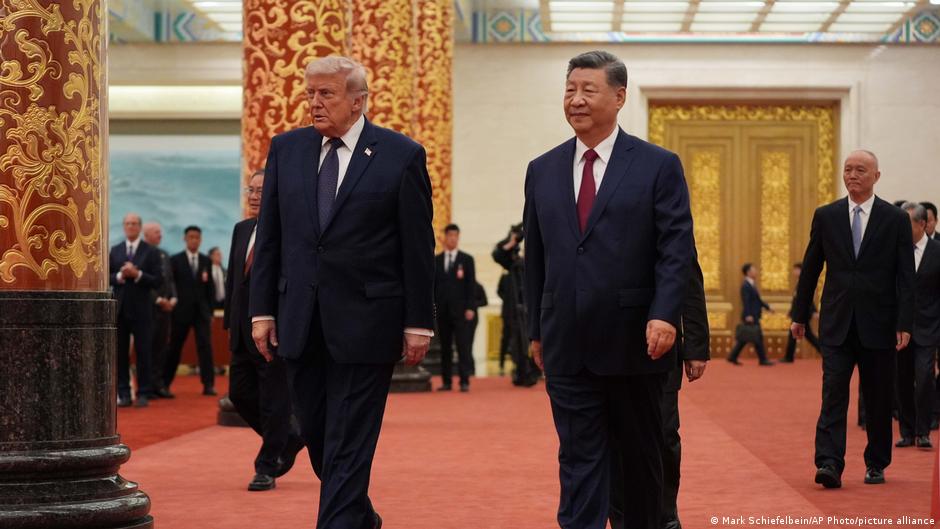
In a recent development with significant implications for U.S.-China trade relations, former President Donald Trump announced that China has expressed interest in purchasing American crude oil and soybeans. This statement came after his meeting with Chinese President Xi Jinping in Beijing, highlighting potential shifts in bilateral trade flows.
Potential Market Impact from Renewed Chinese Demand
China, traditionally the largest overseas buyer of Iranian oil, has historically imported limited volumes of U.S. crude. Prior to the onset of the trade tensions initiated by the Trump administration in 2018, China engaged in modest purchases of American oil. However, during the trade war, China sharply reduced its procurement of U.S. soybeans, favoring Brazilian suppliers instead.
"China has indicated a desire to increase imports of U.S. oil and soybeans," Trump stated, underscoring possible market realignments.
This renewed interest could stimulate U.S. agricultural and energy sectors, potentially boosting export revenues and impacting commodity price dynamics. The soybean sector, in particular, could benefit from increased Chinese demand, reversing years of diminished purchases that have pressured U.S. farmers.
Geopolitical and Strategic Considerations
Beyond trade, the discussions touched on geopolitical issues, including China’s potential influence over Iran. Trump suggested that President Xi could play a role in mediating tensions in the Persian Gulf region, particularly concerning U.S. and Israeli relations with Iran. According to Trump, Xi Jinping indicated China's willingness to assist in negotiations aimed at ending hostilities and restoring maritime navigation in the Strait of Hormuz.
Furthermore, Trump noted assurances from the Chinese leader promising not to supply arms to Iran, which could have ramifications for regional security dynamics and international arms control efforts.
Trump also expressed a firm stance on Iran, emphasizing the U.S. administration's intolerance for ongoing provocations and urging Tehran to reach a deal with Washington. He mentioned the accumulation of enriched uranium by Iran, suggesting disposal options but preferably seeking control over the material.
These discussions reflect a complex intertwining of trade negotiations with broader strategic security concerns, illustrating the multifaceted nature of U.S.-China interactions.
As China potentially increases its imports of U.S. commodities, investors and market analysts will be closely monitoring trade data, export earnings, and the impact on U.S. balance sheets. This development could signal a thawing of some trade barriers, thereby supporting revenue streams for U.S. producers in the energy and agricultural sectors.