Cyberattacks Disrupt Ukrainian and Russian Public Alert Applications
False radiation and nuclear warnings highlight cyber risk, service continuity and disclosure challenges for critical digital infrastructure.
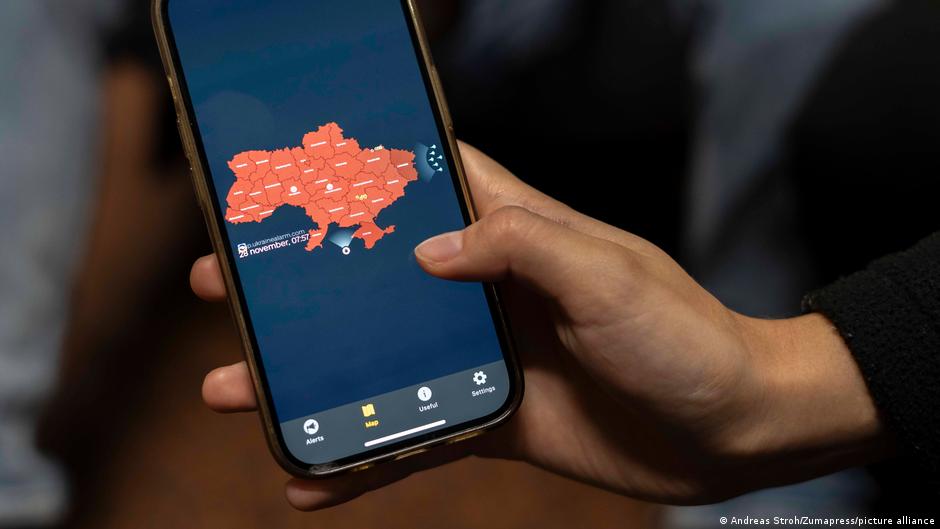
Government-backed public alert applications in Ukraine and Russia were disrupted by cyberattacks that caused users to receive false emergency messages, creating a fresh illustration of the operational and financial risks associated with critical digital infrastructure.
Ukraine’s official Air Raid Alert application, which is used to notify residents about threats, came under attack on the evening of Sunday, November 1. Users received fabricated warnings about radiation and chemical hazards, as well as notices claiming that street fighting threatened Kyiv.
Ukraine’s Air Force was the first authority to respond publicly to the incident. The military said the application had probably been subjected to “hostile interference” and stressed that there was no radiation threat. The State Emergency Service of Ukraine said the nationwide alert system continued to operate normally, with genuine threat notifications still being transmitted to regional administrations and outdoor warning systems.
Service suspension underscores continuity risk
The application’s developers later confirmed that the service had been compromised. They said unauthorized parties had interfered with the application’s operation, prompting the team to disable push notifications and temporarily suspend the service. Users were also advised not to follow links included in suspicious notifications.
“Today, unauthorized persons interfered with the operation of the application. We disabled push notifications and temporarily suspended the application,” the developers said.
During the night of November 2, the development team reported that the application was being restored gradually after the cyberattack. Users again began receiving air raid notifications, although some functions remained temporarily unavailable. The developers also said the application does not store users’ personal data and that additional cybersecurity safeguards were being introduced.
From a financial-reporting perspective, the incident demonstrates how a cyberattack can create material operational exposure even when a service does not hold personal data. Emergency applications depend on system availability, message integrity and public trust. A compromise may therefore generate costs linked to incident response, technical remediation, additional security controls, testing and communications, even where no direct financial loss has yet been disclosed.
The source information did not provide figures for remediation spending, service downtime, insurance coverage or other financial effects. It also did not identify private contractors that might bear part of the cost. Those omissions leave investors and other stakeholders without a basis for quantifying the immediate balance-sheet or earnings impact. Nevertheless, the temporary shutdown of push notifications and the continued unavailability of some functions indicate a measurable interruption to normal operations.
Russian ministry reports parallel attack
Russia’s Emergency Situations Ministry reported a cyberattack on its own mobile application at almost the same time. The ministry described the incident as a “massive cyberattack” that enabled attackers to distribute false information claiming that nuclear warheads had been launched toward Russia.
According to the Russian ministry, specialists were working to correct the vulnerability and restore the service to normal operation. No estimate was provided for the duration of the disruption, the number of users who received the fabricated warnings or the cost of the recovery effort.
The near-simultaneous incidents place attention on cyber controls surrounding state-operated communications platforms. For entities involved in developing, hosting or securing such systems, the relevant financial questions include whether existing technology budgets are sufficient, whether new capital or operating expenditure will be required, and whether contractual responsibilities allocate remediation costs among agencies and suppliers.
There was no disclosure of quarterly results, revenue exposure, provisions, asset impairments or liabilities connected with either attack. There was also no indication that the incidents affected the core nationwide alert infrastructure in Ukraine: authorities explicitly said that the national system remained operational and that threat signals continued to reach regional and street-level warning networks.
That distinction matters when assessing operational materiality. The Ukrainian incident affected a widely used mobile interface, but officials said alternative public-warning channels continued to function. The application’s statement that it does not retain personal data may also reduce certain privacy-related exposures, although it does not eliminate the costs of strengthening defenses or rebuilding confidence in the accuracy of notifications.
For future reporting, stakeholders are likely to focus on the scale of remediation expenditure, the time required to restore all functionality and any changes to cybersecurity investment. Clear disclosure would also help distinguish immediate incident-response costs from longer-term spending on infrastructure resilience. Neither Ukrainian nor Russian authorities provided such financial metrics in their initial statements.
The attacks ultimately show that the financial significance of a cyber incident is not limited to stolen data. For critical alert services, compromised communications can force shutdowns, require urgent technical work and expose weaknesses in continuity planning. The full financial consequences in both countries remain undisclosed as teams continue restoring services and introducing additional protections.